Jun.26,2026
Share
Roofs have an important role in every building. They help retain heat inside while protecting the structure from external weather conditions. However, beyond this protective function, most roofs are not actively generating value. For many homeowners and businesses, rooftop space remains underutilized. One of the most effective ways to make better use of this space is by installing a rooftop solar system. By generating clean and free electricity over decades, solar energy can become a long-term and cost-effective investment.
But how are PV panels actually attached to roofs? Does the roof type matter? Will installation cause any damage? And what happens if roof maintenance or replacement is needed after solar panels are installed? These are common concerns for system owners. In the following sections, we will explore how solar mounting systems work, how they interact with different roof types, and what you should consider before installing a rooftop solar solution.
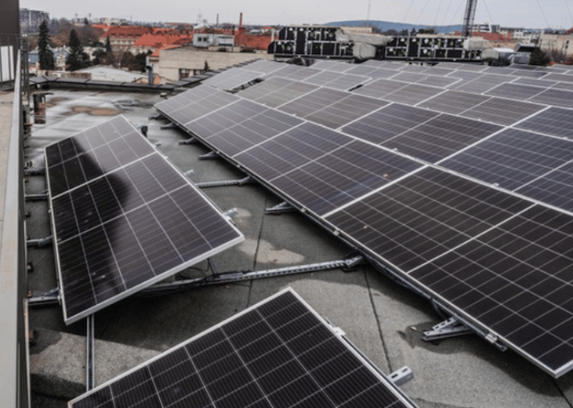
The solar industry has developed reliable mounting solutions for nearly all roof materials. Whether it is residential asphalt shingles or durable commercial metal roofing, there are proven systems available to securely install photovoltaic panels.
Solar panels are widely installed on asphalt shingle roofs across residential buildings. The most common method uses lag bolts combined with flashing.
The lag bolts are fixed directly into the roof rafters, providing a strong structural anchor for the mounting system and solar panels. To prevent water leakage, a waterproof flashing layer is installed underneath the shingles, ensuring a sealed and weather-resistant connection.
Standing seam metal roofs are ideal for solar installations due to their durability and long lifespan. One of their key advantages is that no roof penetration is required during installation.
A specialized U-clamp is attached directly to the raised seams of the roof. The solar panel mounting rails are then securely fixed to these clamps, creating a strong and non-invasive installation system that preserves roof integrity.
For corrugated or trapezoidal metal roofs, solar panels are installed using specially designed mounting brackets.
These brackets fit directly over the roof ribs and are secured using galvanized screws, typically the same type used in the original roof installation. This ensures a stable and weather-resistant connection between the roof structure and the solar mounting system.
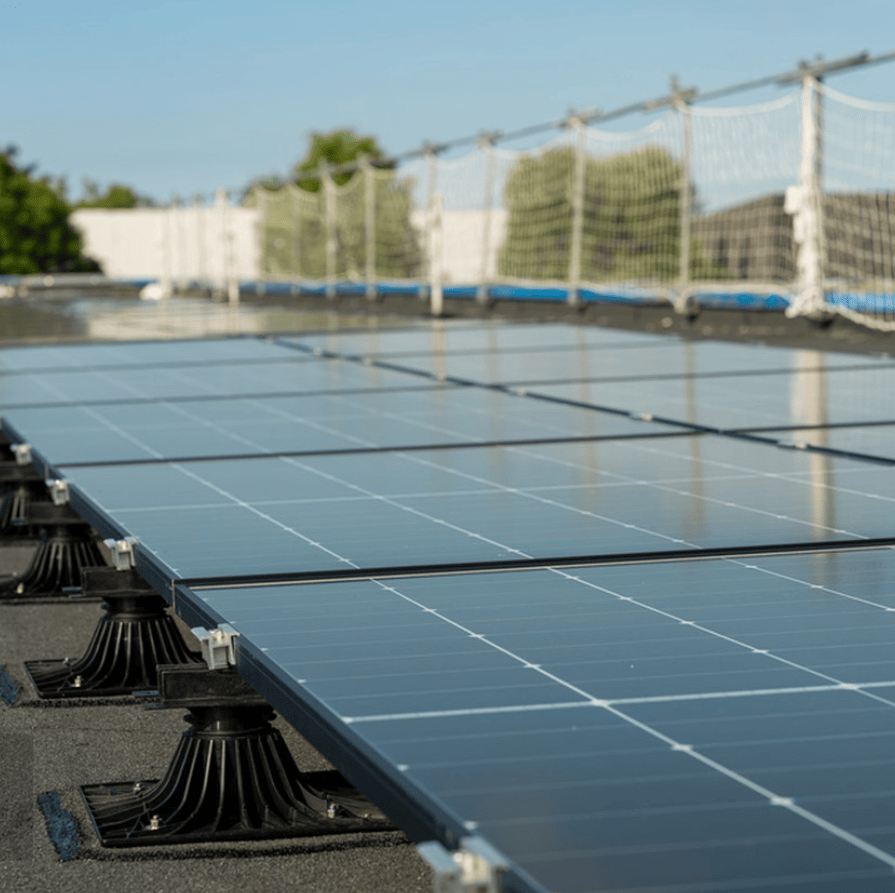
For flat roofing systems such as EPDM rubber or TPO membranes, solar panels can be installed without roof penetrations using ballast mounting systems.
In this design, solar panels and racking structures are held in place using weighted concrete blocks (cinder blocks). This method relies on gravity rather than roof attachment, helping preserve roof waterproofing.
An additional advantage of ballast systems is the ability to optimize panel tilt and orientation, improving energy production efficiency—something not always possible with fixed-angle roof-mounted systems.
Solar shingles have become increasingly popular as manufacturers continue to improve their design and availability. One of their biggest advantages is aesthetics—solar shingles closely resemble traditional roofing materials and can be nearly indistinguishable from standard roof tiles, offering a clean and integrated appearance.
However, in terms of cost-effectiveness, solar shingles are generally less economical than traditional solar panels. While homeowners in certain regions with high electricity rates may eventually recover their investment over time, solar panels currently provide a significantly better return on investment and lower upfront cost in most cases.
Solar panels are relatively lightweight, typically weighing around 2.5 to 2.7 pounds per square foot. In most installations, residential roofs are structurally capable of supporting this additional load without requiring reinforcement.
In fact, approximately 95% of roofs can safely accommodate solar panel systems without any structural upgrades. However, to ensure safety and compliance, a structural assessment is often performed by a third-party engineer. This evaluation confirms whether the roof can handle the additional load, and if necessary, reinforcement measures can be recommended for the remaining cases.
Many homeowners are concerned about roof penetrations when installing solar panels, and this concern is understandable. Except for systems such as standing seam metal roofs and some flat roof solutions, most rooftop solar installations require roof penetrations to securely mount the system.
However, when properly designed and installed, a solar mounting system should not cause roof leaks or structural damage. The solar industry has decades of experience in rooftop installations, and proven waterproofing methods—such as flashing, sealing layers, and proper fastening into rafters—are used to minimize any risk of water intrusion.
In many cases, solar panels can even help protect the roof. Once installed, they act as a protective layer that shields the roof surface from direct exposure to sunlight, rain, wind, and debris. This can reduce normal weathering and extend the lifespan of the underlying roofing materials by keeping them cooler and cleaner.
The most important factor in preventing roof damage is choosing a qualified and experienced solar installer. Professional installation ensures correct mounting techniques, proper sealing, and full compliance with both solar system and roof manufacturer warranty requirements.
If your roof needs to be replaced after solar panels have already been installed, the solar system will need to be temporarily removed and then reinstalled once the new roof is completed.
Before installation, a professional solar installer should always inspect the roof condition. If roof replacement is expected in the near future, it is generally recommended to complete the roofing work first before installing the solar system. This helps avoid additional labor and cost later.
Although roof replacement is not an ideal extra expense, it is part of long-term home maintenance. When removal and reinstallation of solar panels is required, the cost is typically lower than the original installation, but it is still best avoided when possible through proper planning.
Yes, properly installed solar panels are designed to remain secure under severe weather conditions. Solar mounting systems are engineered and tested according to local building code requirements, including wind load standards.
Most residential and commercial systems are designed to withstand wind speeds of approximately 90–120 mph, depending on regional regulations and installation specifications. These standards ensure that solar installations remain stable during strong winds, storms, and other extreme weather events.
All solar systems must comply with local building codes, which are based on regional climate conditions. These codes define the minimum structural requirements for wind resistance and safety performance.
Working with an experienced and reputable solar installation company is essential to ensure the system is correctly designed, properly installed, and fully compliant with safety standards. A professionally installed system can operate safely and efficiently for 30 years or more while delivering long-term energy savings.
Hot Products
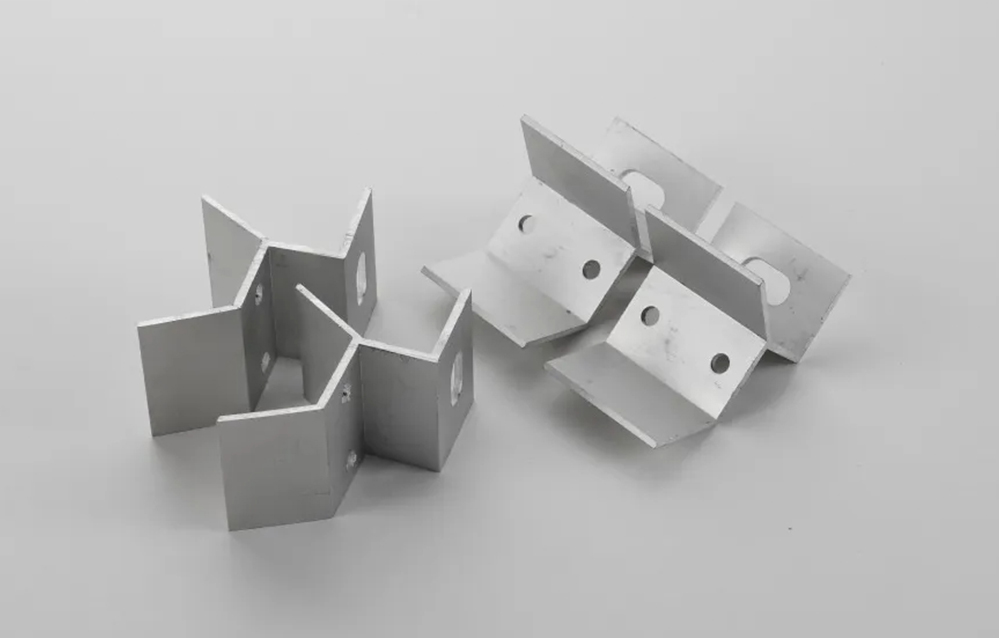
High Quality Metal Fabrication Clamps Solid Integral Stainless Steel Integrated Clamp A
Usage: Heavy Duty Clamp, Pipe Clamp, Glass Clamp
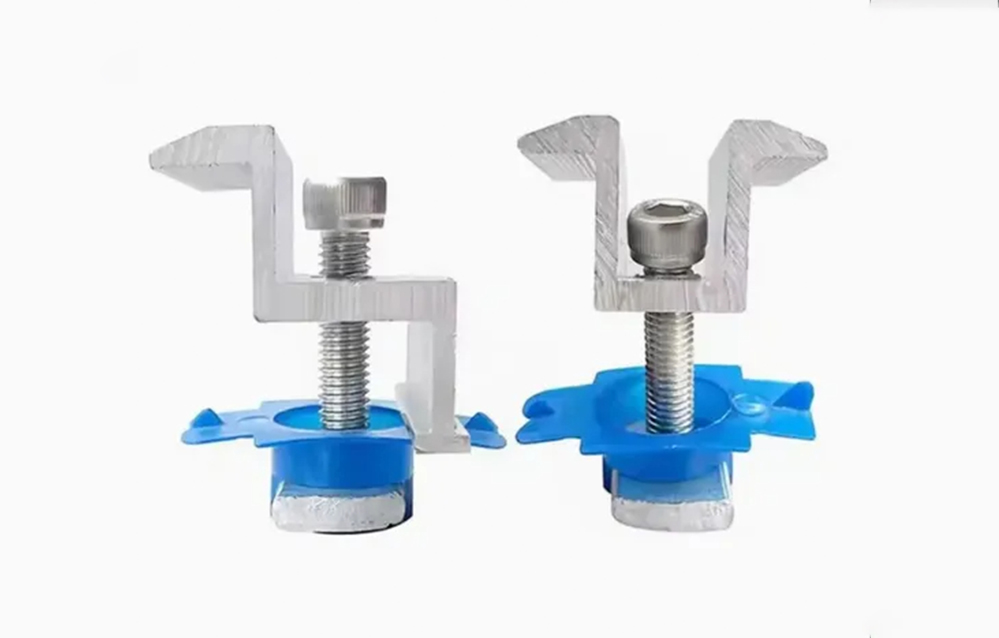
Reliable Solar Photovoltaic Medium Voltage Block with Aluminum Alloy
Material: Aluminum Alloy
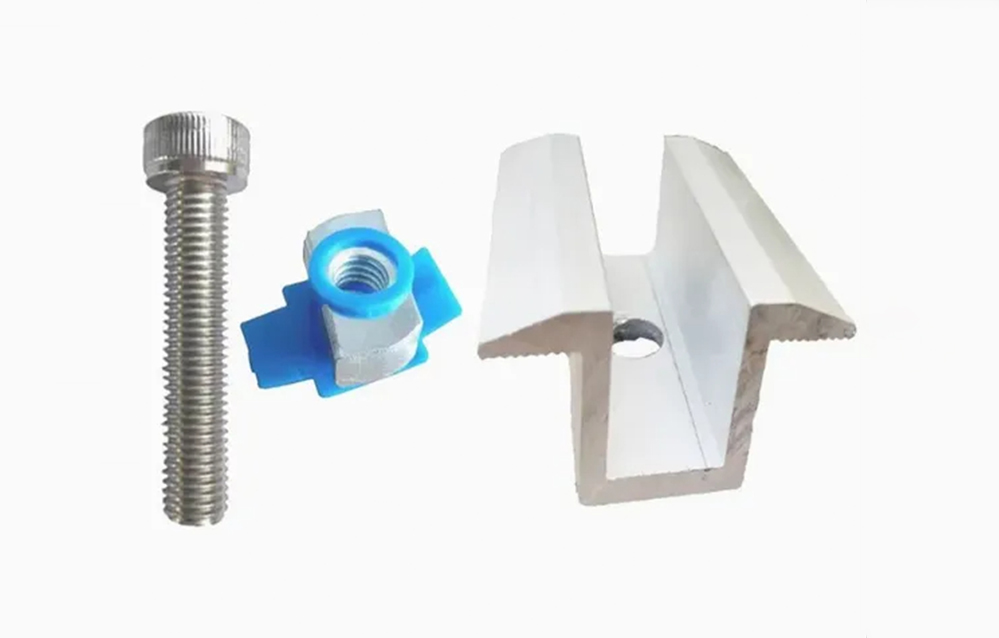
Solar Photovoltaic Panel Medium Voltage Block 50 Long
Material: Aluminum Alloy
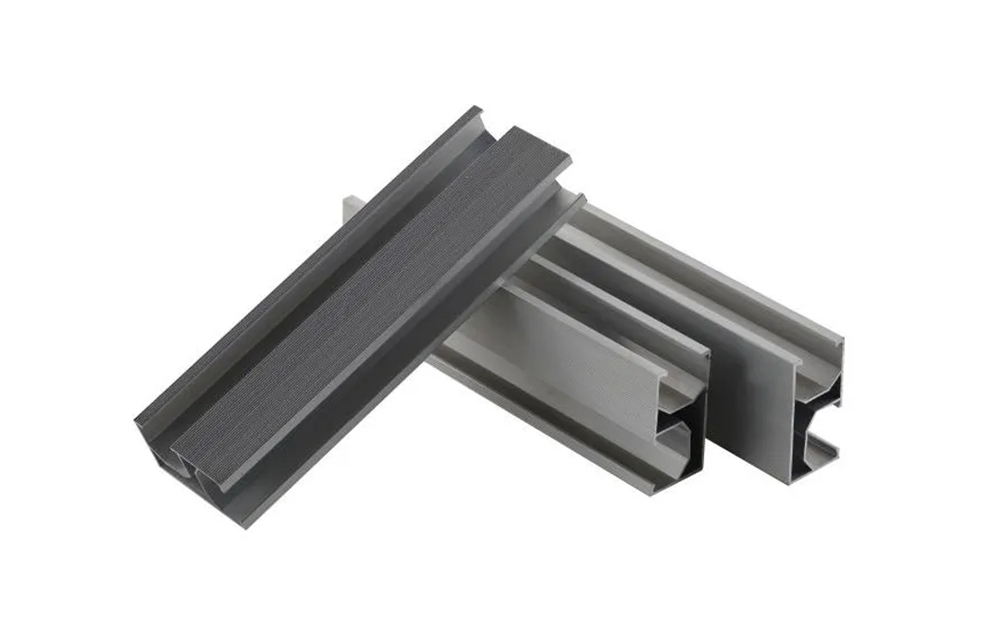
Premium Solar Panel Mounting Rail System for PV Installation
Customization: Available
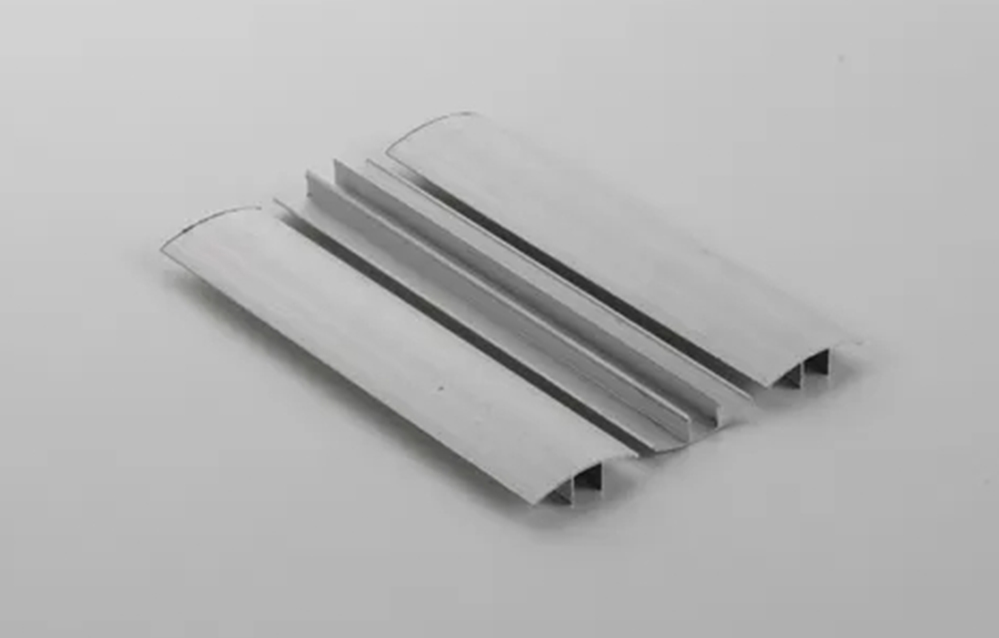
Easy-Install Protective Cover Durable Rust-Proof Solar Panel Rail Cover for Rooftop/Ground PV Rails
Customization: Available
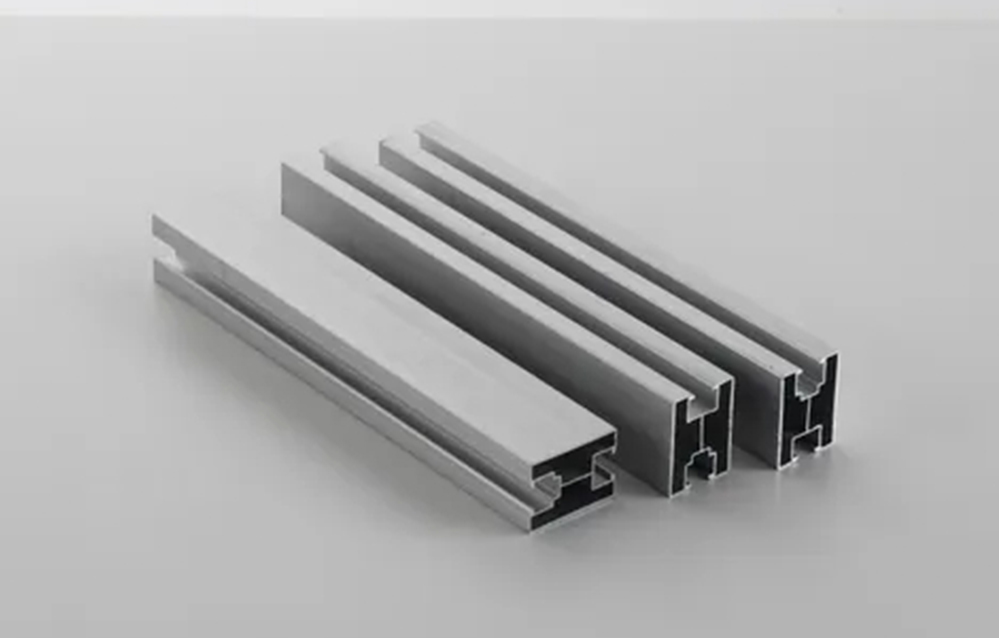
Custom Tailored Aluminum Solar Panels Rails for Rooftop/Ground PV Systems
Customization: Available