Sep.23,2026
Share
The right MC4 solar connector is chosen by four specs that decide whether a DC string stays safe for 25 years: the certified voltage class, the current headroom above the panel short-circuit current, the ingress rating, and the crimp quality at install. Huitai Photovoltaic builds its connector line to match these specs so distributors and installers can specify one certified part across residential and commercial arrays.
An MC4 connector is the standardized plug-in joint that links a module, a cable, and a combiner box into a sealed DC circuit, and the name comes from the original Multi-Contact 4-millimeter contact design that most brands now copy. It looks small and cheap next to a panel, but it sits on the DC side where a weak contact overheats, arcs, and can take down a whole string, so the connector is treated as a structural safety part rather than a commodity. The housing, the tinned copper contact, the seal rings, and the locking clip each have to hold for the full service life in sun, rain, and heat.
A standard MC4 is rated 1000V DC, which covers almost every residential and most commercial strings, while modern utility-scale and large commercial systems have moved to 1500V architecture to cut cable losses and balance-of-system cost. If the system is 1500V you must use connectors explicitly certified for 1500V, such as the high-current 55A class parts, because dropping a 1000V connector into a 1500V string is a code violation and a fire hazard. The certificate document has to name the 1500V class, not just the brand, so read the paper before you trust the moulding. Huitai Photovoltaic stocks both the 1000V and the 1500V classes so a distributor can hold one certified line across residential and utility-scale work rather than splitting the bill of materials.
The common MC4 carries 30A, and high-current variants reach 45 to 55A, but the number that matters is the string short-circuit current of the panel, not the panel nameplate. The rule is to specify a connector rated at least 1.25 times the string Isc so the contact runs cool with margin instead of sitting at the edge of its limit in a summer heat wave. Larger panels with higher Isc need the higher-rated part, and the connector current must be checked against the operating temperature because heat derating narrows the safe window. Huitai Photovoltaic marks the rated amps on the part so the 1.25x check is visible at the bench before the barrel is crimped.
The IP code tells you how the sealed joint survives weather, and IP67 means dust-tight with protection against temporary immersion to one meter for thirty minutes, which is enough for a roof or ground array that stays above water. IP68 adds continuous submersion protection, which matters for low-lying sites, flood-prone fields, or heavy snow build-up where water can sit against the joint for long stretches. For most fixed arrays IP67 is the safe floor, but coastal, agricultural, or flood-exposed runs are worth the IP68 upgrade because the seal is the only thing between the live contact and the rain. Huitai Photovoltaic grades its outdoor connectors to IP68 on the lines meant for field and farm use so the same part covers a roof and a low-lying array without a second specification.
The connector barrel has to accept the exact cable cross-section the array uses, because a mismatch is the other common cause of a bad crimp and a hot joint in the field. The common solar cables are 2.5, 4, and 6 square millimeters, with 4 and 6 square millimeters covering most panel-to-panel links and longer runs, and the crimp die must match that size rather than be forced onto a near fit. Huitai Photovoltaic lists the accepted gauge on each connector page so the installer grabs the right barrel and the right die in one pick, which removes the guesswork that produces loose terminations after a season outdoors.
The safety benchmark is IEC 62852, the international standard for PV DC connectors, and compliance is proven by third-party TÜV or UL testing that covers current, voltage withstand, IP, UV, and mating cycles, with a certificate number you can verify. Counterfeit connectors with false marks are on the market, so request the test certificate and check the mark on the part against the document before a batch ships. Huitai Photovoltaic ships the TÜV document and the test report with the batch so the buyer can file it against the quality system and prove the part at audit. The housing should be UV-stable PPO or PC rather than cheap plastic that cracks under sun, and the contact should be tinned copper for low resistance.
Two field rules protect the seal. First, never mate a male from one brand with a female from another, because small dimensional drift leaves the locking collar proud, breaks the IP seal, and lets moisture creep in; keep one brand per array run. Second, crimp with the dedicated die and tool for the cable size, because pliers-style crimps leave voids the water finds within weeks, and a proper click-in with an MC4 spanner is the only proof the joint is locked. IEC 62852 also calls for a minimum of 500 mating cycles, but a permanently installed connector is mated once and rarely opened.
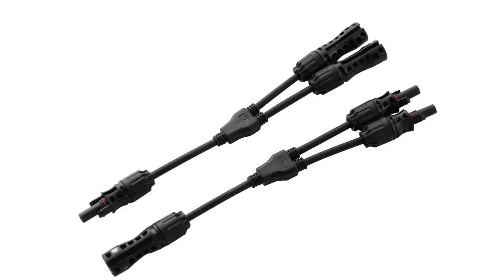
Huitai Photovoltaic stocks MC4 connectors and branch adapters across the common cable sizes of 2.5, 4, and 6 square millimeters, with TÜV documentation and test reports available on request so the buyer can file them against the quality system. The MC4 connector category, the solar accessories page, and the components page gather the plugs, Y-branch adapters, and cable sets in one view, and the solar fastener line covers the rest of the DC hardware on the same order. The services page explains the OEM and private-label options if a distributor wants the connector branded to its own program.
Buyers should send the system voltage class, the panel Isc, the cable gauge, and the target market to the team so the quote names the certified part and the crimp spec together. The contact page opens that conversation, and the overall mounting bracket solution shows how the connectors sit inside the wider racking and wiring package rather than as a separate line item.
Q: Can I use a 1000V MC4 connector in a 1500V solar system?
A: No. A 1500V system requires connectors explicitly certified for 1500V, and using a 1000V part is a code violation and a safety hazard. Verify the certificate names the 1500V class before specifying the connector.
Q: How do I size the current rating of an MC4 connector?
A: Rate the connector at least 1.25 times the string short-circuit current of the panel, not the nameplate wattage, and apply temperature derating for the site. Standard parts carry 30A, while high-current variants reach 45 to 55A for larger panels.
Q: Is IP67 enough or do I need IP68 for solar connectors?
A: IP67 is the safe floor for most roof and ground arrays above water, while IP68 adds continuous submersion protection for flood-prone, coastal, or heavy-snow sites. Choose IP68 where water can sit against the joint for long periods.
Q: Why should I not mix MC4 brands in one array?
A: Male and female connectors from different brands have small dimensional differences that leave the lock proud and break the IP seal, letting moisture in and risking arcing. Keep one brand and series per array run, or use genuine matched parts at every junction.
Q: What certification proves an MC4 connector is safe?
A: Compliance with IEC 62852, proven by third-party TÜV or UL testing with a verifiable certificate number, is the benchmark. Request the test certificate and check the mark on the part, because counterfeit connectors with false marks exist.
Hot Products
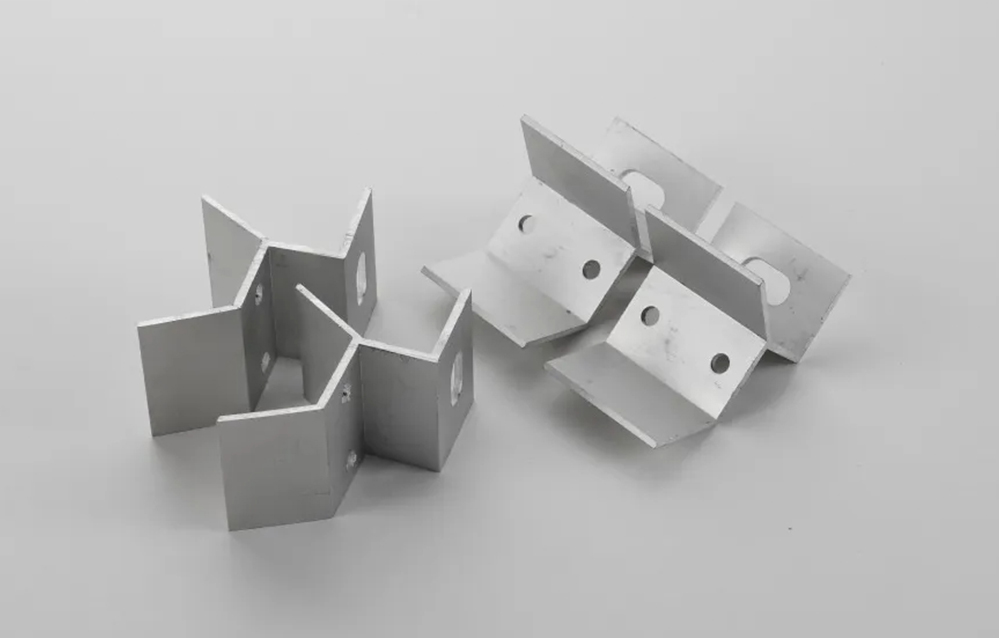
High Quality Metal Fabrication Clamps Solid Integral Stainless Steel Integrated Clamp A
Usage: Heavy Duty Clamp, Pipe Clamp, Glass Clamp
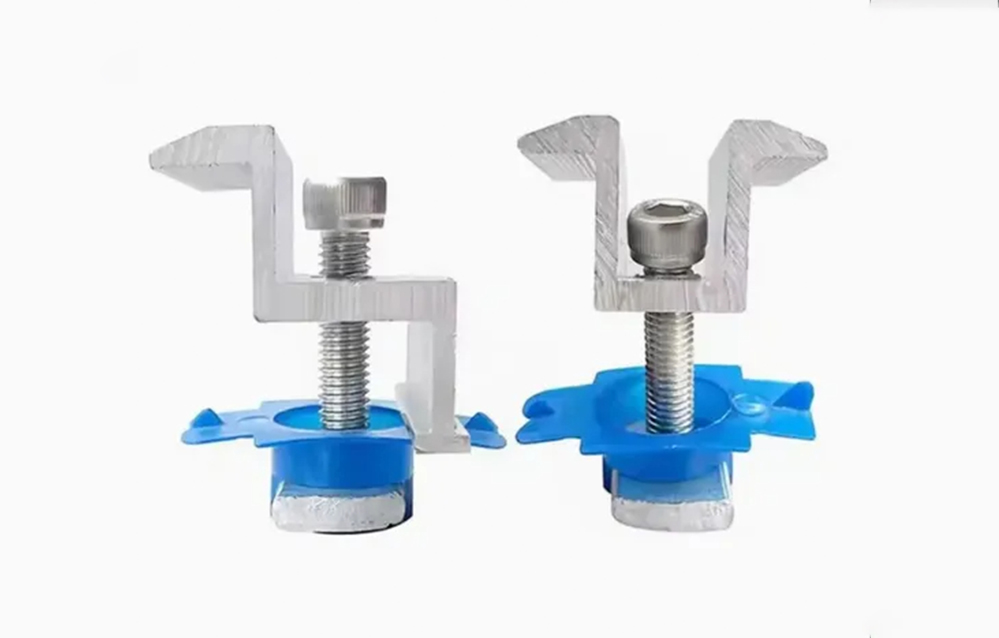
Reliable Solar Photovoltaic Medium Voltage Block with Aluminum Alloy
Material: Aluminum Alloy
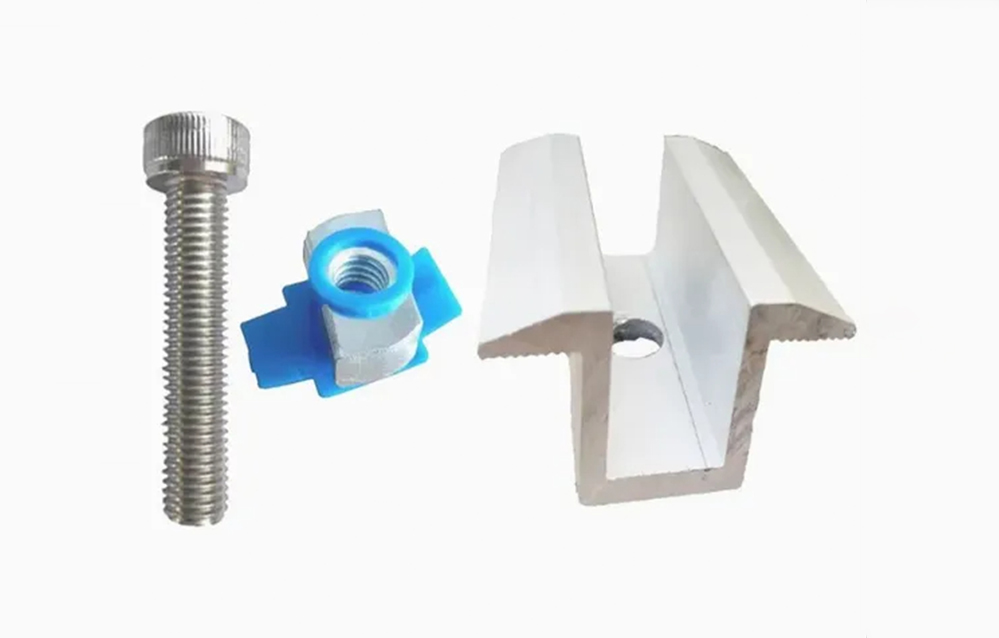
Solar Photovoltaic Panel Medium Voltage Block 50 Long
Material: Aluminum Alloy
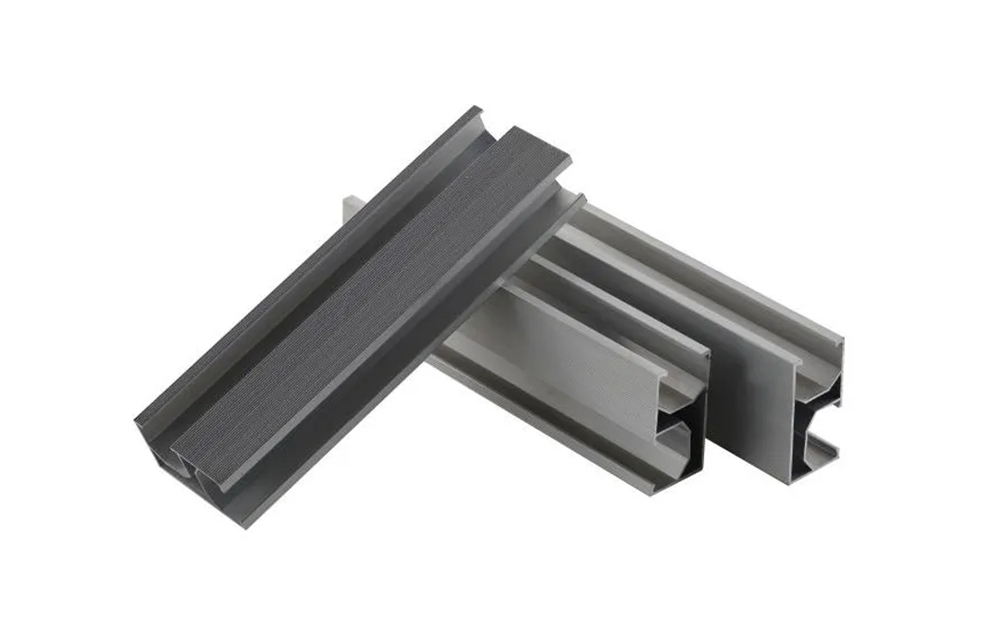
Premium Solar Panel Mounting Rail System for PV Installation
Customization: Available
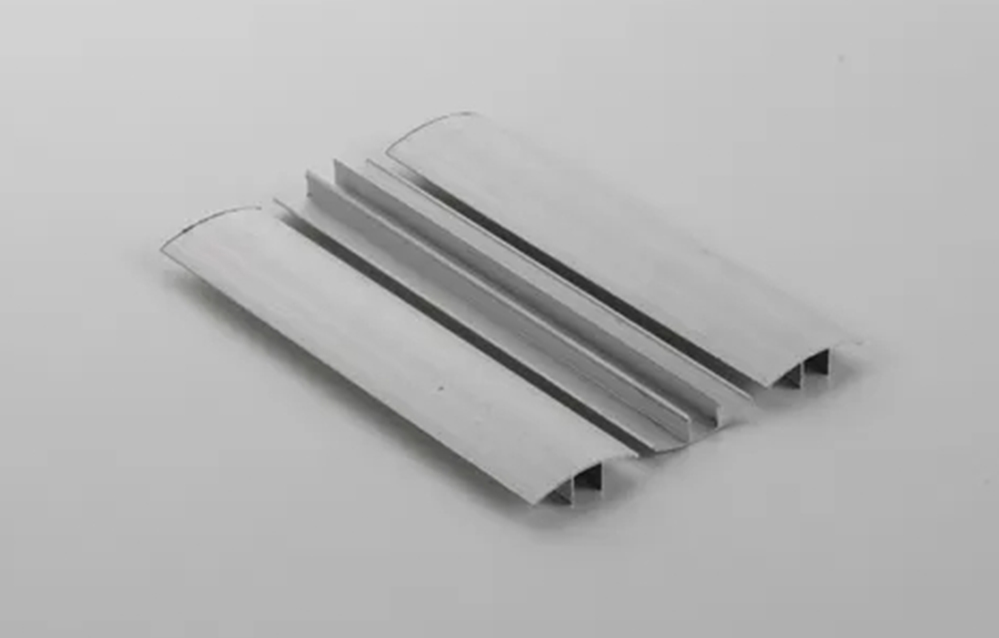
Easy-Install Protective Cover Durable Rust-Proof Solar Panel Rail Cover for Rooftop/Ground PV Rails
Customization: Available
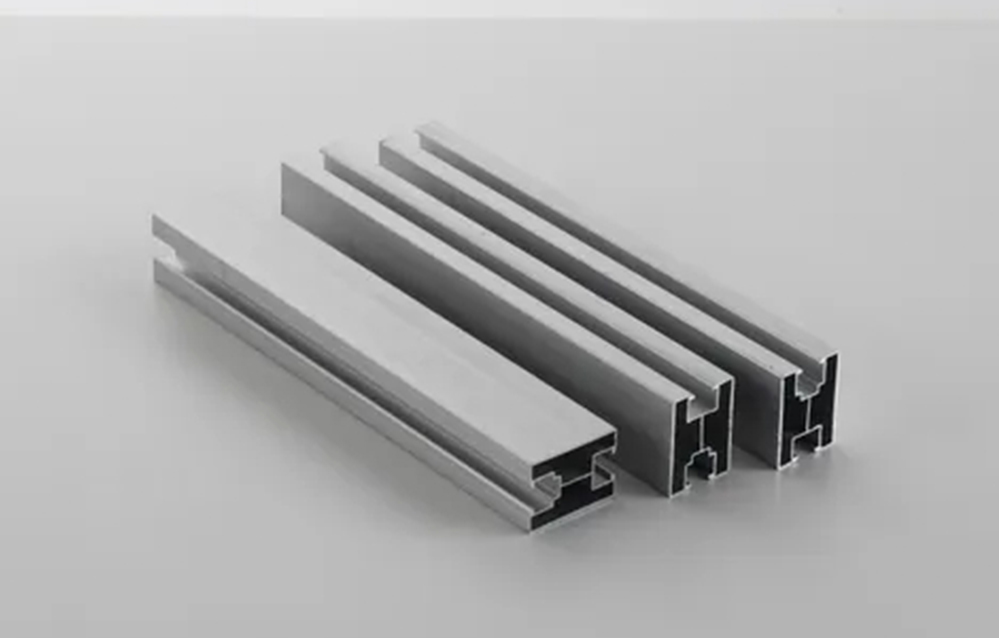
Custom Tailored Aluminum Solar Panels Rails for Rooftop/Ground PV Systems
Customization: Available