News
Sep.23,2026
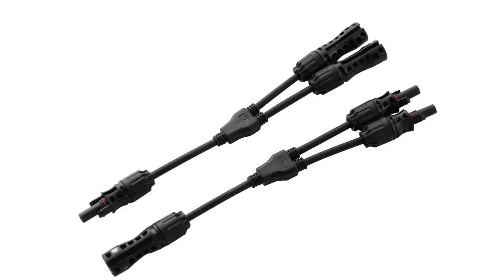
How to Choose MC4 Solar Connectors: TÜV Rating, 1000V vs 1500V, and IP68 Explained?
The right MC4 solar connector is chosen by four specs that decide whether a DC string stays safe for 25 years: the certified voltage class, the current headroom above the panel short-circuit current, the ingress rating, and the crimp quality at install.
View More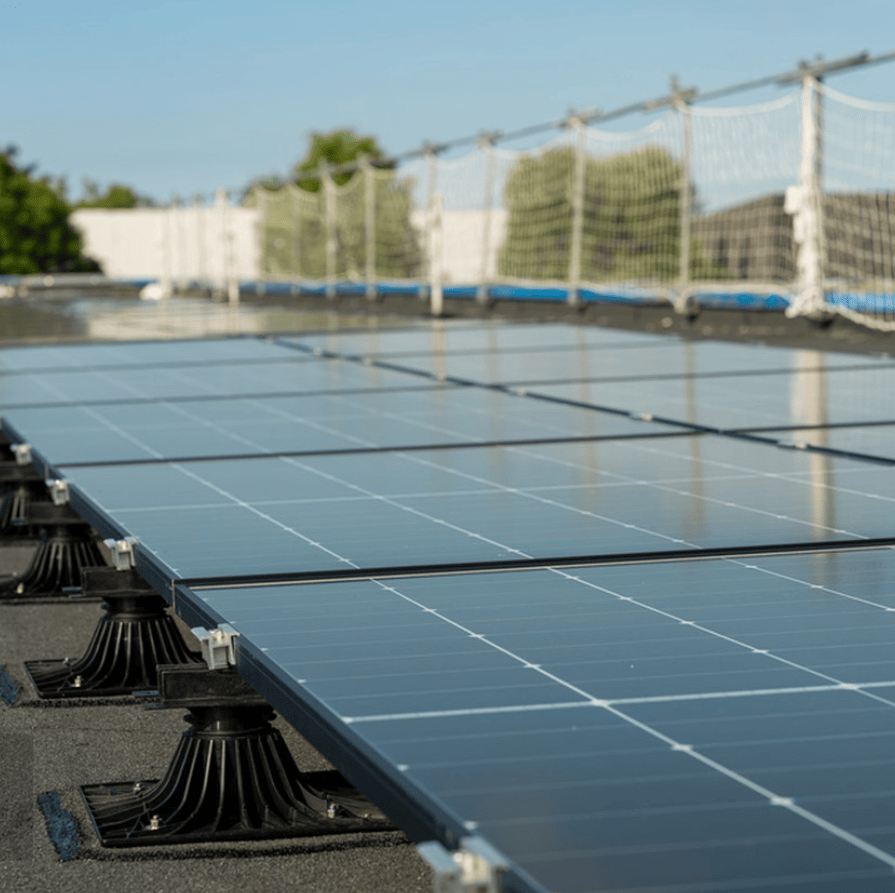
Sep.14,2026
How to Plan Panel Layout and Row Spacing on a Flat Roof Solar Mounting System
A flat roof solar mounting system is designed to secure solar panels on a flat rooftop while maximizing space and efficiency. Its structure allows for optimal solar energy capture regardless of roof inclination.
View More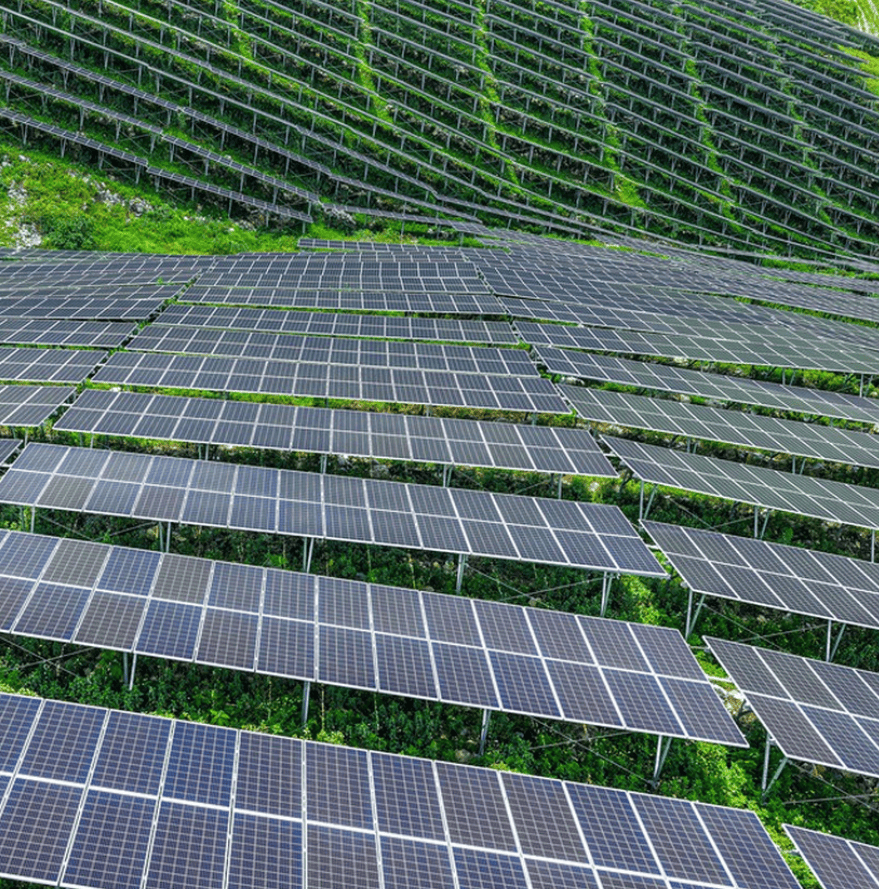
Sep.14,2026
Flat Roof Solar Mounting System Compatibility with EPDM, TPO, and PVC Membranes
Understanding the compatibility of flat roof solar mounting systems with various membrane types, such as EPDM, TPO, and PVC, is vital for ensuring the longevity and effectiveness of solar installations. This article will delve into these membrane types, guiding you through their characteristics, installation practices, potential challenges, and best mounting system options. By following these
View More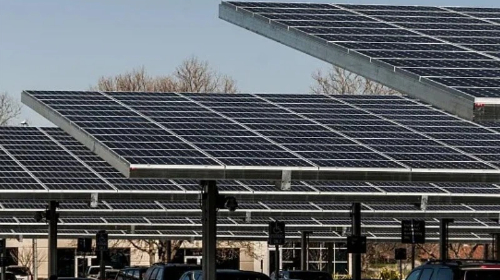
Sep.14,2026
How Can Solar Carports Combine PV Generation With Parking Space?
Parking areas occupy significant amounts of land but often provide little productive use beyond vehicle storage.
View More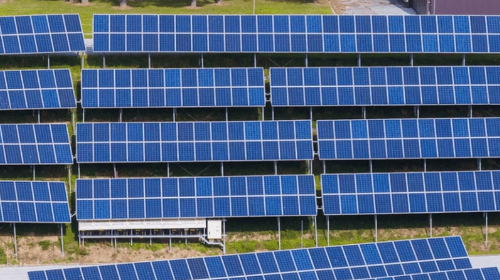
Sep.09,2026
How Should Agrivoltaic Mounting Systems Be Designed for Farmland?
Agricultural photovoltaic projects have a requirement that conventional ground-mounted solar farms do not always face: the land may need to continue supporting agricultural activities beneath or around the PV system.
View More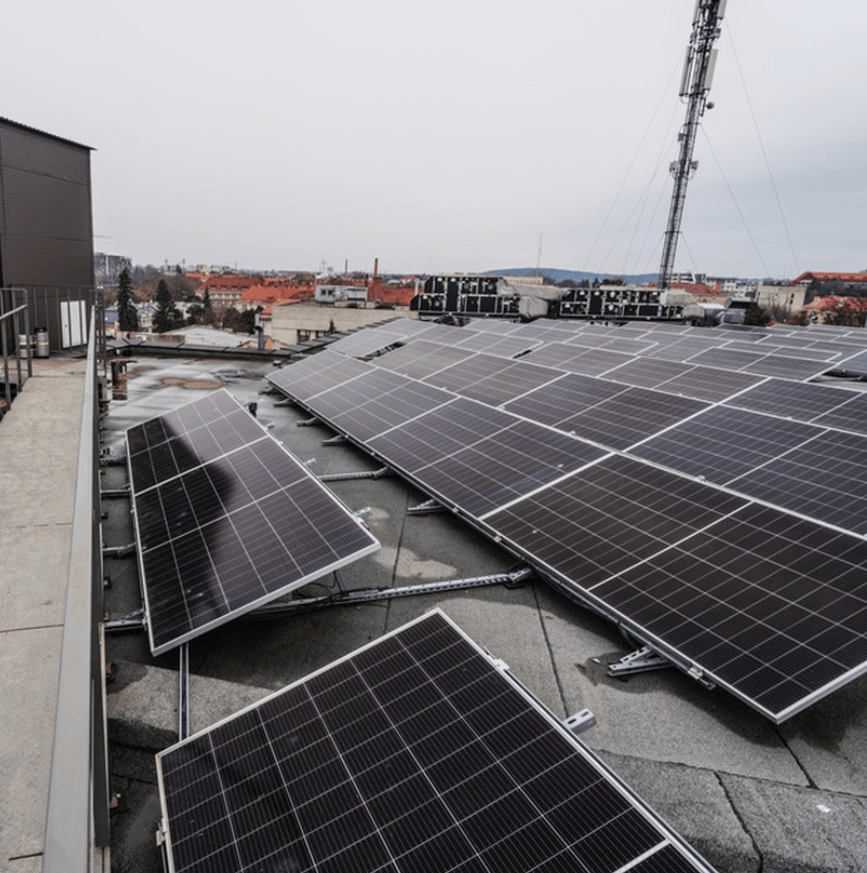
Sep.14,2026
Wind Uplift Calculations and Ballast Requirements for Flat Roof Solar Mounting Systems
When considering the installation of a flat roof solar mounting system, understanding the dynamics of wind uplift and the necessary ballast requirements is crucial. Proper calculations ensure the safety and longevity of the solar panel setup, making it resilient against harsh weather conditions. This article delves into the key components of wind uplift calculations, ballast requirements, and
View MoreOEM & Custom Service
We support OEM and all-round customization services. We can produce private label products according to your specific needs and offer flexible customization.
The customization scope includes size specifications, material selection, surface treatment, electrical parameter adjustment, structural design adaptation and logo marking, etc., to ensure that the accessories perfectly match your project requirements.