Oct.09,2026
Share
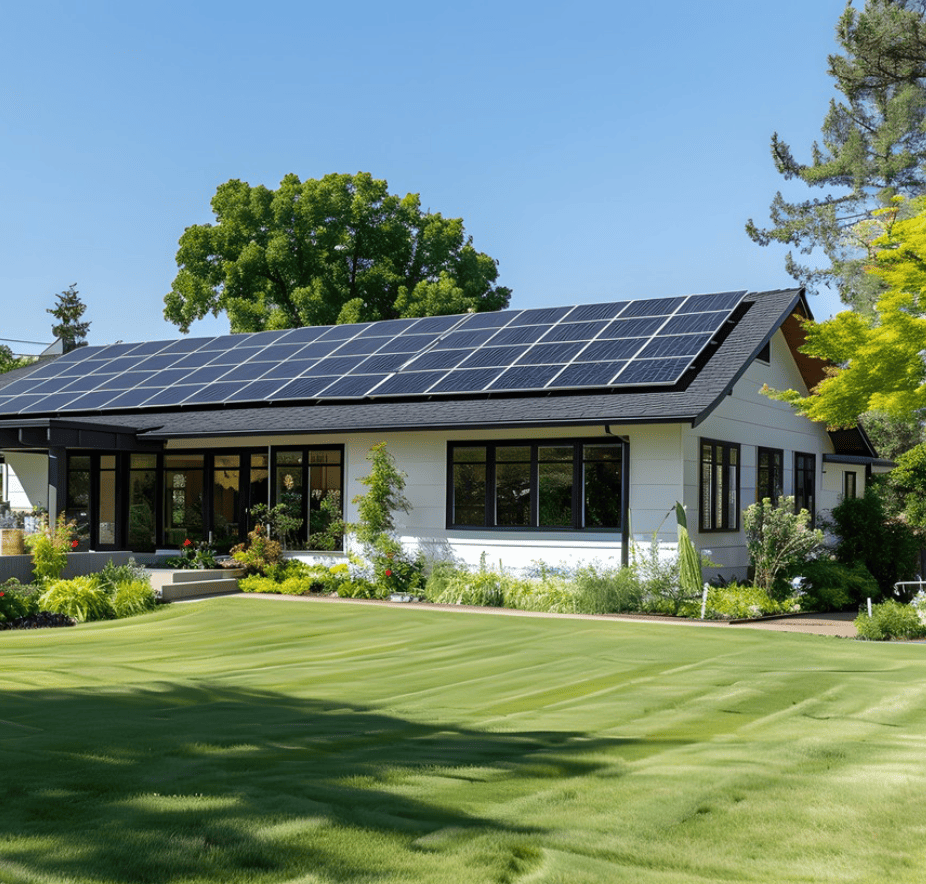
When discussing solar energy solutions, aesthetics and low-profile design options for tile roof solar mounting systems are key considerations. These systems allow for the efficient and visually appealing installation of solar panels on tile roofs, optimally balancing function and form. Such options not only enhance the exterior appearance of residential and commercial properties but also offer substantial energy savings. For businesses in the solar energy industry, understanding and utilizing low-profile systems can enhance customer satisfaction and broaden market appeal.
Historically, traditional solar mounting systems protruded significantly from the roof surface, detracting from the overall architectural integrity of buildings. As the solar energy industry has evolved, so too has the technology behind solar mounting systems. Innovations in design have prioritized aesthetics without compromising functionality. The development of low-profile mounting solutions began as a response to customer demands for installations that integrate seamlessly with existing structures. These designs reflect a growing trend within the construction and renewable energy sectors toward blending efficiency with aesthetic appeal.
The practical applications of low-profile tile roof solar mounting systems are significant. For instance, they can reduce wind resistance and enhance the overall system stability by minimizing the height of the panels. Additionally, these mounting systems eliminate unsightly protrusions and enhance roof lines, which can make a property more attractive to potential buyers or renters. In urban environments where space is limited, maintaining the aesthetic harmony of neighborhoods is crucial, and low-profile solutions fit this need perfectly. Notably, high-quality low-profile options provided by Huitai Photovoltaic pass rigorous testing standards, including ASTM and DIN, ensuring their durability and effectiveness.
Common misconceptions surrounding tile roof solar mounting systems often stem from misunderstandings about their structural integrity and overall performance. Some individuals believe that a low-profile design compromises the strength of a solar installation. However, leading manufacturers, such as Huitai Photovoltaic, have engineered systems that meet stringent industry standards while maintaining low visibility. For example, the integration of advanced materials and precision engineering—offering accuracy to 0.01mm—ensures these systems provide both aesthetic and functional excellence.
To illustrate the effectiveness of low-profile designs, consider the case of a residential project in an upscale community where homeowners prioritized aesthetics. After installing Huitai's low-profile solar mounting system, the homeowner reported a significant increase in property value and a reduction in energy bills by approximately 30%. Such positive outcomes underscore the dual benefits of these mounting systems—functionality and visual appeal.
In summary, aesthetic and low-profile design options for tile roof solar mounting systems are transforming how solar energy is perceived and implemented. By choosing the right systems, businesses can enhance their offerings and respond to consumer demands for visually pleasing renewable energy solutions. Companies like Huitai Photovoltaic are leading the charge in this innovative market, providing high-quality solutions backed by strict industry standards and responsive customer service. For those interested in lowering their energy costs while maintaining their property’s aesthetic appeal, exploring low-profile solar mounting options is a strategic and impactful choice.
By sharing this knowledge, we encourage readers to dive deeper into the benefits and possibilities offered by Huitai Photovoltaic’s tile roof solar mounting systems. Being informed can empower businesses and homeowners alike to make sustainable choices that align with both their energy needs and aesthetic values.
More News
Hot Products
High Quality Metal Fabrication Clamps Solid Integral Stainless Steel Integrated Clamp A
Usage: Heavy Duty Clamp, Pipe Clamp, Glass Clamp
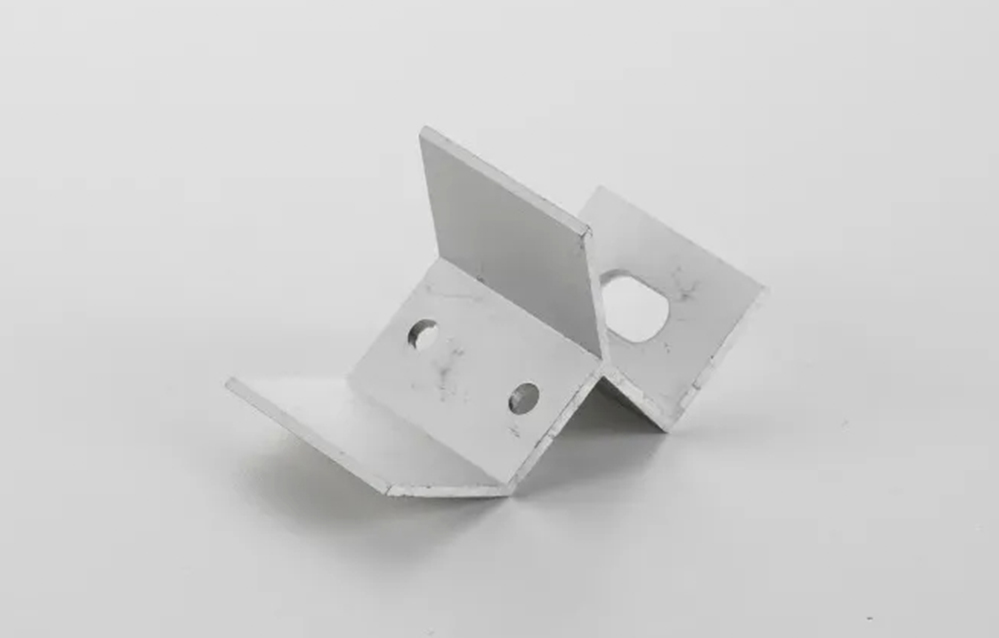
UV & Moisture Resistant Solar Panel Clamp with Custom Sizes
Customization: Available
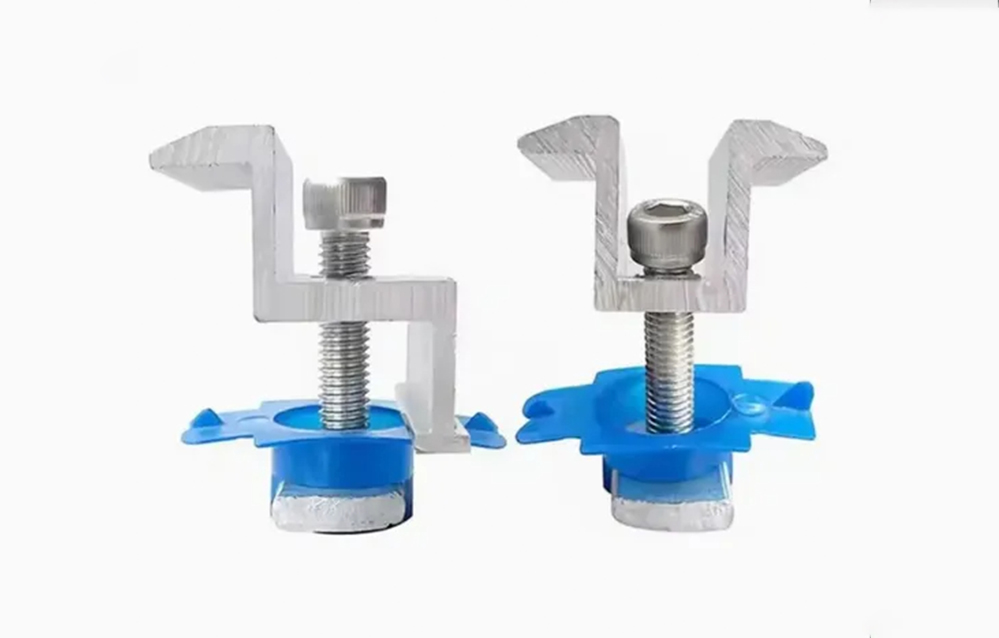
Reliable Solar Photovoltaic Medium Voltage Block with Aluminum Alloy
Material: Aluminum Alloy
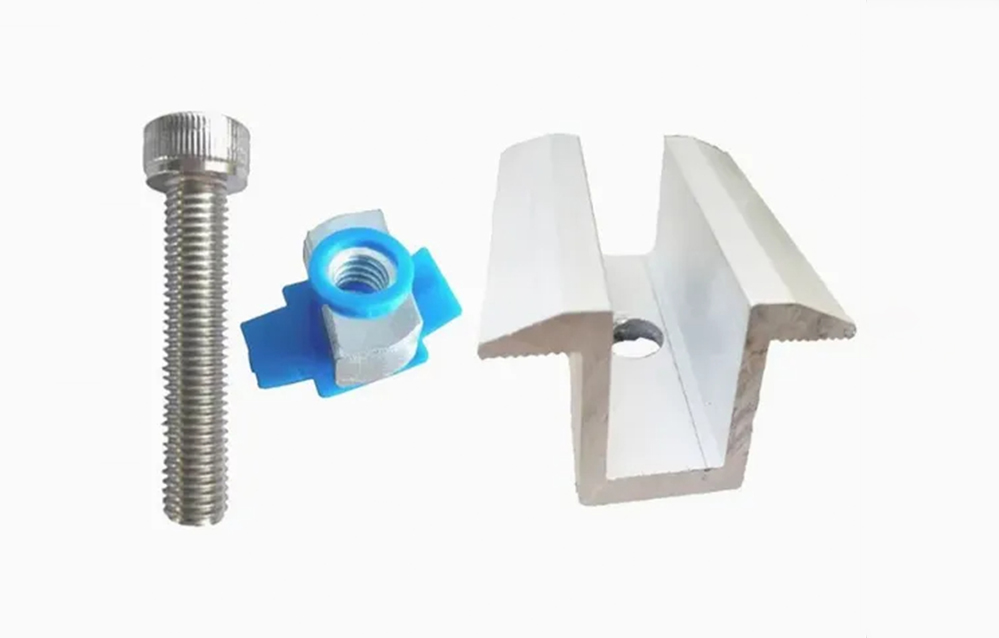
Solar Photovoltaic Panel Medium Voltage Block 50 Long
Material: Aluminum Alloy
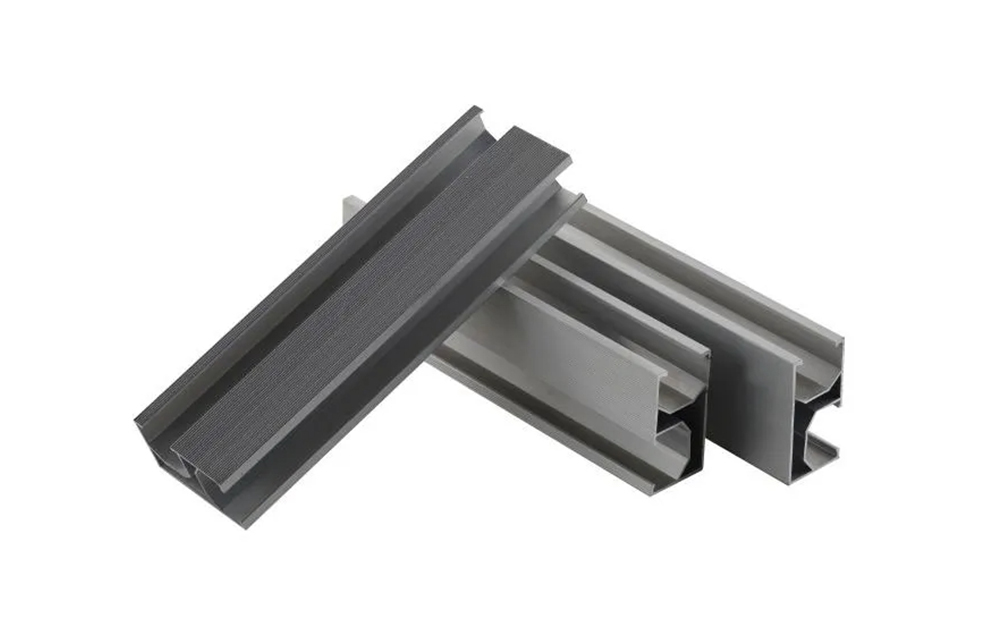
Premium Solar Panel Mounting Rail System for PV Installation
Customization: Available
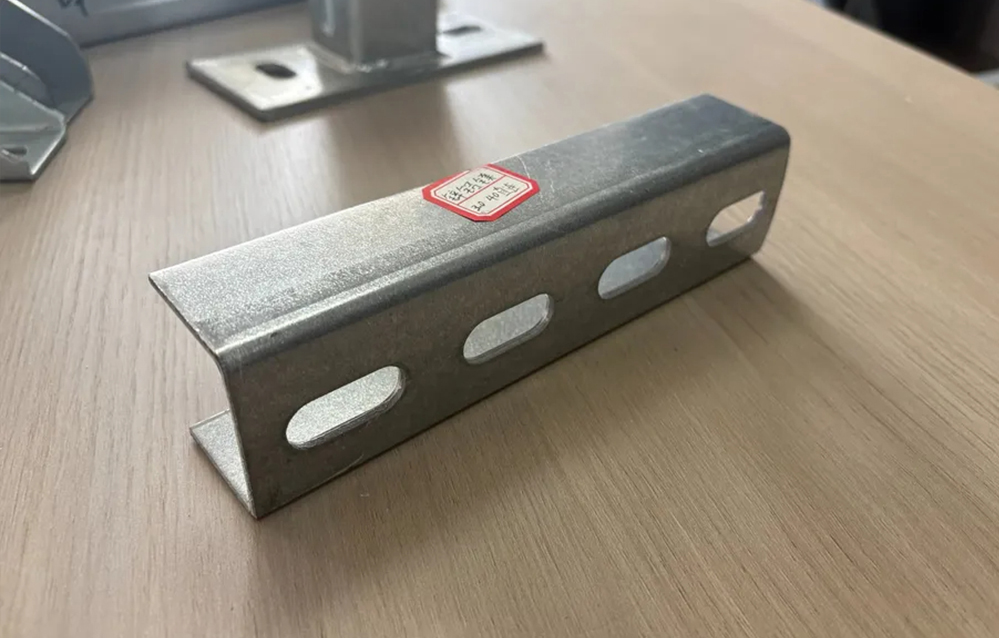
High Strength Heavy Duty Pre Galvanized Steel Solar Mounting Bracket for Ground Mount Systems
After-sales Service: 24-Hour Service