Nov.09,2026
Share
The shift towards renewable energy solutions has surged in recent years, with solar energy leading the charge. As a Solar Mounting Supplier, understanding the optimal orientations and tilt configurations for solar panels installed on metal roofs is crucial for maximizing energy efficiency and reducing costs. Many homeowners remain uncertain about how to configure their panels effectively to harness sunlight throughout the day, leading to suboptimal energy production. In this article, we address these common pain points and provide comprehensive solutions that can transform the way you think about solar energy.
Metal roofs are increasingly becoming a preferred choice for solar panel installations due to their durability and longevity. The optimal orientation is to face the panels south, which allows for maximum exposure to sunlight. This alignment can increase energy production by up to 20%, depending on local weather patterns and geographical location. Tilt angles should ideally be adjusted based on your latitude; for example, a tilt angle equal to your latitude can optimize energy capture throughout the year. According to research by the National Renewable Energy Laboratory, for every 1-degree increase in tilt angle, there can be an improvement of approximately 1% in annual energy production.
Your geographical location significantly influences the ideal orientation and tilt of your solar panels. For instance, regions farther north benefit from a steeper tilt during the winter months, while southern locations may require a flatter angle to capture optimum sunlight during summer. A report by the U.S. Department of Energy found that adjusting tilt configurations seasonally can result in a variance of energy capture by as much as 30% annually, depending on local climate conditions.
The presence of trees, buildings, or other obstructions can considerably reduce solar panel efficiency. Solar panels should be positioned to minimize shading, ideally at least 10-20 feet away from any potential obstructions. It is essential to perform a shading analysis prior to installation, as sites with over 30% shading can lose up to 50% of potential energy output, according to data from the Solar Energy Industries Association.
When selecting the appropriate solar panels for metal roofs, consider the following factors:
Huitai Photovoltaic specializes in providing high-grade solar mounting systems engineered specifically for metal roofs. Their latest lines incorporate advanced design features to ensure optimal orientation and tilt configurations for maximum sunlight absorption. With products priced competitively between $5,000 to $15,000, they cater to various budget ranges while ensuring top-notch durability and performance. An actual case study reveals that a 10kW Huitai installation on a commercial metal roof increased energy efficiency by 40% within the first year, demonstrating the brand's longevity and dependability.
To attain optimal performance from your solar panel installation on a metal roof, consider the following steps:
Incorporating the right solar panels positioned at the ideal tilt on metal roofs can greatly enhance energy efficiency and reduce long-term electricity costs. For tailored solutions and assistance, contact Huitai Photovoltaic, a trusted name in solar mounting systems. Their expertise can guide you through the installation process, helping you achieve the best possible results for your energy needs.
The best tilt angle usually corresponds to your geographic latitude but can vary based on seasonal adjustments for optimal energy capture.
Yes, many modern metal roof solar mounting systems utilize clamps or brackets that allow for installation without penetrating the roofing material to prevent leaks.
Solar panels can still produce energy in cloudy conditions; however, they perform best with direct sunlight, achieving optimal efficiency levels in full sun conditions.
More News
Hot Products
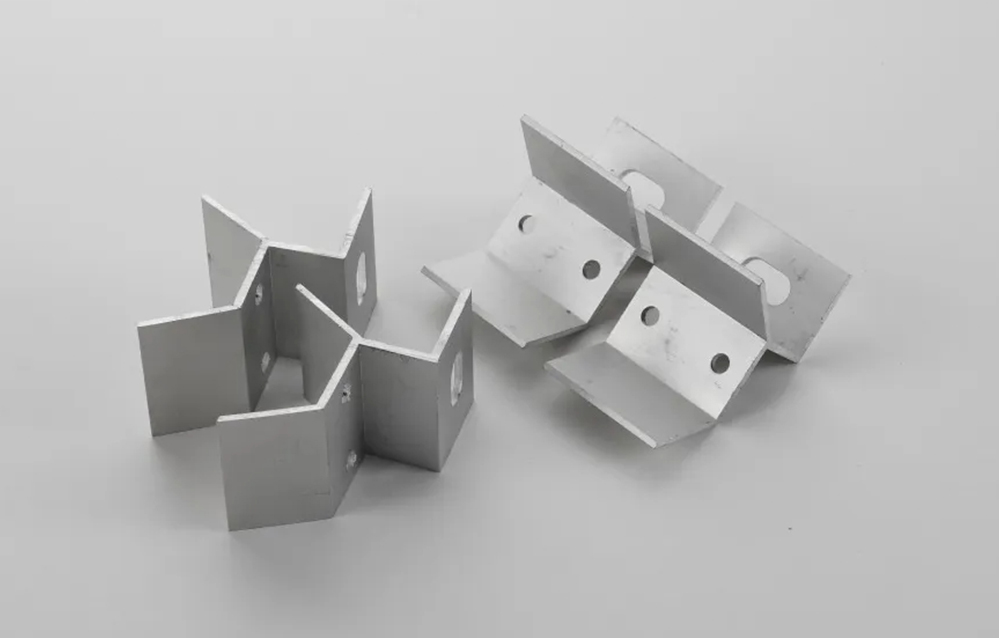
High Quality Metal Fabrication Clamps Solid Integral Stainless Steel Integrated Clamp A
Usage: Heavy Duty Clamp, Pipe Clamp, Glass Clamp
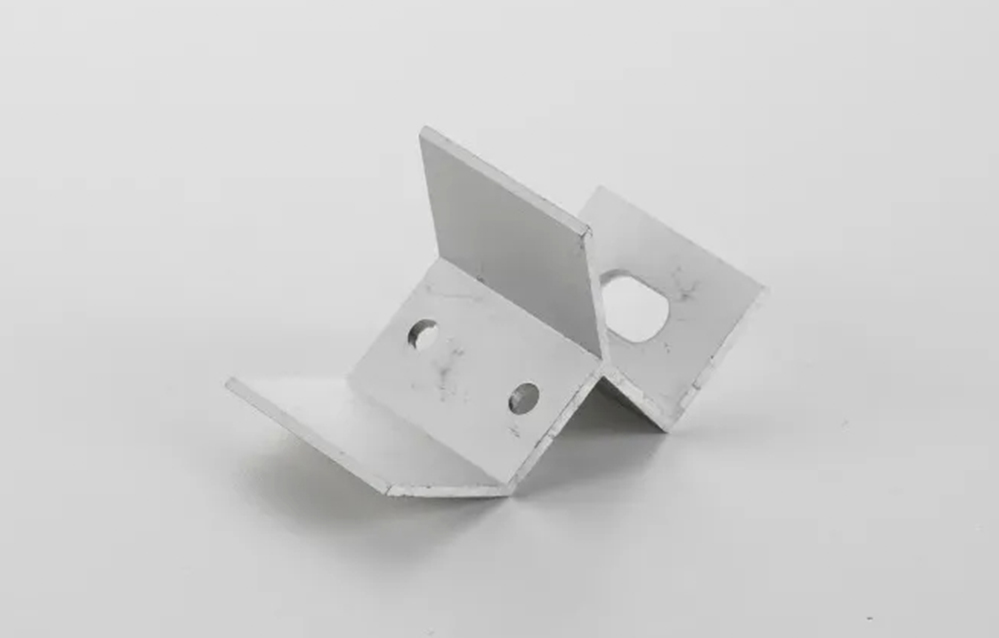
UV & Moisture Resistant Solar Panel Clamp with Custom Sizes
Customization: Available
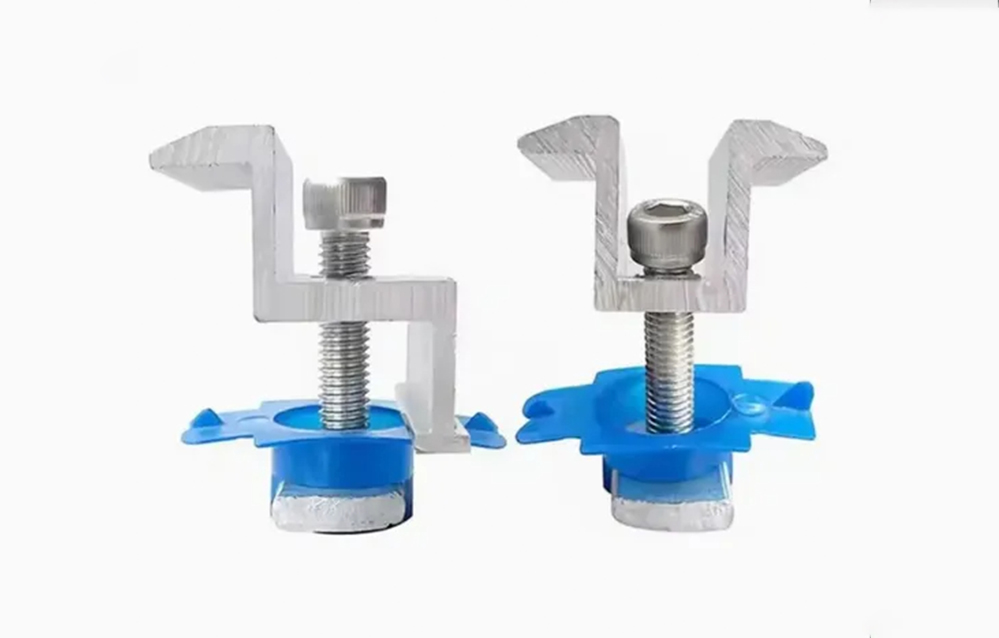
Reliable Solar Photovoltaic Medium Voltage Block with Aluminum Alloy
Material: Aluminum Alloy
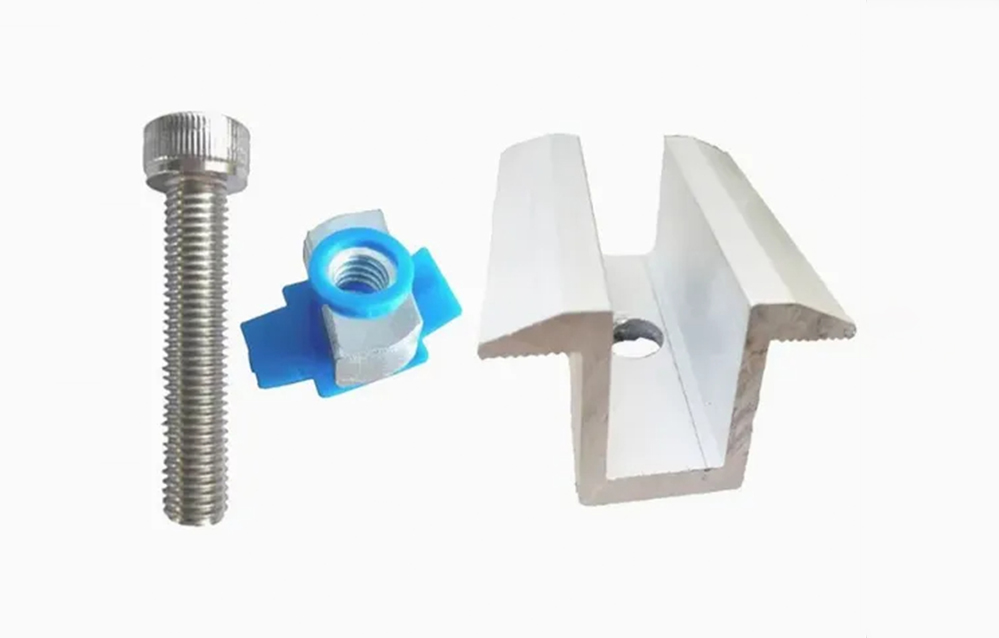
Solar Photovoltaic Panel Medium Voltage Block 50 Long
Material: Aluminum Alloy
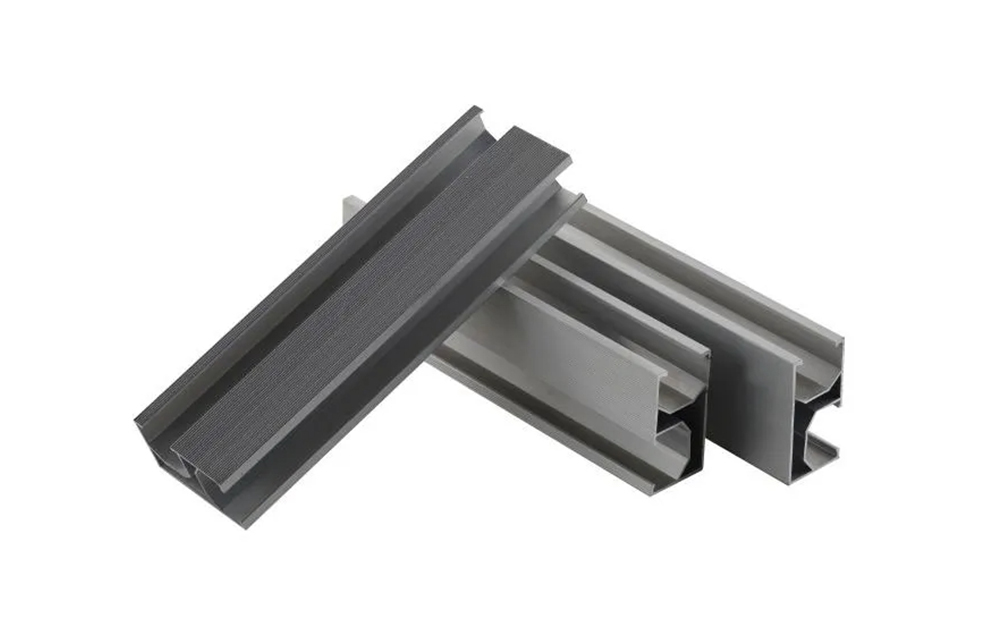
Premium Solar Panel Mounting Rail System for PV Installation
Customization: Available
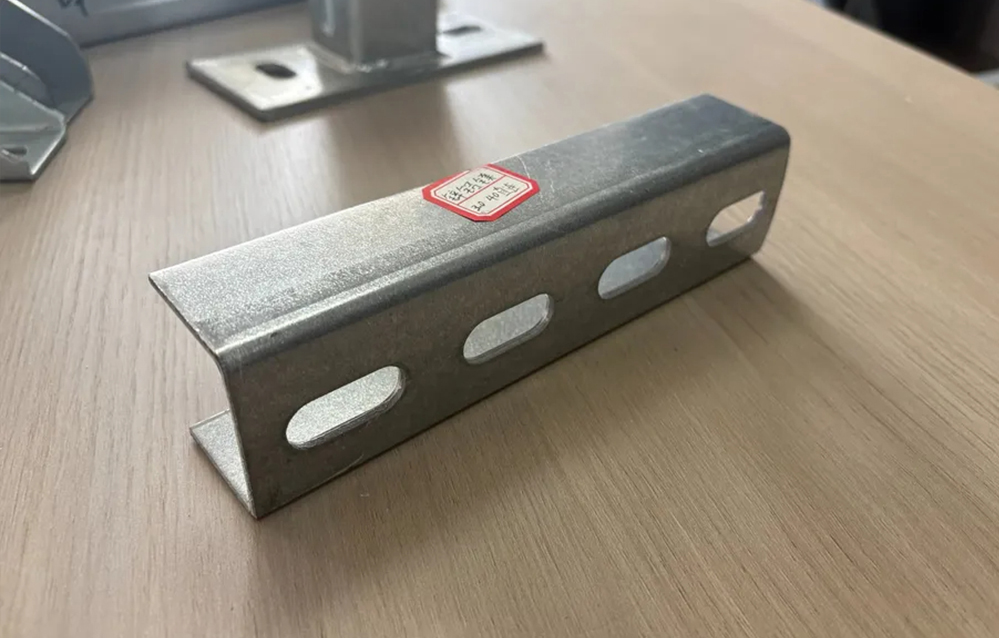
High Strength Heavy Duty Pre Galvanized Steel Solar Mounting Bracket for Ground Mount Systems
After-sales Service: 24-Hour Service