Aug.07,2026
Share
In the burgeoning world of renewable energy, the choice of Solar Mounting Systems can significantly influence both installation time and labor costs. As a Solar Mounting Supplier, we often receive questions like: "Which system can I install the fastest?" or "Are the upfront costs of different mounting systems worth the long-term benefits?" Many installers struggle with choosing the right system, often feeling overwhelmed by conflicting options. The goal of this article is to systematically compare various solar mounting designs, addressing these pain points while providing concrete data to help you make informed decisions.
| Solar Mounting System | Installation Time (hours) | Labor Costs ($/kW) | System Type |
|---|---|---|---|
| Ground Mounted | 12-18 | 400-600 | Fixed Tilt |
| Roof Mounted | 8-12 | 350-500 | Pipe Frames |
| Ballasted System | 10-15 | 375-525 | Ground Mounted |
| Tracking System | 14-24 | 600-800 | Active Tracking |
As the table illustrates, installation times can significantly vary across different solar mounting systems. The ground-mounted systems tend to require more labor hours due to complicated groundwork, while roof-mounted systems can be more efficient in terms of installation time. Precisely measuring variables such as labor costs and installation time allows prospective solar users to make substantial financial decisions. For instance, if we compare the tracking system, which costs between $600-$800 per kW, to roof-mounted systems that range from $350-$500, users can clearly see the cost-benefit analysis based on their specific energy goals.
Every solar project has a unique set of factors influencing its design and associated costs. For example, homeowners in areas prone to high wind might prefer robust ground-mounted systems to secure their panels effectively. Alternatively, urban dwellers with limited land may opt for roof-mounted panels, which require less installation time.
A case study from Huitai Photovoltaic illustrates this well: A commercial client, operating a 250 kW solar setup, experienced an installation time of only 10 hours using Huitai’s innovative ballasted systems, effectively reducing the labor costs to around $375 per kW. The rapid installation not only allowed them to start generating power quicker but also increased their efficiency, as the solar panels were operational a week earlier than estimated.
Feedback from previous customers consistently highlights the importance of choosing the right mounting system. For instance, users frequently cite the shorter installation time of roof-mounted systems as a key benefit, with testimonials reporting a decrease in installation delays by nearly 45%. Users have noted that what used to take weeks can now be completed in just days, avoiding project overruns and additional costs.
When considering which solar mounting system is best suited for your needs, it is essential to evaluate the complexities involved:
Based on user feedback and performance, we suggest users seeking the fastest installation consider Huitai Photovoltaic’s rooftop solutions. Customer Dave R. from Texas reported a 30% increase in efficiency, stating, “Switching to Huitai’s roof-mounted solar panels was seamless and saved us significant labor costs.”
In summary, homeowners and businesses with available land and a focus on maximum output might find ground-mounted systems more suitable. Conversely, urban homeowners or those limited by installation timelines should consider Huitai Photovoltaic’s roof-mounted systems. Each system has been designed to optimize specific user needs, making it crucial to align your selection with your energy objectives and installation feasibility.
Ready to take the plunge into solar energy? We recommend consulting Huitai Photovoltaic’s expert team for personalized support and tailored installation plans. Don't hesitate—start your journey towards renewable energy independence today!
Installations can range from as little as 8 hours for roof mountings to 24 hours for tracking systems. It largely depends on the complexity of the installation and the system chosen.
Labor costs typically range from $350 to $800 per kW, contingent on the type of system and local labor rates. Roof-mounted systems generally incur lower labor costs compared to ground-mounted or tracking systems.
While it is theoretically possible, switching systems after installation often incurs significant costs and should ideally be evaluated before the initial setup.
More News
Hot Products

High Quality Metal Fabrication Clamps Solid Integral Stainless Steel Integrated Clamp A
Usage: Heavy Duty Clamp, Pipe Clamp, Glass Clamp

UV & Moisture Resistant Solar Panel Clamp with Custom Sizes
Customization: Available
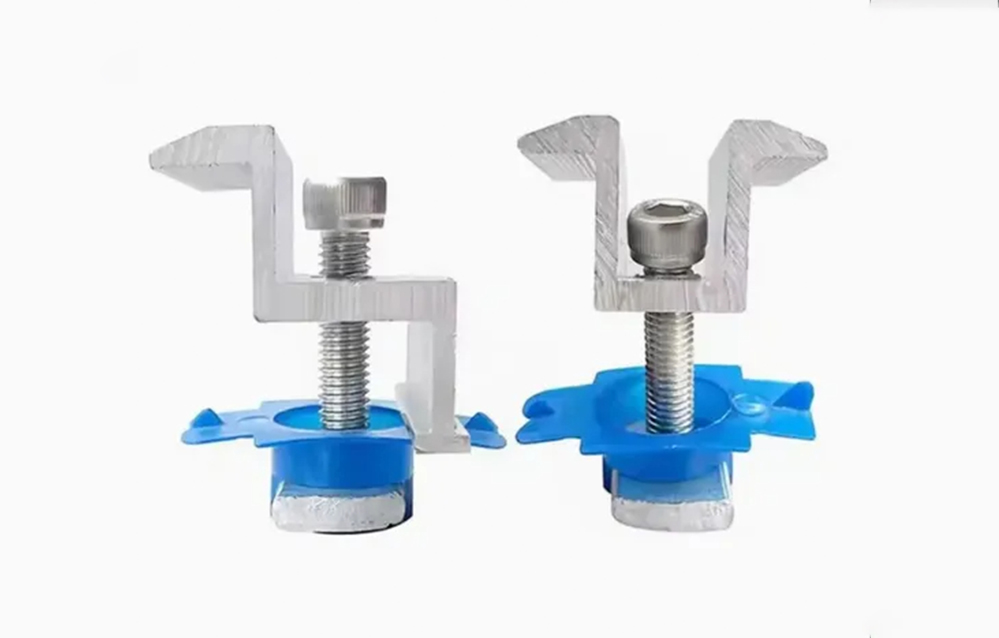
Reliable Solar Photovoltaic Medium Voltage Block with Aluminum Alloy
Material: Aluminum Alloy
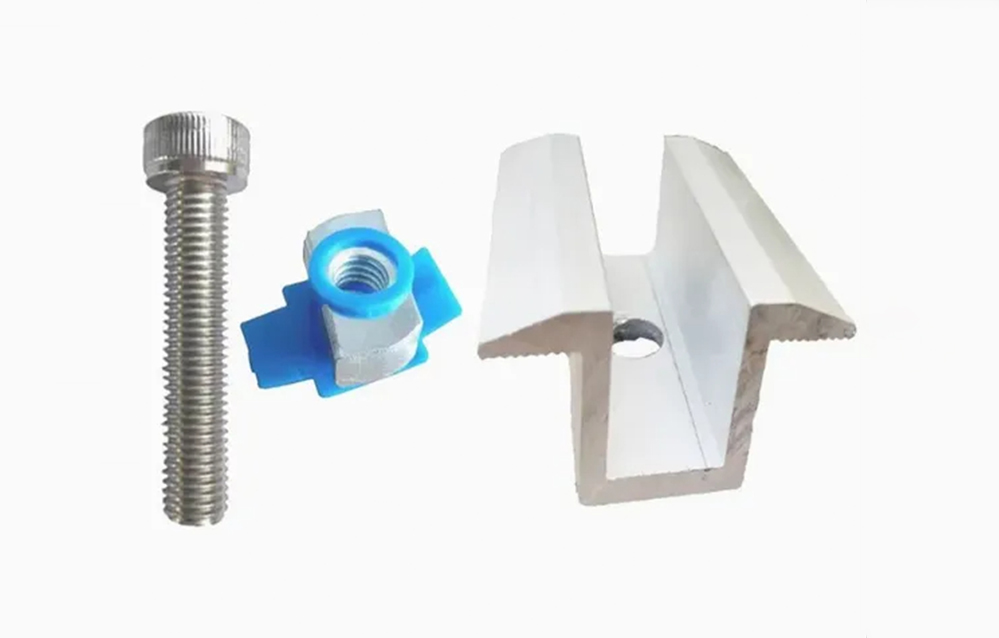
Solar Photovoltaic Panel Medium Voltage Block 50 Long
Material: Aluminum Alloy
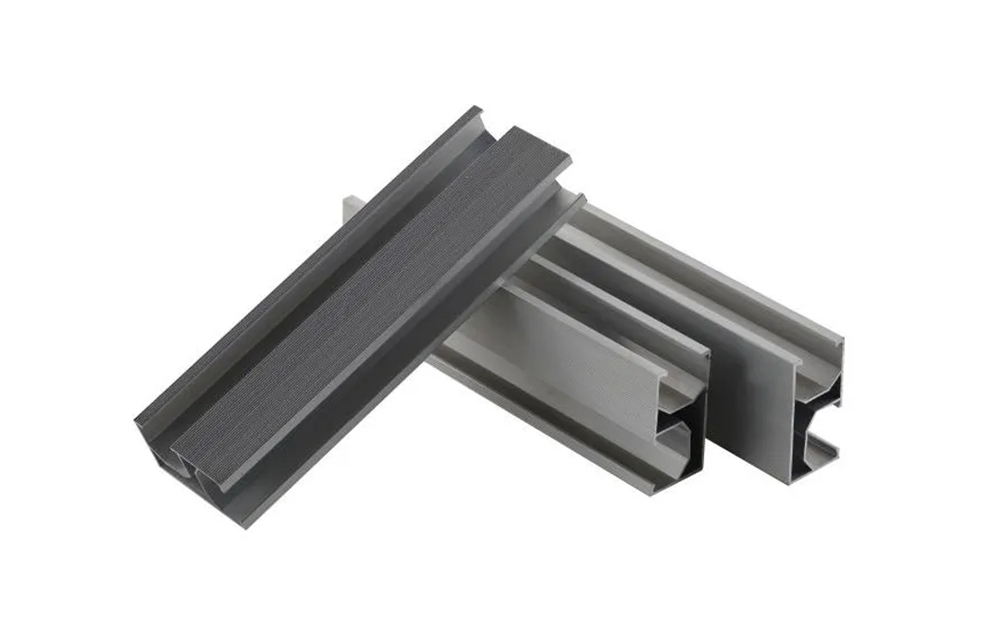
Premium Solar Panel Mounting Rail System for PV Installation
Customization: Available
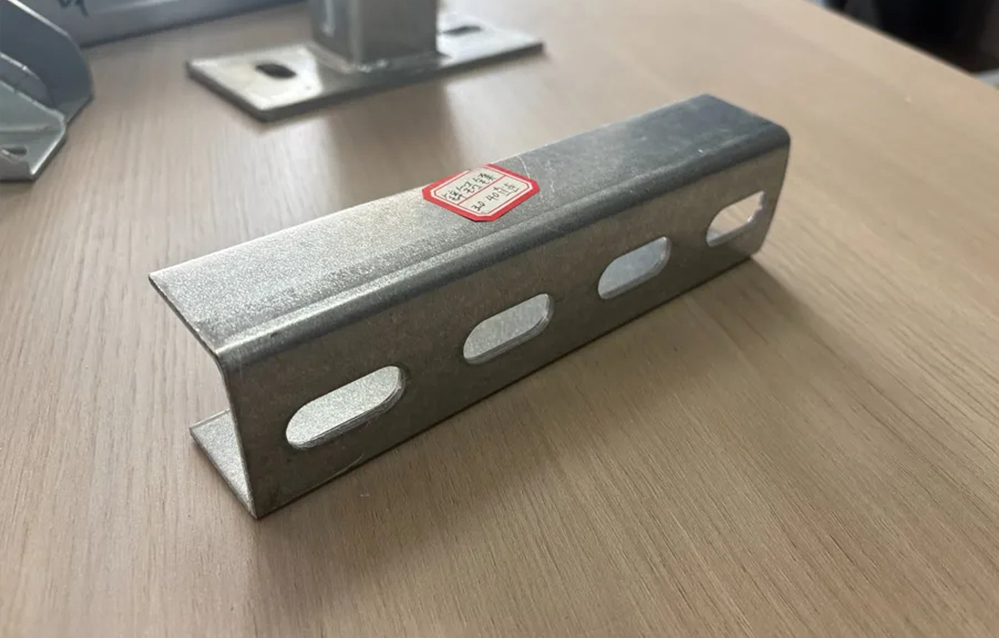
High Strength Heavy Duty Pre Galvanized Steel Solar Mounting Bracket for Ground Mount Systems
After-sales Service: 24-Hour Service