Oct.15,2026
Share
As the demand for renewable energy sources grows, ensuring the longevity and durability of solar installations has become paramount. This article is aimed at solar mounting suppliers, contractors, and building owners who face the challenge of selecting the right solar mounting systems for metal roofs. The escalating concern is enhancing corrosion resistance to reduce maintenance costs and extend the lifespan of installations. By addressing specific corrosion resistance requirements, we aim to help you make informed decisions about your solar mounting hardware.
Corrosion resistance is critical in solar mounting systems, especially on metal roofs where exposure to harsher weather conditions can accelerate material degradation. The terminology surrounding corrosion encompasses several key concepts:
When evaluating solar mounting hardware, focus on the following steps to ensure optimal corrosion resistance.
Choosing the right materials is the first step in combating corrosion. Consider these common materials:
Using protective coatings can significantly enhance corrosion resistance:
Installation practices can dramatically impact corrosion resistance:
Establishing a routine inspection schedule helps identify early signs of corrosion:
Here are examples of successful implementations of corrosion-resistant solar mounting systems in different environments:
What is the best material for solar mounting hardware on metal roofs?
The best materials are typically stainless steel and aluminum alloys due to their low corrosion rates.
How often should I inspect corrosion on my solar mounting system?
It is recommended to conduct inspections at least twice a year and after severe weather conditions.
What are the signs of corrosion I should look for?
Keep an eye out for discoloration, pitting, or structural weakening of the mounting hardware.
For those looking to deepen their understanding, consider exploring recent studies on corrosion inhibitors and environmental coatings. Publications detailing materials science innovations can provide insights into the latest advancements in corrosion resistance technologies specifically for solar mounting hardware.
For optimal performance and durability in solar mounting systems for metal roofs, choose Huitai Photovoltaic. Our range of corrosion-resistant hardware is designed to withstand diverse environmental conditions, ensuring your solar projects remain efficient and cost-effective. To learn more, visit Huitai Photovoltaic for comprehensive solutions and expert consultation.
More News
Hot Products
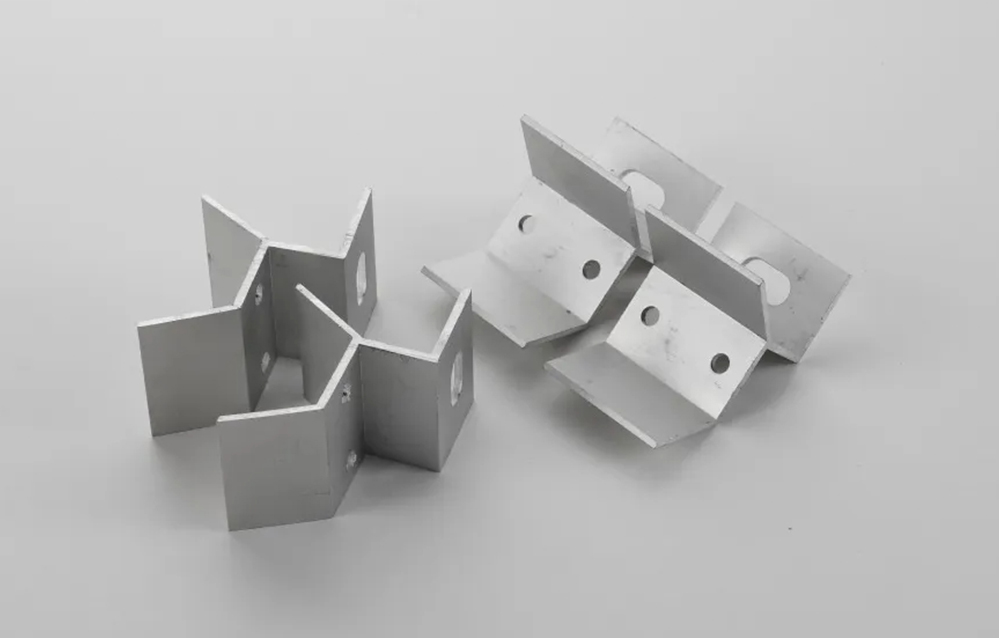
High Quality Metal Fabrication Clamps Solid Integral Stainless Steel Integrated Clamp A
Usage: Heavy Duty Clamp, Pipe Clamp, Glass Clamp
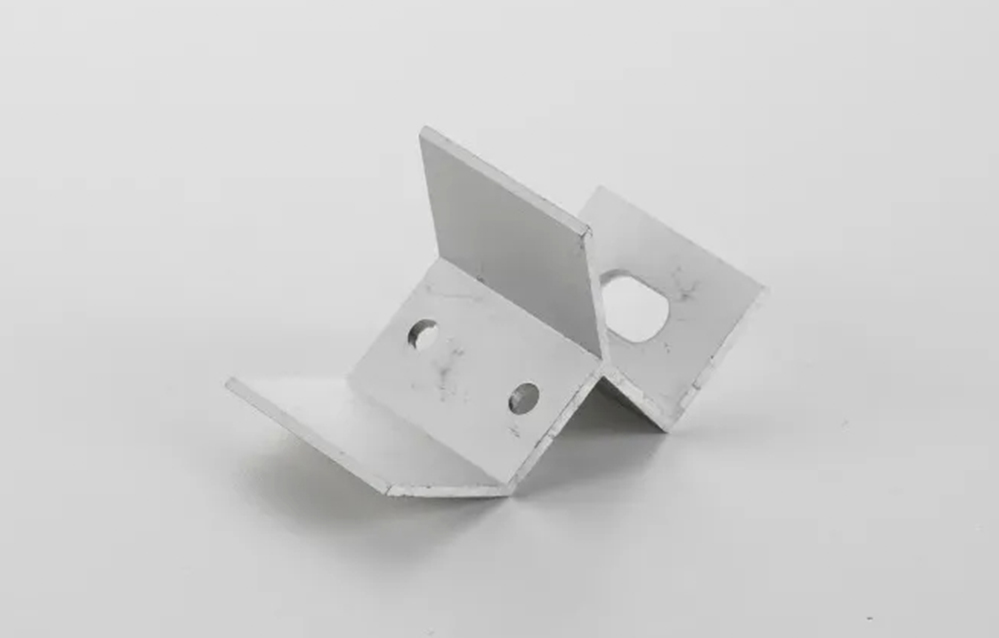
UV & Moisture Resistant Solar Panel Clamp with Custom Sizes
Customization: Available
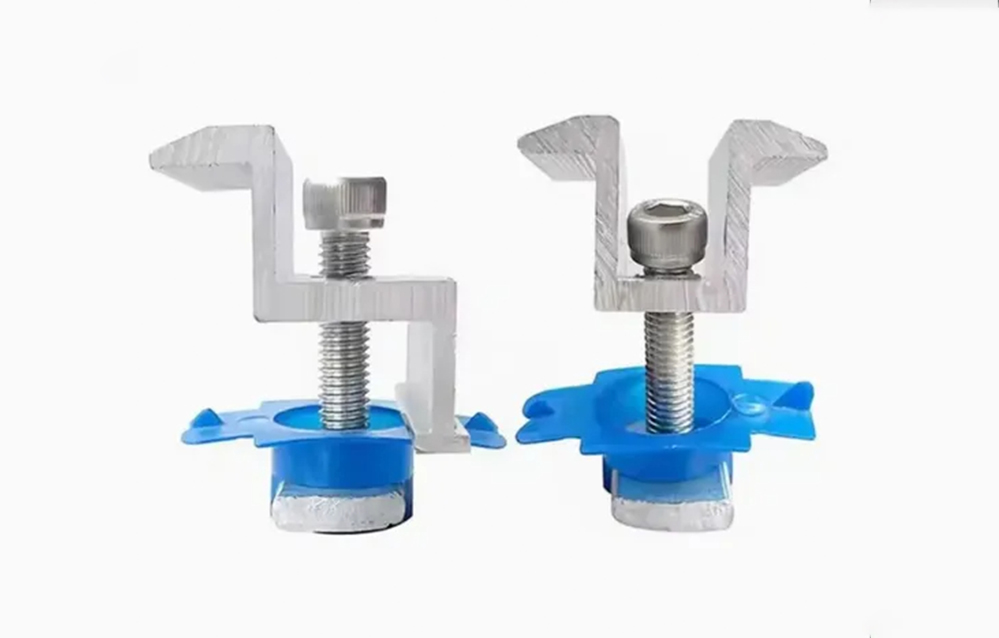
Reliable Solar Photovoltaic Medium Voltage Block with Aluminum Alloy
Material: Aluminum Alloy
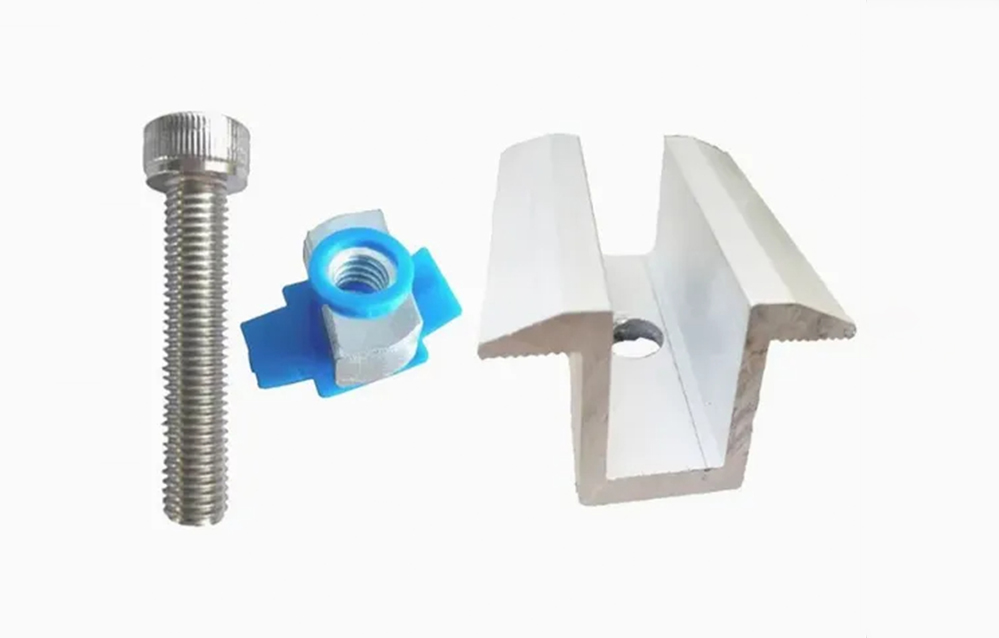
Solar Photovoltaic Panel Medium Voltage Block 50 Long
Material: Aluminum Alloy
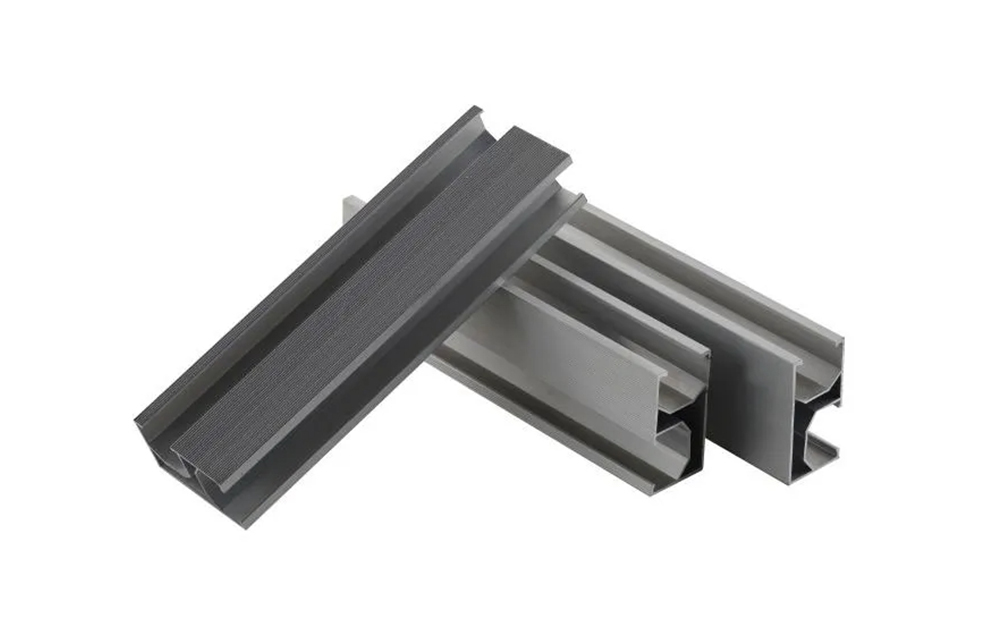
Premium Solar Panel Mounting Rail System for PV Installation
Customization: Available
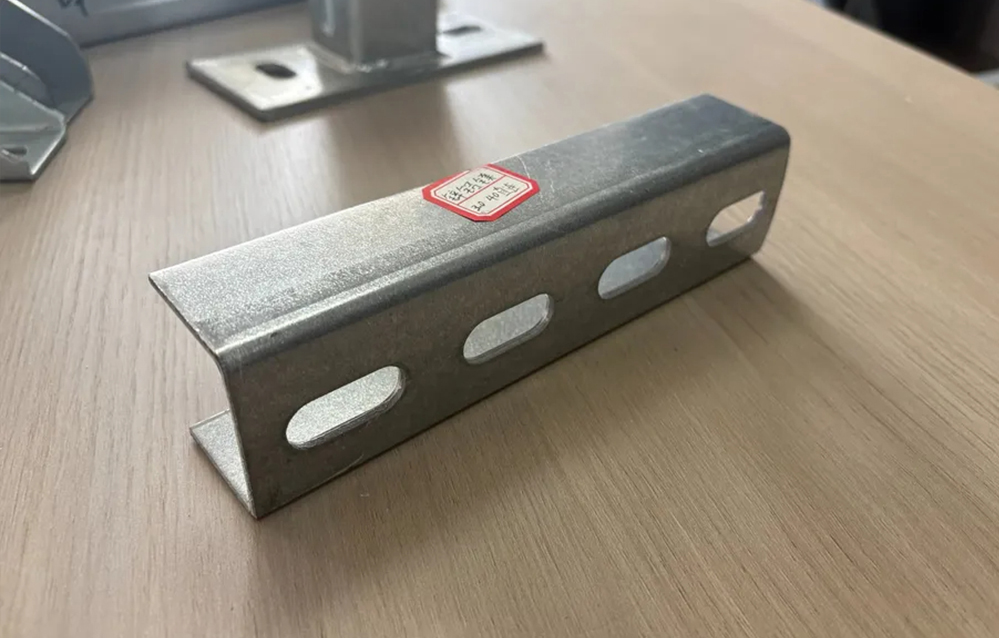
High Strength Heavy Duty Pre Galvanized Steel Solar Mounting Bracket for Ground Mount Systems
After-sales Service: 24-Hour Service