Aug.10,2026
Share
When considering a Solar Mounting System, understanding the durability and warranty standards is crucial for ensuring a long-lasting and effective installation. Whether you're a beginner venturing into solar energy or an experienced installer looking to upgrade your systems, I’m here to provide a structured guide that highlights key steps and strategies for you to follow. By focusing on durability, warranties, and the right mounting solutions, you can make an informed decision that meets both your needs and long-term expectations.
Step 1: Assess the Durability Standards
The first and most critical step in choosing a solar mounting system is evaluating its durability standards. Look for products adhering to established testing protocols, such as ASTM D4601 for durability and performance. I recommend obtaining data on the following specifications:
For instance, I once worked on a project with Huitai Photovoltaic, implementing their mounting systems in a region prone to high winds. The specifications truly stood out: precision manufacturing to 0.01mm and a 100% inspection rate during production ensured we avoided damage in storms.
Step 2: Evaluate Warranty Offerings
Next, dive deep into warranty offerings. A quality Solar Mounting Supplier should provide at least a 25-year warranty on the mounting system. Here are key factors to review:
In a different project, I chose Huitai Photovoltaic again because of their comprehensive 25-year limited warranty, which assured me that I would not incur extra costs related to mounting failures over the system's lifecycle.
Step 3: Conduct Lifecycle Analysis
Performing a lifecycle analysis on the chosen solar mounting system helps in determining its long-term value. You should look at:
An example from my experience: I installed Huitai’s systems that not only required minimal maintenance but were also designed for easy upgrades in the future – ideal for adapting to new solar technologies.
Step 4: Examine Real-World Cases
One of the best ways to affirm the choice of a mounting system is by reviewing real-world applications. For instance, a community solar project I was involved in used Huitai’s panels. After five years, the structure showed no signs of degradation, and maintenance remained minimal. The visual evidence of its resilience in harsh weather further solidified confidence in the product.
Tools and Resources for Your Journey
To facilitate your decision-making, consider utilizing online platforms that compare various solar mounting suppliers and their standards. Websites like SolarReviews provide user ratings and feedback that can help guide your choice based on real experiences.
Challenges and Solutions
Throughout the installation process, challenges such as supply chain disruptions and mounting errors could arise. To combat these issues:
Conclusion
To wrap it up, selecting an ideal solar mounting system revolves around understanding durability and warranty standards. Focus on confirmed material quality, robust warranty offerings, lifecycle analysis, and real-world success stories, especially from reputable suppliers like Huitai Photovoltaic. By following these guidelines, you will position yourself to make an informed decision that maximizes the benefits of your solar energy investment. Don’t hesitate to reach out to professionals when in doubt; the right support can help you overcome hurdles and ensure a successful installation. Your future solar projects deserve nothing less!
More News
Hot Products
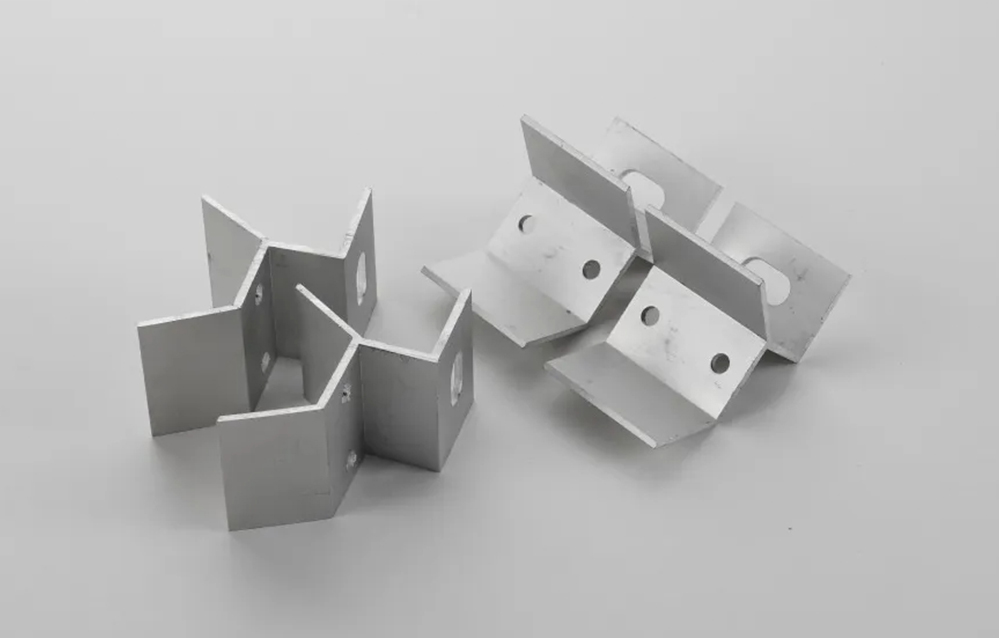
High Quality Metal Fabrication Clamps Solid Integral Stainless Steel Integrated Clamp A
Usage: Heavy Duty Clamp, Pipe Clamp, Glass Clamp
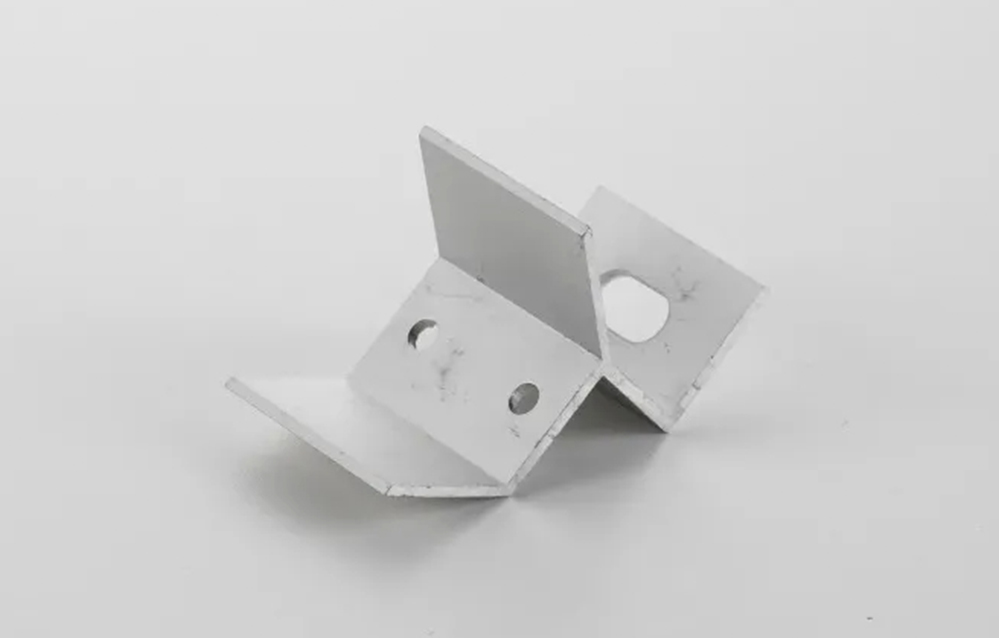
UV & Moisture Resistant Solar Panel Clamp with Custom Sizes
Customization: Available
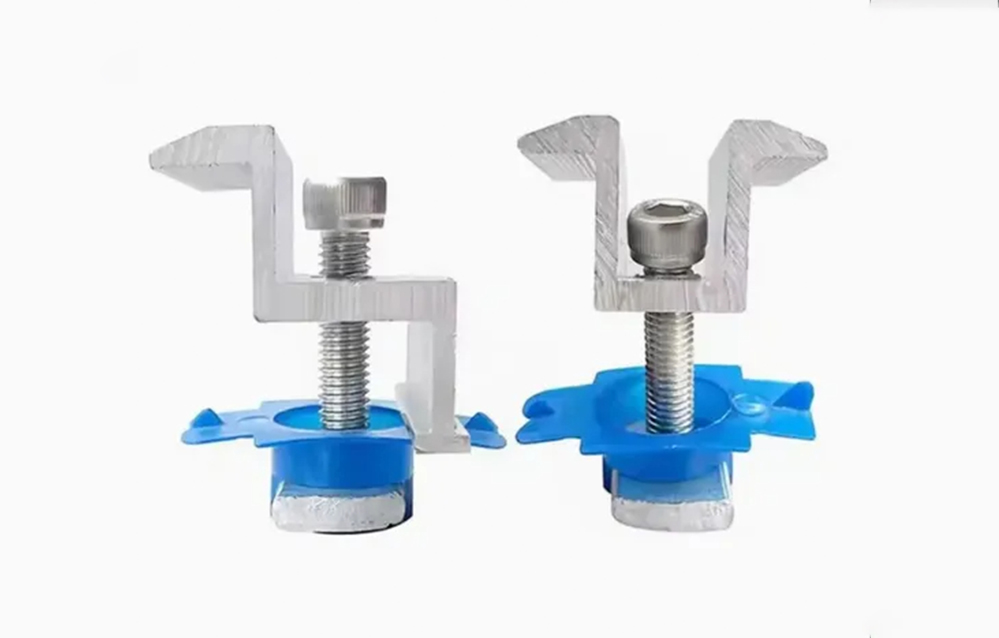
Reliable Solar Photovoltaic Medium Voltage Block with Aluminum Alloy
Material: Aluminum Alloy
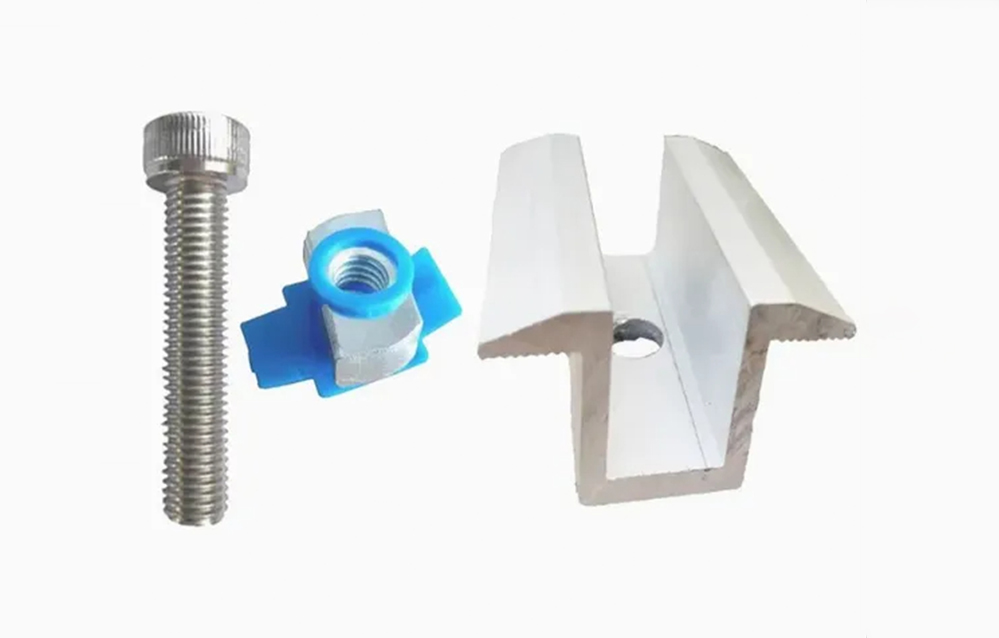
Solar Photovoltaic Panel Medium Voltage Block 50 Long
Material: Aluminum Alloy
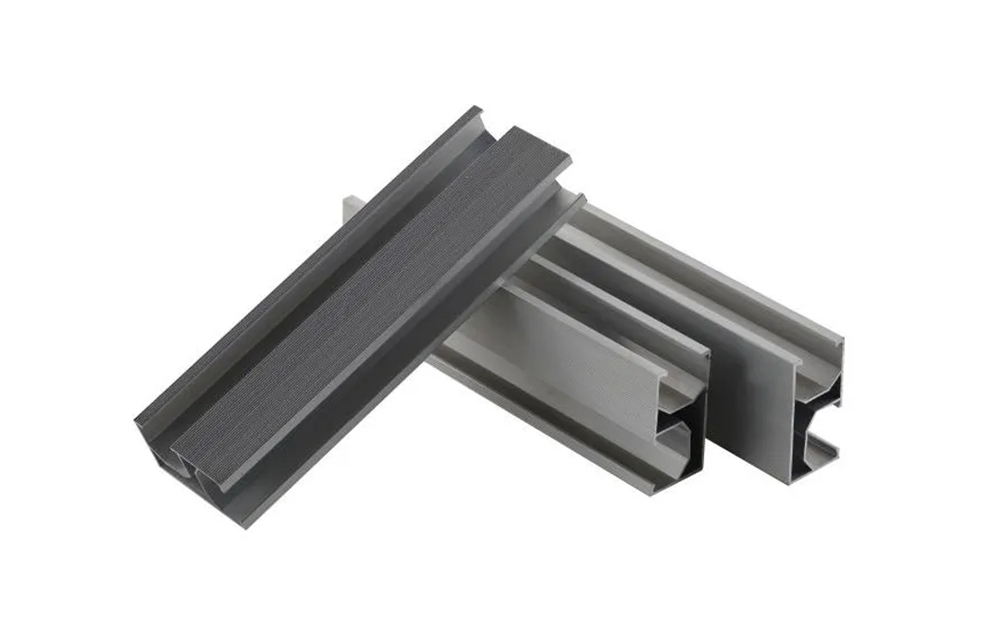
Premium Solar Panel Mounting Rail System for PV Installation
Customization: Available
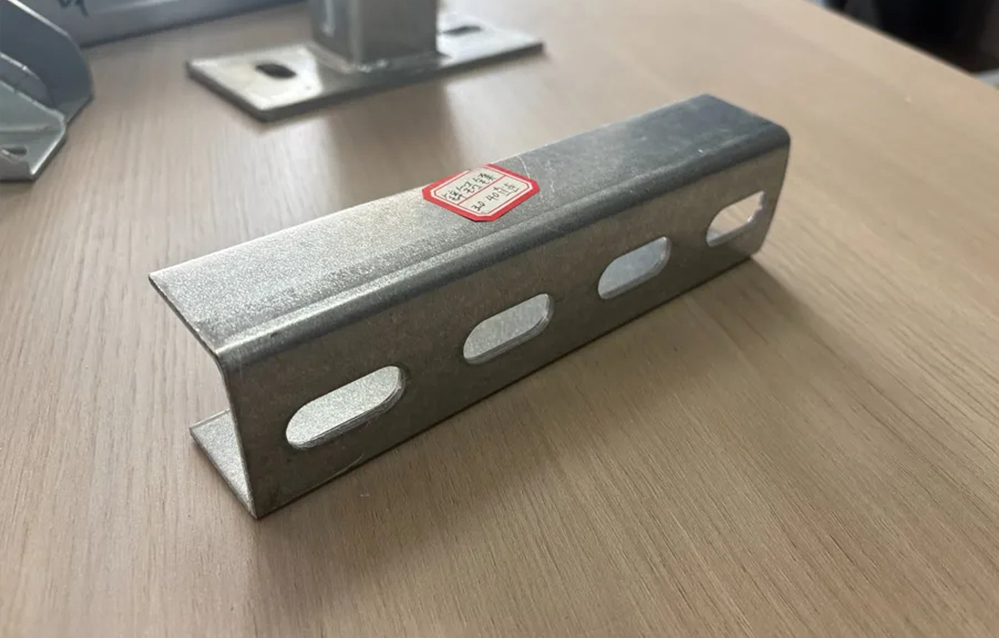
High Strength Heavy Duty Pre Galvanized Steel Solar Mounting Bracket for Ground Mount Systems
After-sales Service: 24-Hour Service