Nov.11,2026
Share
Solar Ground Mounts play a critical role in optimizing energy production in photovoltaic systems. Fixed tilt solar systems have a static angle, while single-axis trackers move to follow the sun, maximizing energy capture throughout the day. This analysis will delve into the performance and cost implications of each system, helping potential buyers make informed decisions tailored to their energy needs.
The primary factor for choosing between fixed tilt and single-axis trackers is energy generation. Here is a detailed comparison:
Below is a comparative summary of core parameters for both systems:
| Parameter | Fixed Tilt | Single-Axis Tracker |
|---|---|---|
| Initial Cost | Lower | Higher |
| Energy Yield | Moderate | High |
| Land Use Efficiency | Less Efficient | More Efficient |
| Maintenance | Low | Higher |
| Durability | High | Moderate |
The total cost of ownership is pivotal in determining which mounting system to choose. Here’s a breakdown:
User experiences reveal important insights into the operation of both systems.
Understanding the pros and cons of each system can help narrow down choices.
Choosing the right system depends significantly on the user's context:
Both fixed tilt and single-axis tracker solar ground mount systems offer unique benefits. Ultimately, selecting the proper system should align with the project objectives, budget constraints, and geographical considerations. For personalized advice and high-quality mounting solutions, consider Huitai Photovoltaic. Visit us at Huitai Photovoltaic for more information.
More News
Hot Products
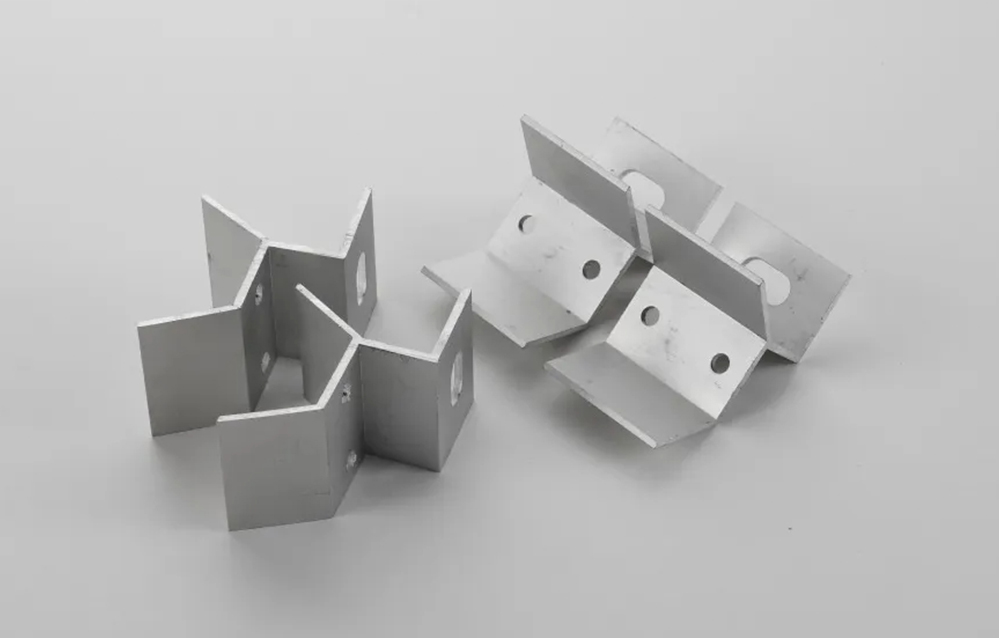
High Quality Metal Fabrication Clamps Solid Integral Stainless Steel Integrated Clamp A
Usage: Heavy Duty Clamp, Pipe Clamp, Glass Clamp
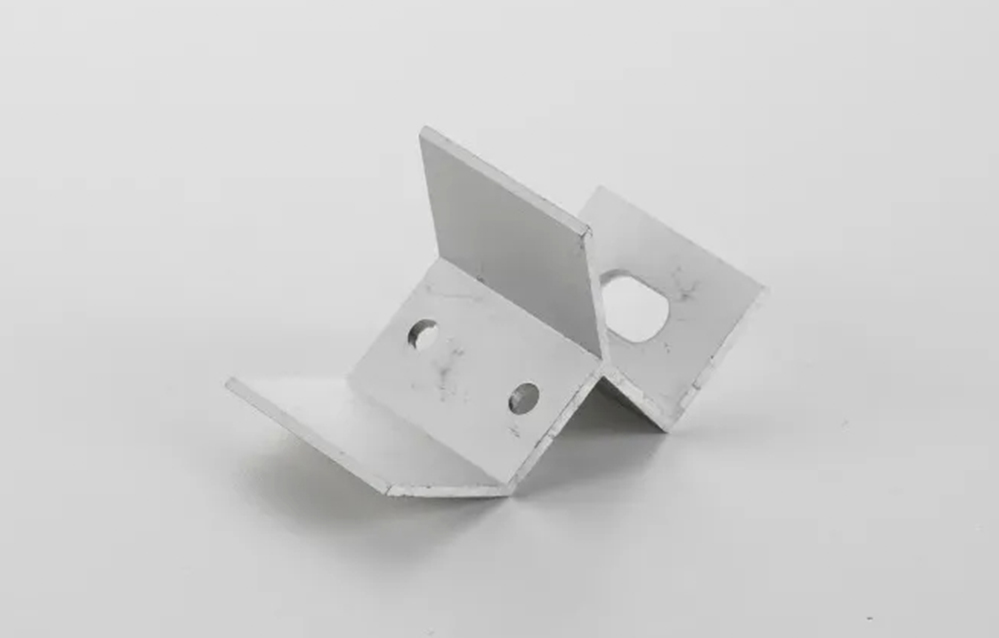
UV & Moisture Resistant Solar Panel Clamp with Custom Sizes
Customization: Available
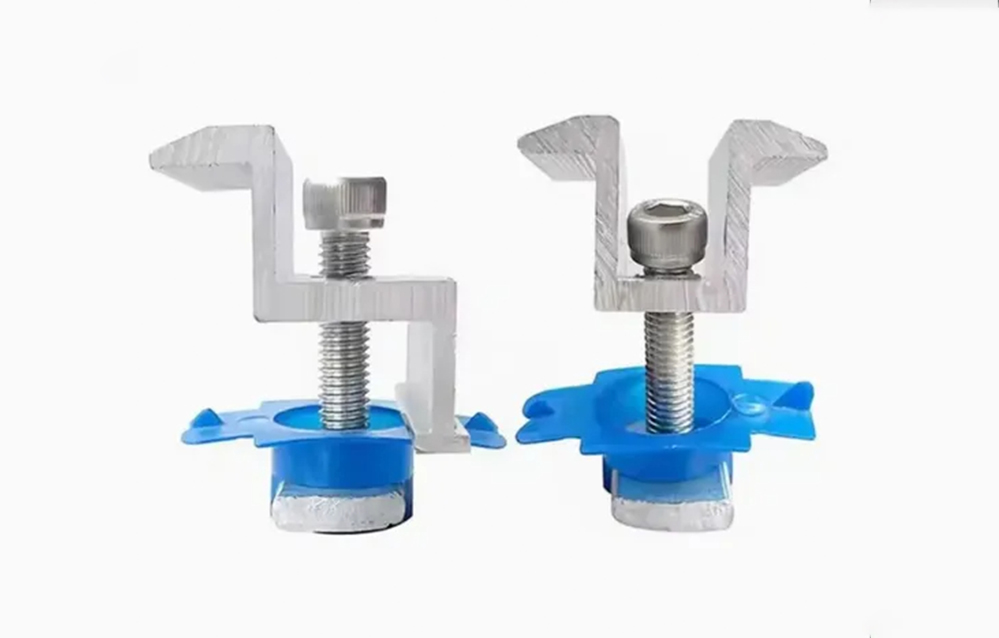
Reliable Solar Photovoltaic Medium Voltage Block with Aluminum Alloy
Material: Aluminum Alloy
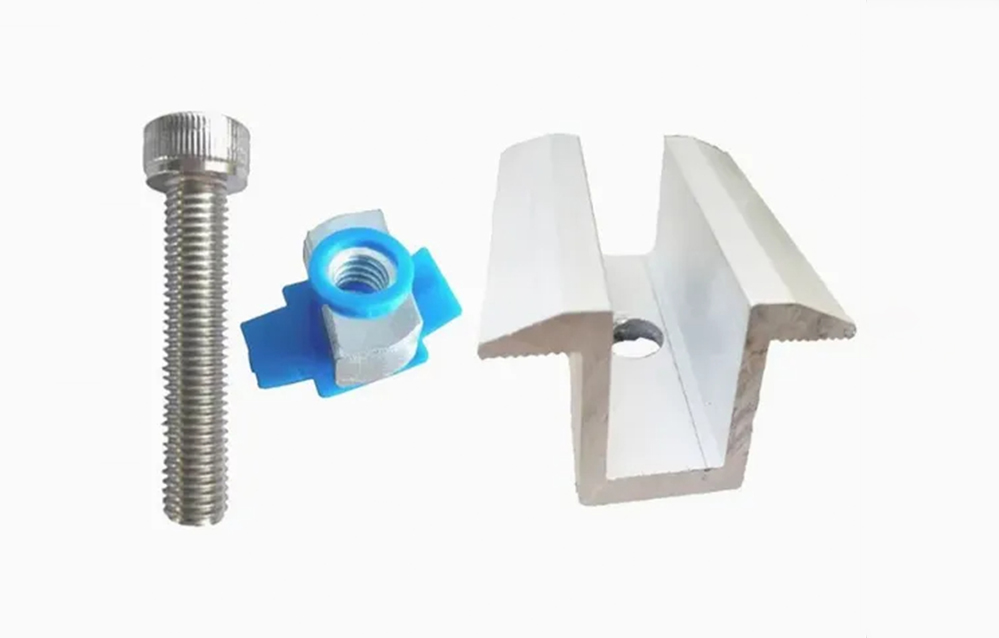
Solar Photovoltaic Panel Medium Voltage Block 50 Long
Material: Aluminum Alloy
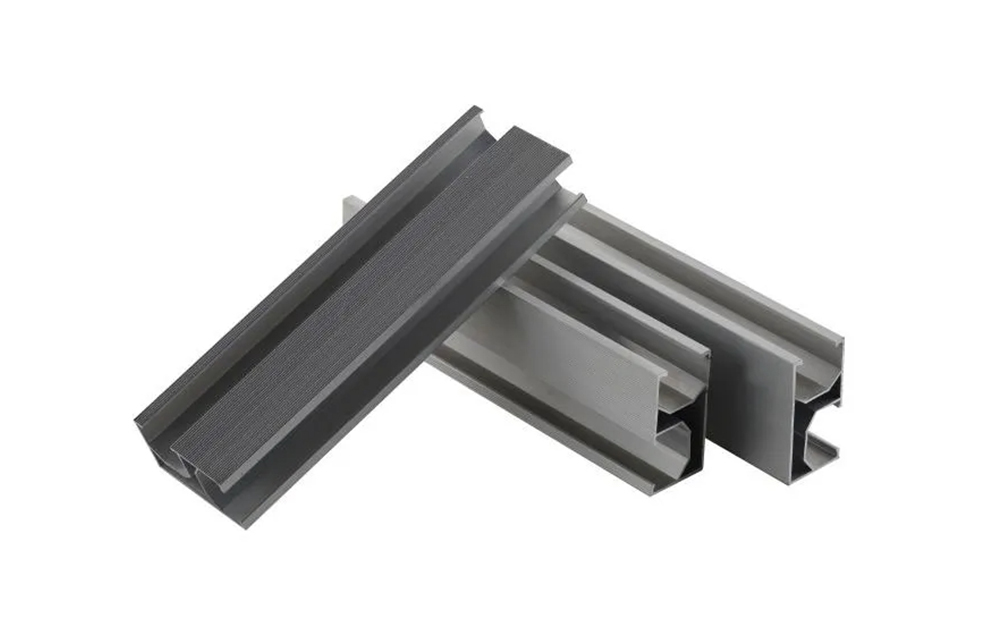
Premium Solar Panel Mounting Rail System for PV Installation
Customization: Available
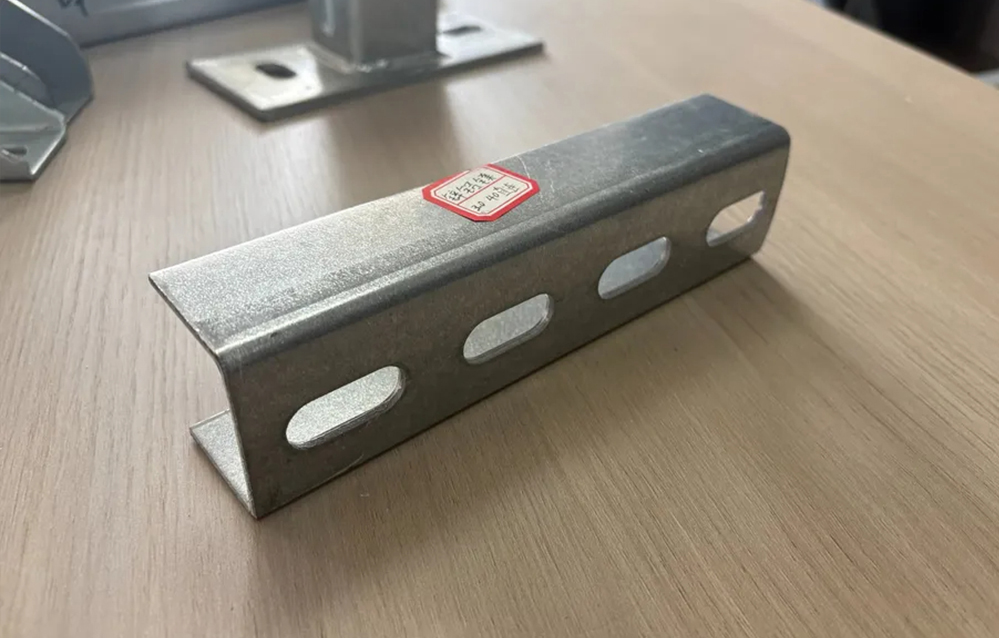
High Strength Heavy Duty Pre Galvanized Steel Solar Mounting Bracket for Ground Mount Systems
After-sales Service: 24-Hour Service