Sep.14,2026
Share
Understanding the compatibility of Flat Roof Solar Mounting Systems with various membrane types, such as EPDM, TPO, and PVC, is vital for ensuring the longevity and effectiveness of solar installations. This article will delve into these membrane types, guiding you through their characteristics, installation practices, potential challenges, and best mounting system options. By following these insights, you can optimize your solar installation on flat roofs with a focus on durability and efficiency.
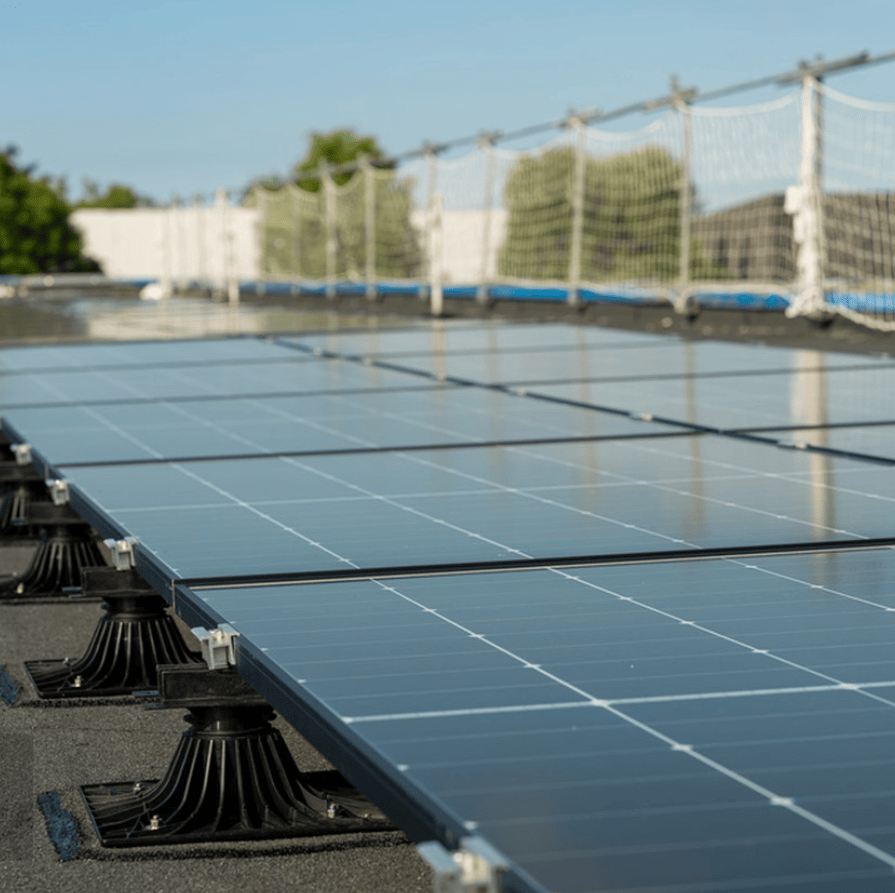
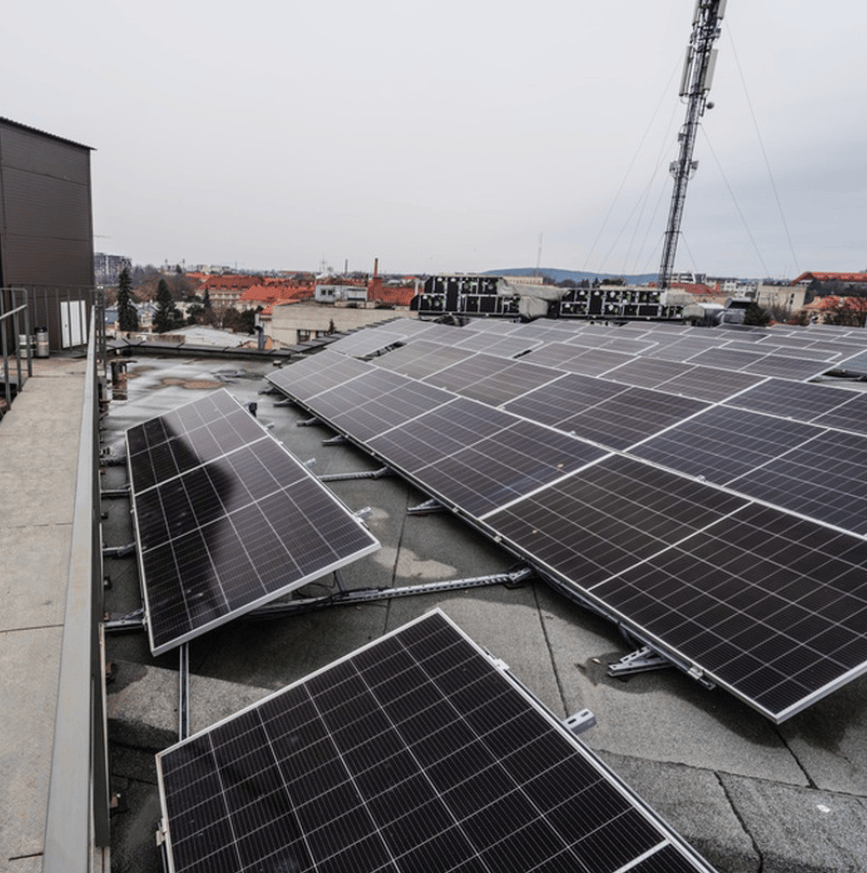
A flat roof solar mounting system is designed to securely hold solar panels in place on flat or slightly sloped roofs, maximizing solar energy capture without compromising the integrity of the roof structure.
There are primarily two types of flat roof solar mounting systems: ballasted and penetrative. Ballasted systems do not require roof penetration, which minimizes the risk of leaks, while penetrative systems provide more stability but can risk damaging the roofing membrane.
EPDM (Ethylene Propylene Diene Monomer) is a durable synthetic rubber used widely in flat roofing applications. It is known for its resistance to extreme weather conditions and UV light.
Utilize non-penetrating ballasted mounts where possible to maintain membrane integrity. Key considerations include:
TPO (Thermoplastic Olefin) membranes are known for their energy efficiency and ease of installation. They have a reflective surface which can help reduce energy costs.
When considering installation:
PVC (Polyvinyl Chloride) membranes provide excellent fire resistance, grease resistance, and durability, making them suitable for various applications, including areas with high foot traffic.
For PVC roofs, the following steps are advisable:
Before installation, inspect the roof to evaluate its condition, load-bearing capacity, and specific membrane type to determine the best mounting system.
Always adhere to the manufacturer's installation guidelines for both the solar mounting system and roofing membrane to prevent voiding warranties.
To avoid puncturing membranes, use non-penetrating mounting systems whenever possible. If penetrative systems are necessary, consistently evaluate sealing techniques and consider using repair kits as needed.
Ensure that the weight of the mounting system and solar panels is evenly distributed to avoid localized stress on the membrane. Regular maintenance checks can help identify potential issues early.
In summary, the compatibility of flat roof solar mounting systems with EPDM, TPO, and PVC membranes depends heavily on the specific characteristics of each membrane. Utilizing the appropriate mounting system, following best installation practices, and adhering to manufacturer guidelines will help ensure a successful solar installation. For more detailed solutions and products, visit Huitai Photovoltaic.
Plan for periodic evaluations of both the solar panels and roofing membranes to ensure lasting performance.
Ensure compliance with local building regulations and codes to avoid costly penalties and ensure safety standards.
Hot Products
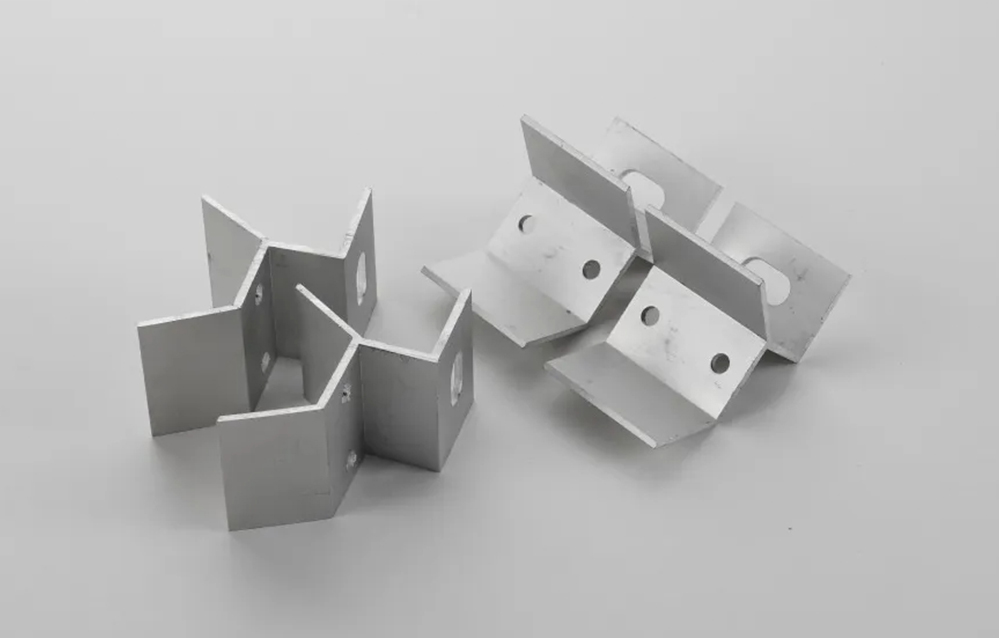
High Quality Metal Fabrication Clamps Solid Integral Stainless Steel Integrated Clamp A
Usage: Heavy Duty Clamp, Pipe Clamp, Glass Clamp
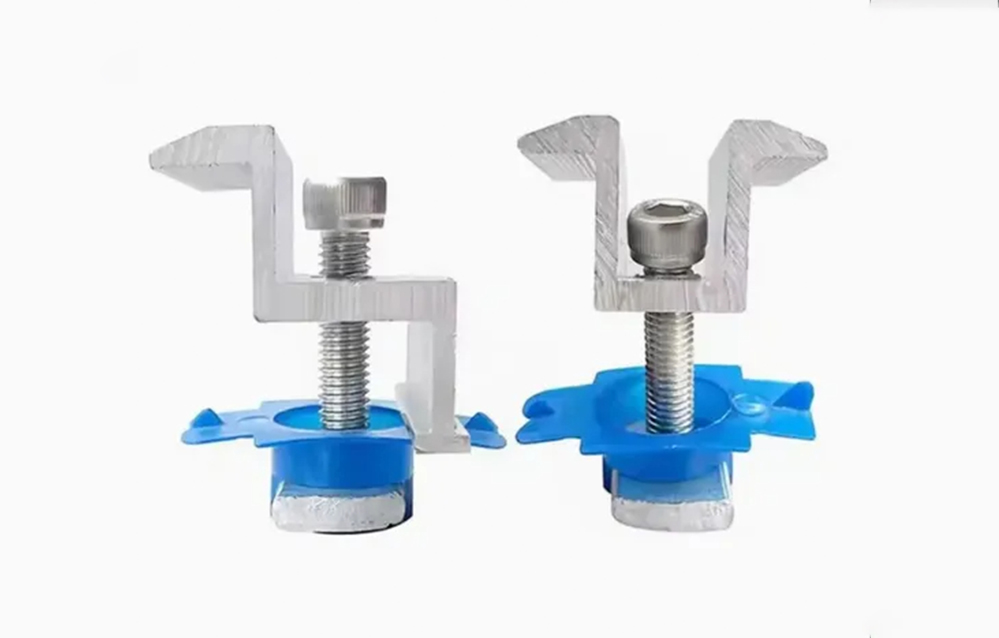
Reliable Solar Photovoltaic Medium Voltage Block with Aluminum Alloy
Material: Aluminum Alloy
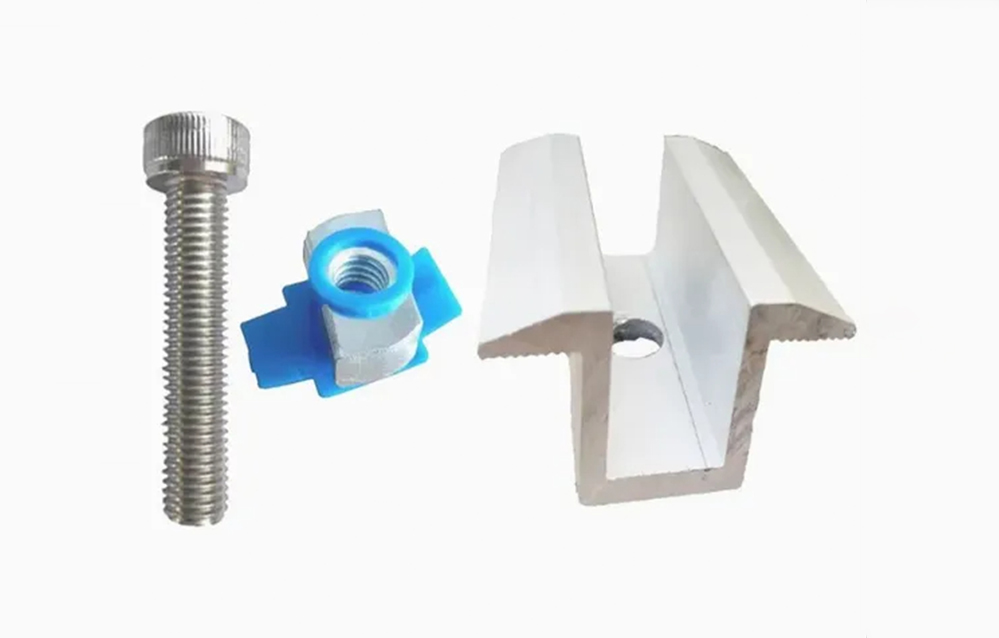
Solar Photovoltaic Panel Medium Voltage Block 50 Long
Material: Aluminum Alloy
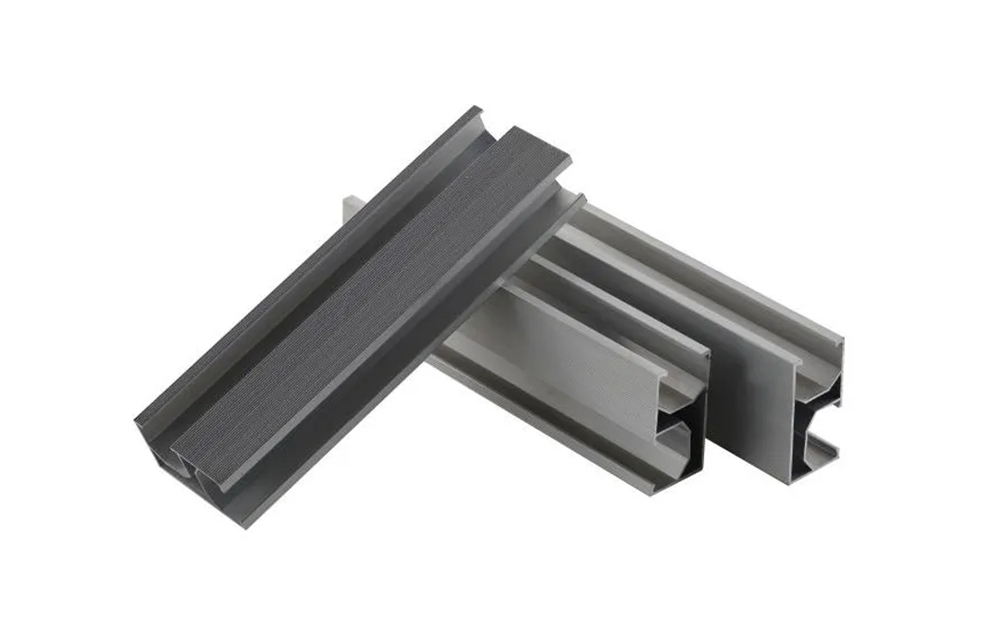
Premium Solar Panel Mounting Rail System for PV Installation
Customization: Available
Easy-Install Protective Cover Durable Rust-Proof Solar Panel Rail Cover for Rooftop/Ground PV Rails
Customization: Available
Custom Tailored Aluminum Solar Panels Rails for Rooftop/Ground PV Systems
Customization: Available