Nov.12,2026
Share
When considering foundation options for Solar Ground Mounts, navigating the complexities of driven piles, concrete ballasts, and helical screws can be daunting, whether you're a novice or a seasoned industry player. As I dive into the details, my goal is to provide a structured, step-by-step approach that equips you to make informed decisions and achieve optimal results for your solar projects—powered by Huitai Photovoltaic.
Driven Piles: This method employs pre-made piles driven into the soil to support solar panels. The significant advantage of driven piles is their rapid installation and minimal site disturbance. For optimal results, precision is critical; installations should maintain a tolerance to within 0.01mm to ensure load-bearing capacity.
Concrete Ballasts: Ideal for sandy or unstable soils, concrete ballasts eliminate the need for deep foundations. While they can be easily installed, the overall weight must be calculated carefully to prevent shifting or subsiding. This method typically requires adherence to ASTM standards for concrete integrity.
Helical Screws: These screw-like stabilizers are drilled into the ground, providing strong support and quick installation. They are especially effective in areas where traditional foundations might be impractical. The key here is to ensure your installation meets local building codes, which can vary significantly by region.
Site Assessment:
Select Your Foundation Type:
Engage a Certified Solar Mounting Supplier:
Project Planning:
Implement Installation:
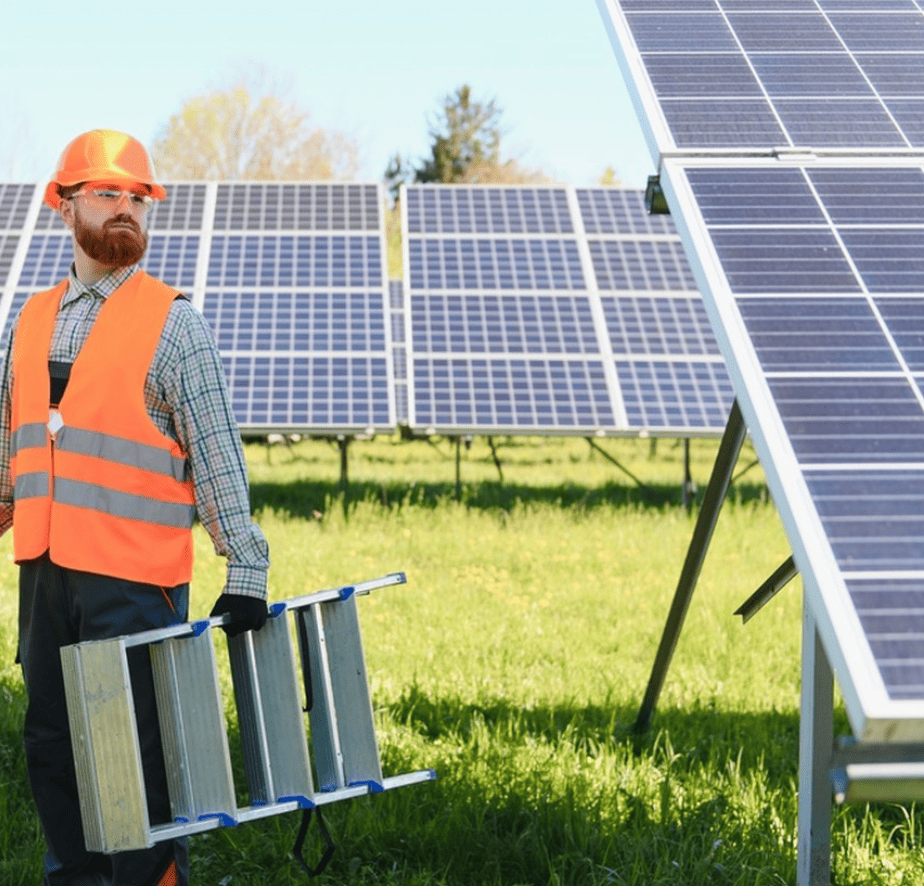
Consider a recent project conducted by Huitai Photovoltaic that utilized a combination of driven piles and helical screws. The site, characterized by varied soil conditions, allowed for minimal delays due to the diversity in mounting strategies. The installation not only enhanced energy generation but also integrated seamlessly into local environmental standards. Feedback highlighted a remarkable 20% increase in efficiency over previous installations where traditional methods were employed.
Expect potential challenges such as unexpected soil conditions or equipment shortages. An adaptive project management strategy can mitigate these issues. Structured communication with your supplier helps keep stakeholders informed of changes, ensuring that your installation remains on track.
In summation, using the right foundation options for solar ground mounts—whether driven piles, concrete ballasts, or helical screws—requires careful planning and execution. By understanding the unique properties of each foundation type and employing a methodical approach, you can enhance the stability and longevity of your solar installations. I encourage you to leverage the insights shared here and to connect with a trusted Solar Mounting Supplier like Huitai Photovoltaic for successful project implementations. The future of solar energy is promising—let’s build a strong foundation!

Hot Products

High Quality Metal Fabrication Clamps Solid Integral Stainless Steel Integrated Clamp A
Usage: Heavy Duty Clamp, Pipe Clamp, Glass Clamp

UV & Moisture Resistant Solar Panel Clamp with Custom Sizes
Customization: Available
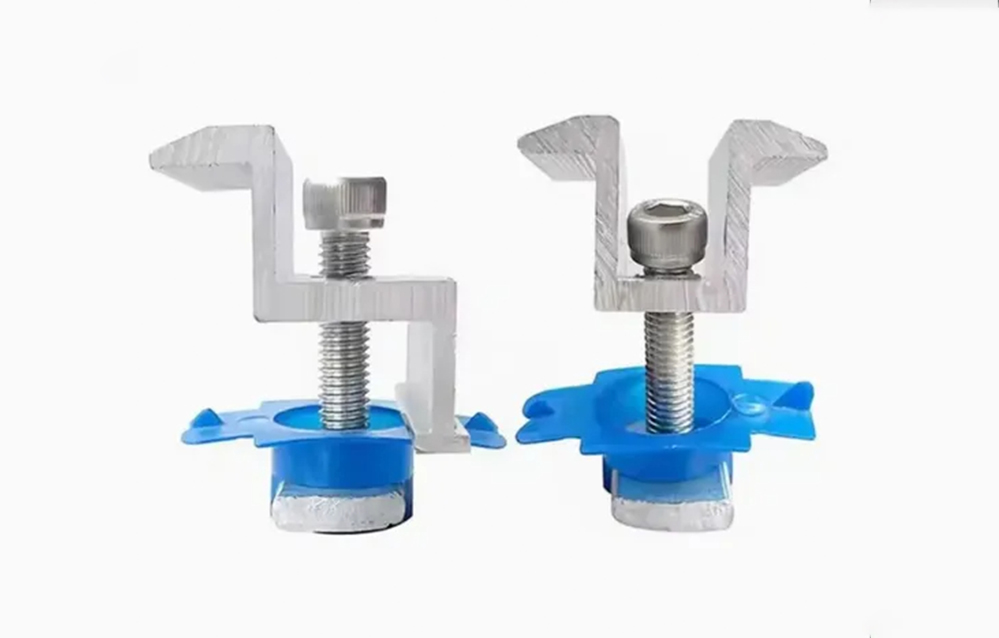
Reliable Solar Photovoltaic Medium Voltage Block with Aluminum Alloy
Material: Aluminum Alloy
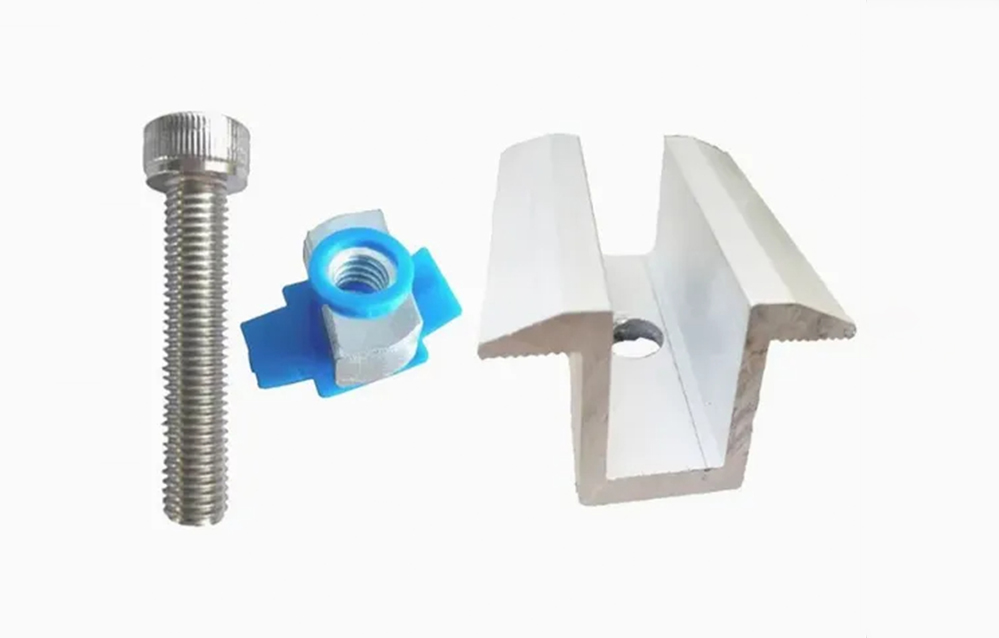
Solar Photovoltaic Panel Medium Voltage Block 50 Long
Material: Aluminum Alloy
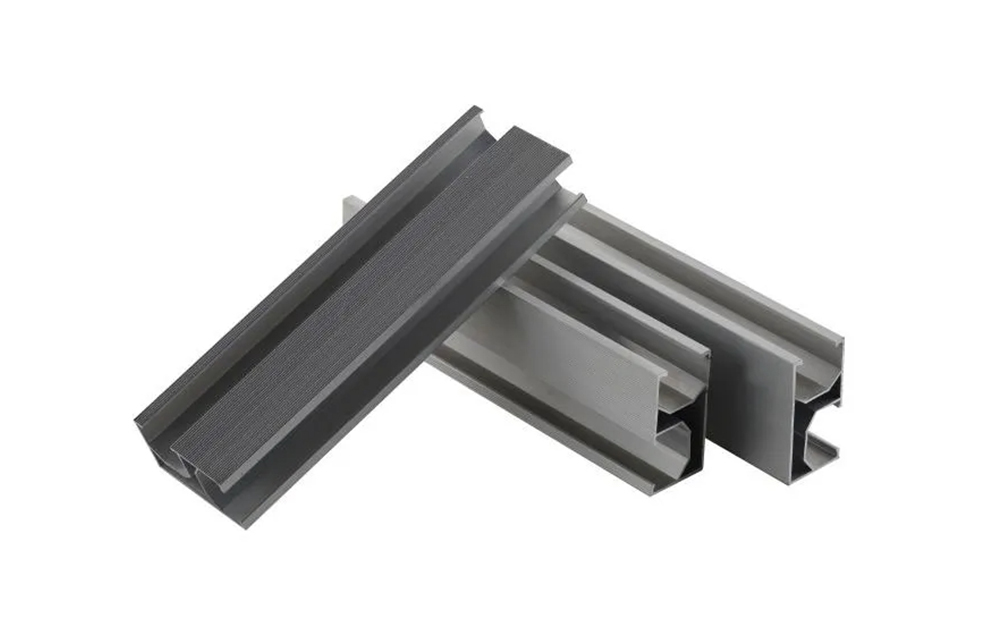
Premium Solar Panel Mounting Rail System for PV Installation
Customization: Available
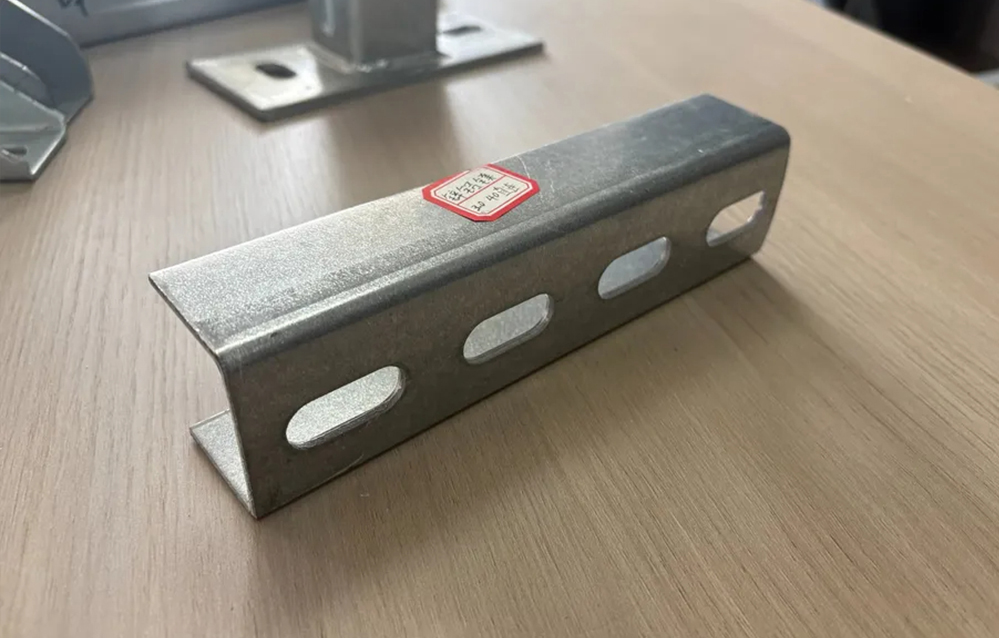
High Strength Heavy Duty Pre Galvanized Steel Solar Mounting Bracket for Ground Mount Systems
After-sales Service: 24-Hour Service