Oct.05,2026
Share
Tile roof mounting systems are essential for installing solar panels securely. There are two primary types: hook-based systems, which attach directly to the rafters of a roof, and rail-based systems, which utilize rails to support the panels. Each system has its advantages and limitations based on design, material, and installation technique.
| Feature | Hook-Based Systems | Rail-Based Systems |
|---|---|---|
| Installation Time | Typically Faster | Longer due to rail alignment |
| Weight Capacity | Variable; depends on hook design | Generally higher capacity with robust rails |
| Wind Resistance | Moderate | High due to distributed load |
| Simplicity of Design | More straightforward | More complex with multiple components |
Real-world experiences with both systems reveal notable differences:
When considering hook vs. rail-mounted systems, it's crucial to weigh the following:
Your choice between hook and rail-based tile roof solar mounting systems should hinge on specific needs:
Ultimately, both hook and rail-based systems serve the purpose of mounting solar panels on tile roofs, but each caters to distinct requirements and preferences. Factors such as installation time, stability, and environmental conditions must be weighed thoroughly. If you are in need of a reliable solar mounting solution, consider Huitai Photovoltaic for high-quality product offerings. For more detailed assistance, visit here.
More News
Hot Products

High Quality Metal Fabrication Clamps Solid Integral Stainless Steel Integrated Clamp A
Usage: Heavy Duty Clamp, Pipe Clamp, Glass Clamp
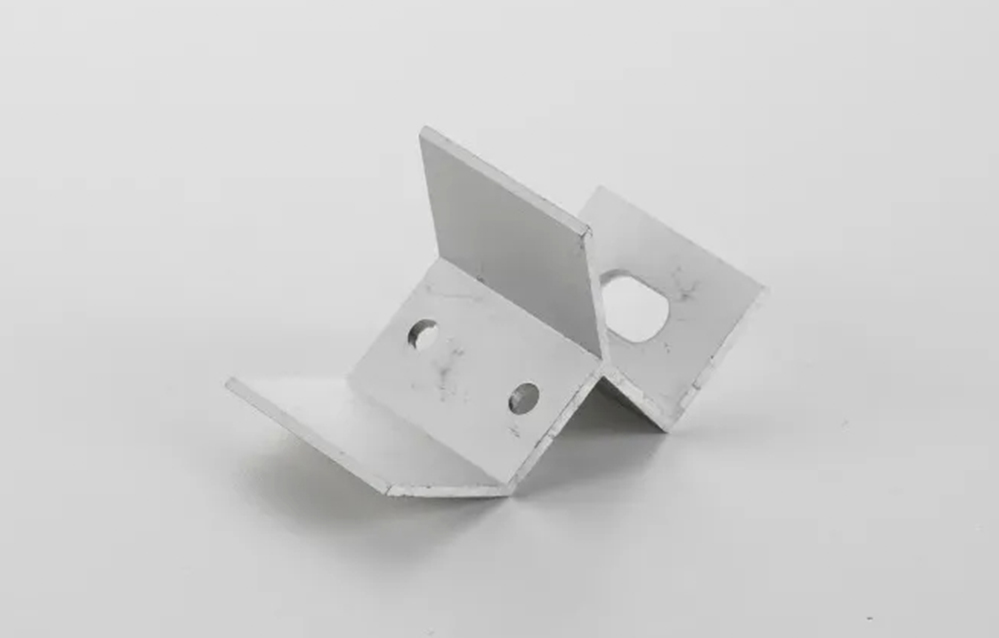
UV & Moisture Resistant Solar Panel Clamp with Custom Sizes
Customization: Available
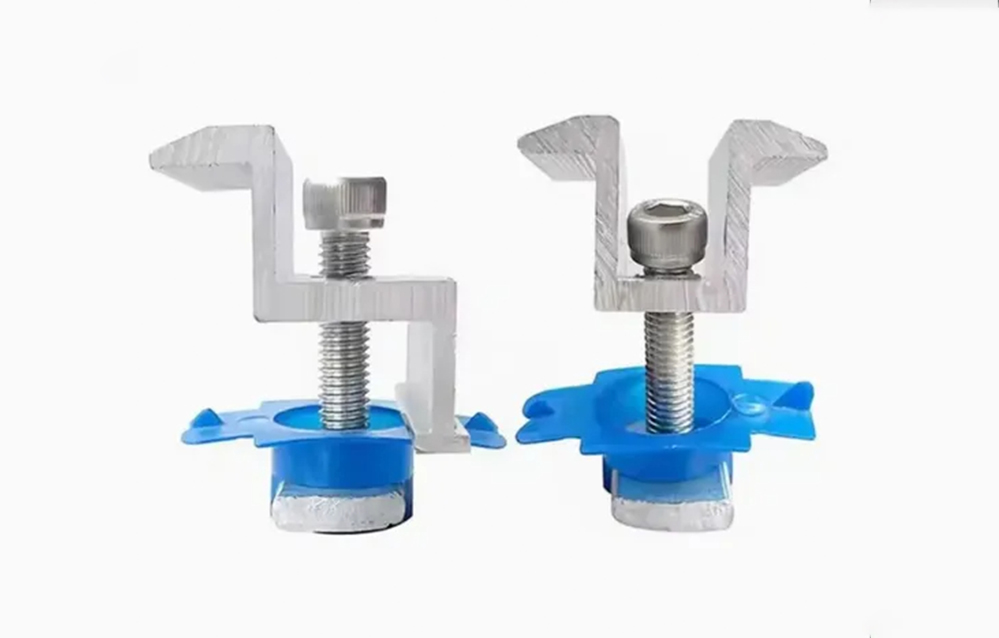
Reliable Solar Photovoltaic Medium Voltage Block with Aluminum Alloy
Material: Aluminum Alloy
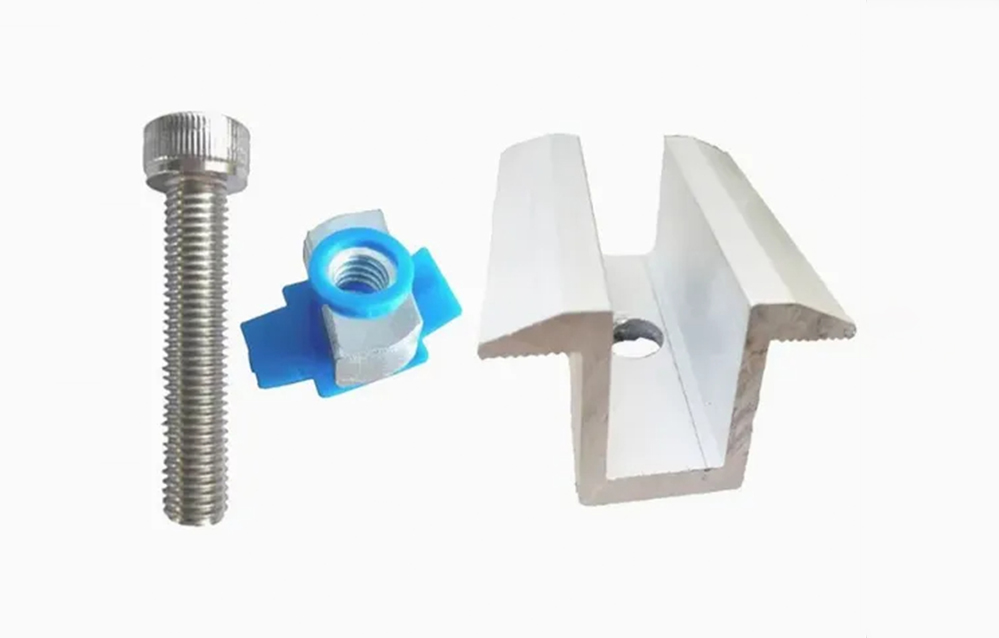
Solar Photovoltaic Panel Medium Voltage Block 50 Long
Material: Aluminum Alloy
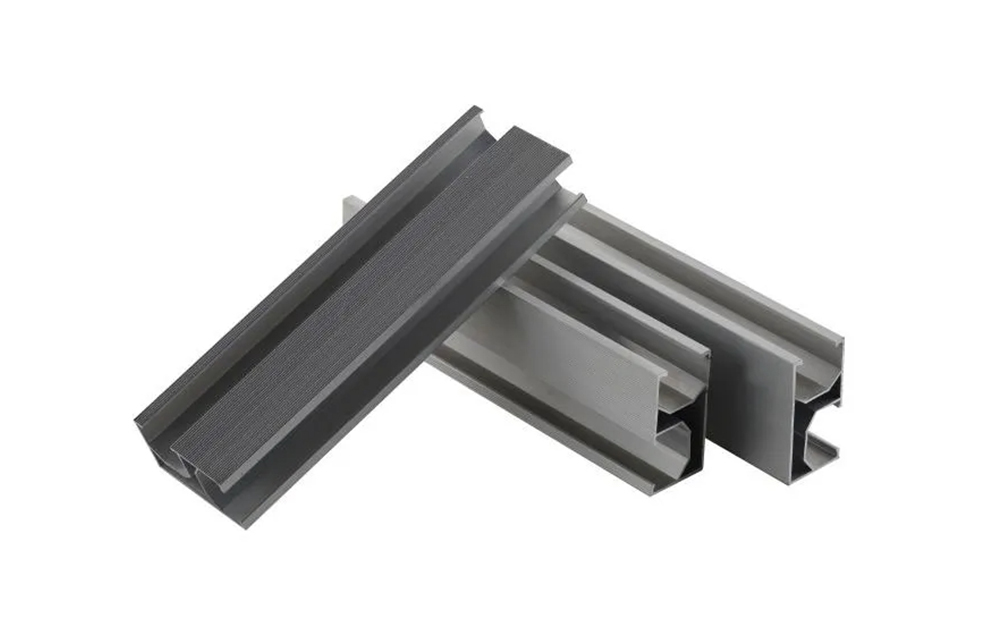
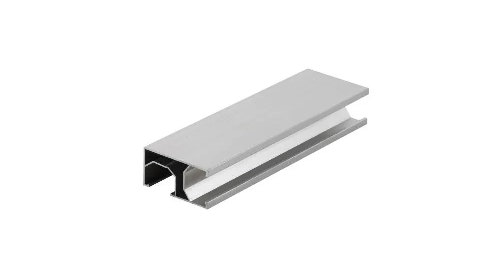
Premium Solar Panel Mounting Rail System for PV Installation
Customization: Available
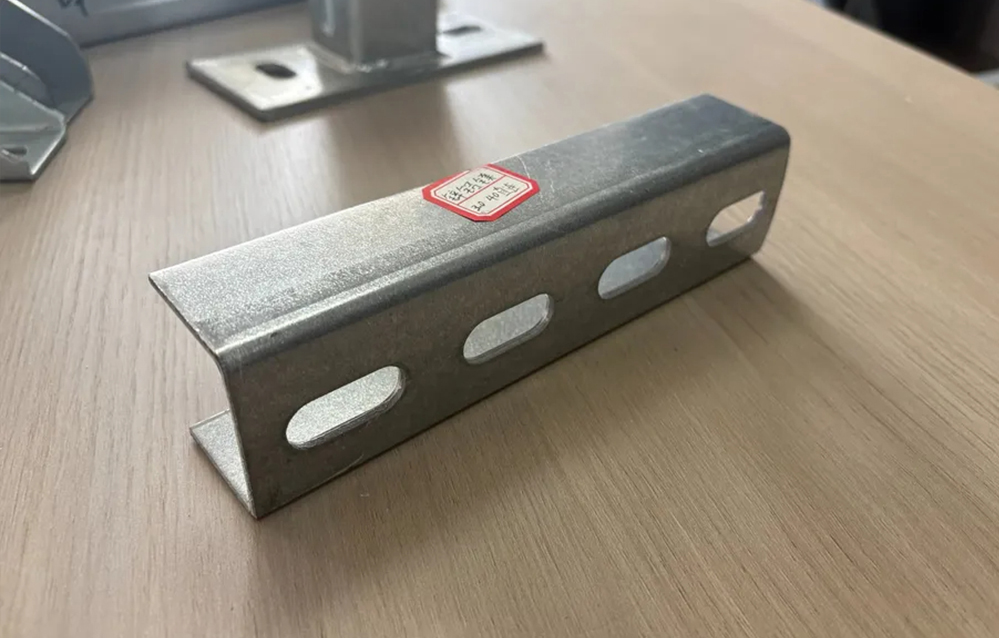
High Strength Heavy Duty Pre Galvanized Steel Solar Mounting Bracket for Ground Mount Systems
After-sales Service: 24-Hour Service