Sep.14,2026
Share
Parking areas occupy significant amounts of land but often provide little productive use beyond vehicle storage.
A solar carport changes this equation by placing photovoltaic panels above parking spaces.
Instead of using additional land for a ground-mounted solar array, a solar carport can combine:
Vehicle parking
Solar electricity generation
Shade
Weather protection
EV charging infrastructure
Commercial energy management
For commercial property owners, factories, hotels, shopping centers, offices, and residential developments, this creates a useful dual-purpose infrastructure investment.
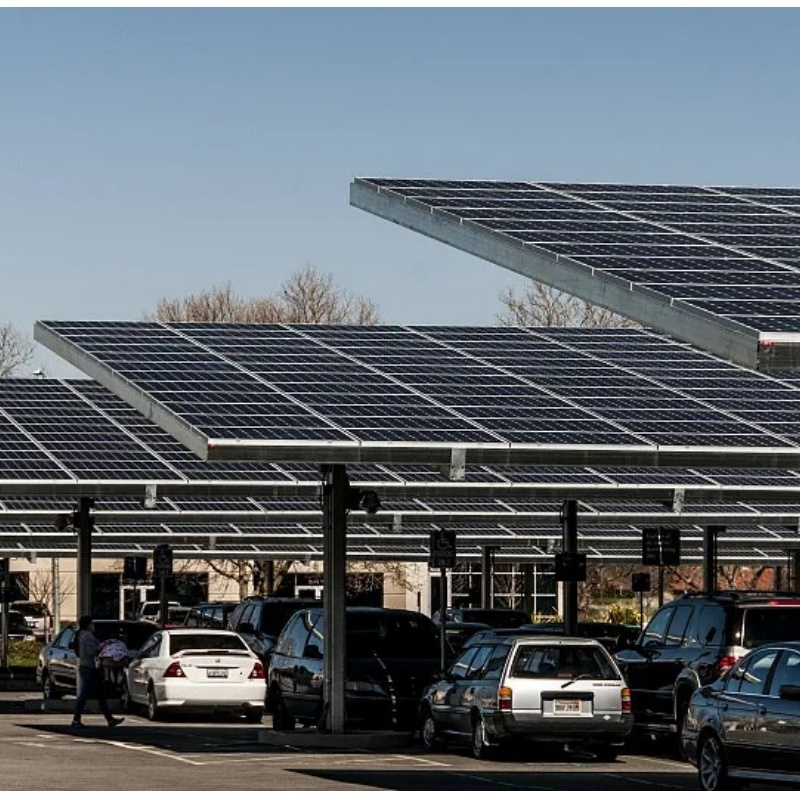
A solar carport mounting system supports photovoltaic modules above a parking area.
Unlike a conventional ground-mounted solar structure, the system must accommodate both solar loads and vehicle-related spatial requirements.
The structural design needs to consider:
Parking bay dimensions
Vehicle height
Driveway clearance
Column positions
Roof drainage
Wind loads
Snow loads
Panel orientation
Electrical cable routing
Maintenance access
Huitai's product portfolio includes solar carport mounting systems as a dedicated PV mounting category.
A conventional ground-mounted system can usually place structural posts wherever the PV array layout requires.
A carport cannot.
Columns must be positioned so they do not interfere excessively with:
Parking spaces
Vehicle doors
Driving lanes
Pedestrian routes
Emergency access
Charging stations
This makes structural optimization particularly important.
Shopping centers, supermarkets, office buildings, and retail properties may have large parking areas suitable for solar canopies.
The generated electricity can potentially support building loads or EV charging.
Factories may use solar carports to generate power while providing shade for employee and fleet parking.
Hotel parking areas can become part of the property's renewable-energy infrastructure while improving guest vehicle comfort.
Solar carports can be coordinated with electric vehicle charging equipment.
The PV system may supply part of the charging demand, although actual energy performance depends on system size, electricity consumption, storage, grid connection, and local solar conditions.
A commercial solar carport RFQ should include:
Parking layout
Number of vehicles
Vehicle dimensions
Required clearance height
Panel dimensions
Panel quantity
Wind speed
Snow load
Seismic conditions
Drainage requirements
Lighting requirements
EV charger locations
Foundation conditions
These parameters influence the column arrangement and overall structural design.
| Factor | Solar Carport | Ground Mount |
|---|---|---|
| Primary land use | Parking + PV | PV |
| Vehicle protection | Yes | No |
| Land utilization | Dual purpose | Dedicated energy area |
| Column constraints | High | Lower |
| Construction complexity | Higher | Generally simpler |
| EV charging integration | Convenient | Requires additional infrastructure |
| Best application | Parking areas | Open land |
A solar carport may have higher structural costs than a conventional ground-mounted system, but it can create additional value from an existing parking area.
Solar panels form a large elevated roof surface.
Rainwater therefore needs to be controlled rather than allowed to fall unpredictably into parking and pedestrian areas.
A commercial solar carport may require:
Gutters
Downpipes
Drainage outlets
Defined water collection points
Corrosion-resistant components
Drainage should be considered during structural and architectural design rather than added after installation.
Yes, solar carports can be designed around EV charging areas.
However, the PV array should not be treated as automatically capable of supplying all charging demand.
The actual system design may need to include:
PV capacity
Grid connection
EV charger power
Battery storage
Energy management
Peak demand
Parking duration
Daily electricity consumption
For commercial projects, solar mounting, electrical engineering, and EV infrastructure should therefore be coordinated from the beginning.
Solar carports may experience long-term exposure to rain, UV radiation, wind, snow, and vehicle-related environmental conditions.
Material selection can therefore affect lifecycle performance.
Huitai supplies aluminum alloy and galvanized steel solar mounting components, including rails, brackets, clamps, bases, fasteners, and related accessories. Its customization service also covers material selection and surface treatment.
For a carport project, buyers should evaluate:
Structural material
Corrosion protection
Fastener material
Surface treatment
Connection design
Drainage components
Expected environmental exposure
After installation, facility managers may pay particular attention to:
Whether columns interfere with parking
Vehicle clearance
Water drainage
Ease of cleaning
Lighting integration
EV charger accessibility
Structural stability
Appearance
Maintenance access
These practical considerations can strongly affect user acceptance.
A solar carport should therefore be evaluated as both an energy system and a parking facility.
Huitai Photovoltaic provides solar carport mounting systems alongside roof mounting, ground mounting, balcony solar mounting, and PV accessories. The company also supports customized solar mounting components and one-stop procurement.
Its manufacturing infrastructure includes more than 42,000 square meters of factories and warehouses, with production facilities and quality inspection processes designed to support PV component manufacturing.
For commercial carport projects, buyers can work with Huitai on structural component customization according to parking layout, panel specifications, environmental conditions, and project requirements.
Yes. Solar carport structures can be designed for existing parking areas, but the parking geometry, foundations, underground utilities, vehicle access, and local codes must be evaluated.
The structural design can be more complex because the system must also function as a parking canopy. However, the project may provide additional value through land-use efficiency, shading, and EV charging integration.
Yes. EV charging can be integrated into the project, with the PV system, grid connection, battery storage, and charging demand evaluated as a complete energy system.
Yes. A large canopy should include an appropriate rainwater management strategy.
Planning a solar carport for a commercial parking lot, factory, hotel, office, residential development, or EV charging site?
Provide the parking layout, vehicle dimensions, number of parking spaces, panel specifications, project location, wind and snow conditions, and EV charging requirements.
Huitai Photovoltaic can develop a customized solar carport mounting solution for your project.
Hot Products
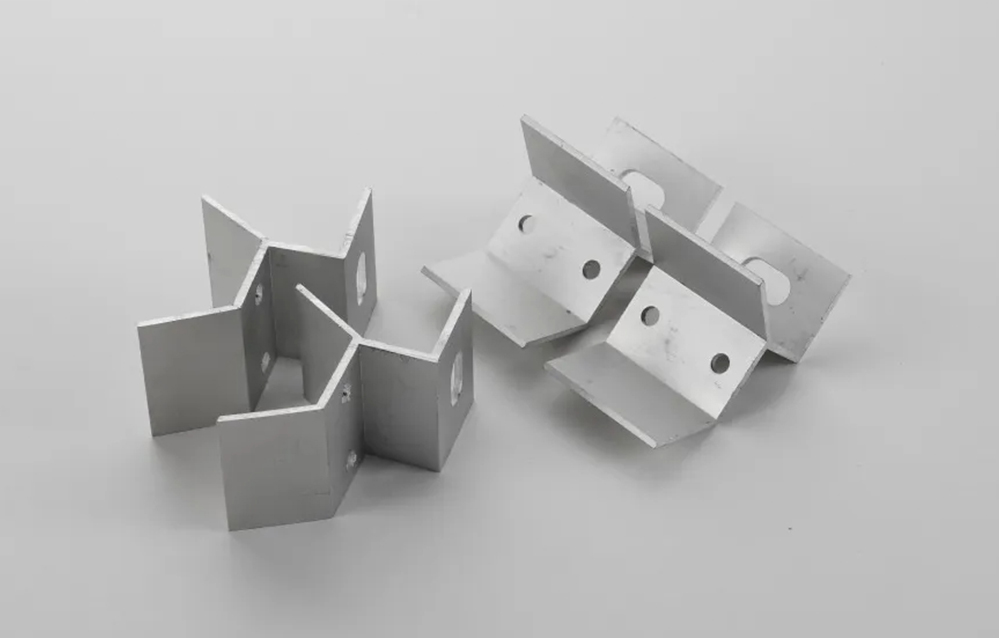
High Quality Metal Fabrication Clamps Solid Integral Stainless Steel Integrated Clamp A
Usage: Heavy Duty Clamp, Pipe Clamp, Glass Clamp
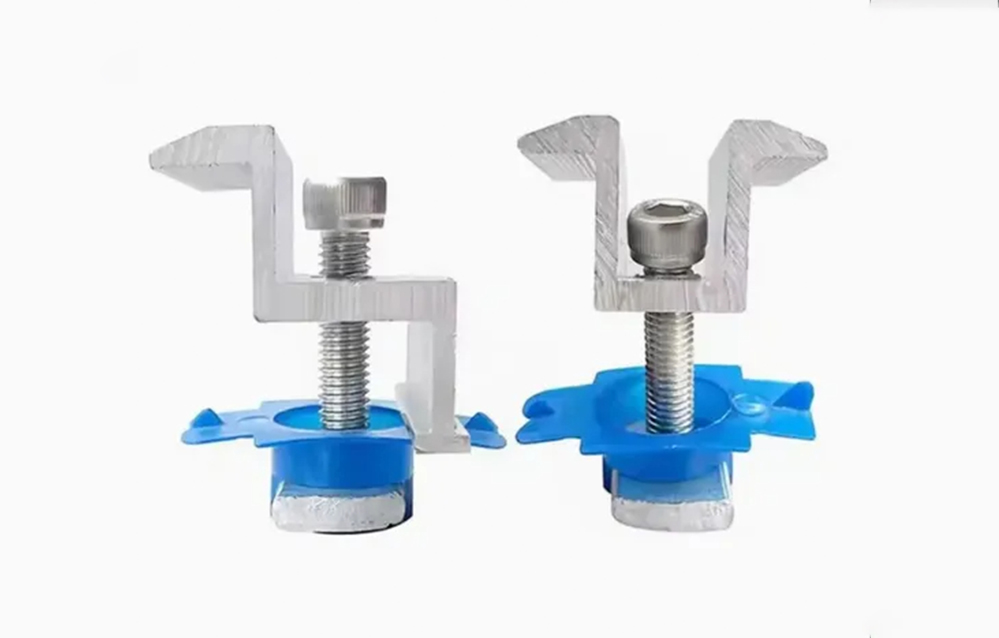
Reliable Solar Photovoltaic Medium Voltage Block with Aluminum Alloy
Material: Aluminum Alloy
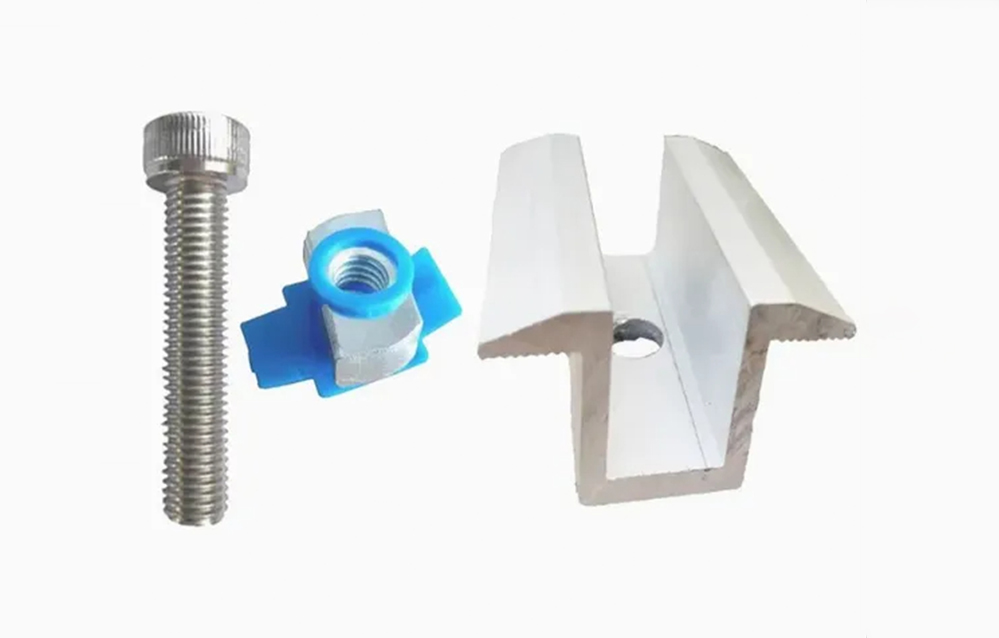
Solar Photovoltaic Panel Medium Voltage Block 50 Long
Material: Aluminum Alloy
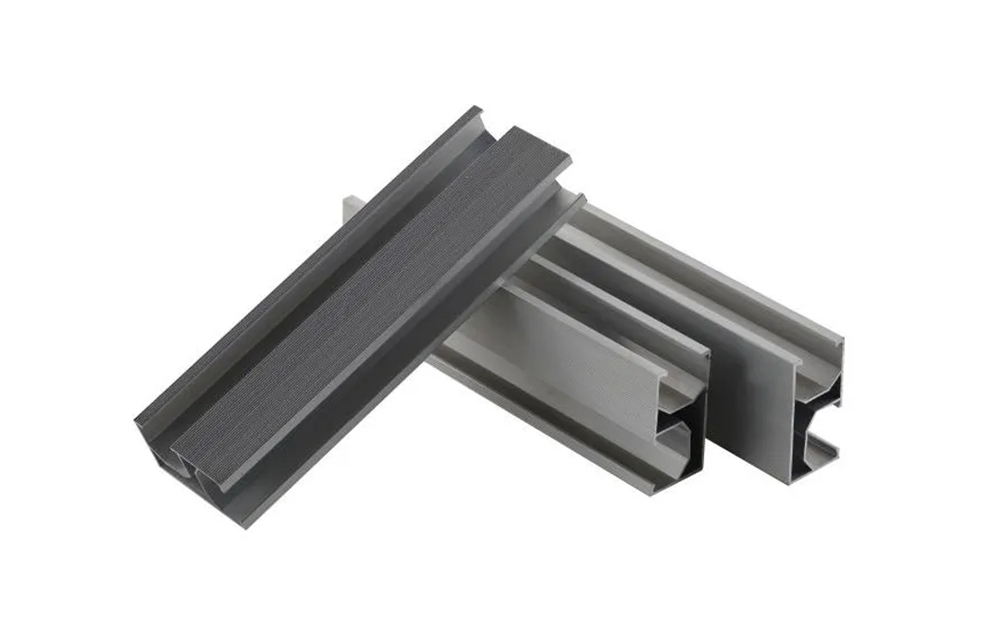
Premium Solar Panel Mounting Rail System for PV Installation
Customization: Available
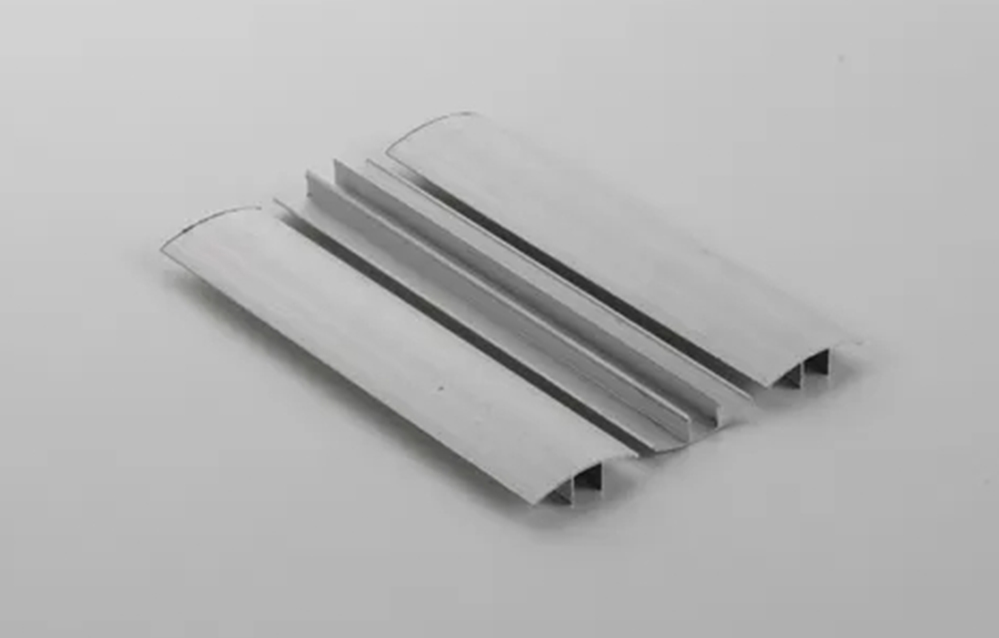
Easy-Install Protective Cover Durable Rust-Proof Solar Panel Rail Cover for Rooftop/Ground PV Rails
Customization: Available
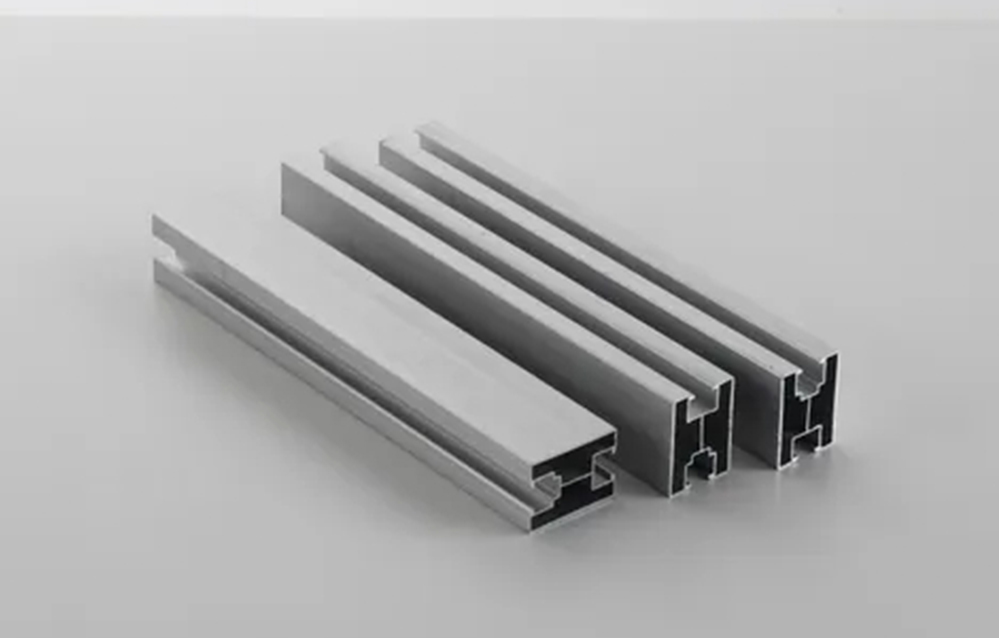
Custom Tailored Aluminum Solar Panels Rails for Rooftop/Ground PV Systems
Customization: Available