Aug.12,2026
Share
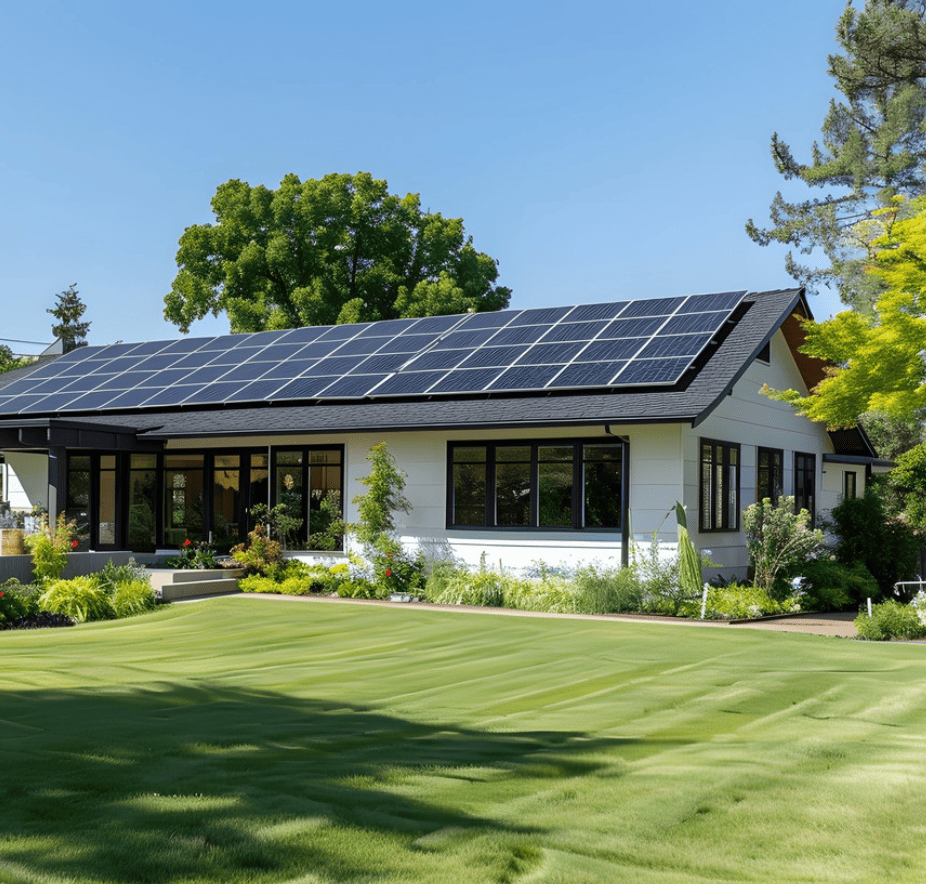
In the ever-evolving landscape of renewable energy, the efficiency of solar installations stands as a pivotal concern for both residential and commercial applications. It's not solely about the solar panels themselves; rather, factors such as interrow spacing and shading have profound implications on the actual energy output of solar mounting systems. Inadequate attention to these elements not only diminishes performance but also poses substantial risks for energy yield and return on investment. For instance, studies have shown that poor interrow spacing decisions can lead to energy losses of up to 20%, which translates into significant financial repercussions for both individuals and businesses relying on solar energy.
Understanding the root causes of these issues is crucial in devising effective solutions. Interrow spacing—the distance between rows of solar panels—must be optimized to prevent shading and allow adequate sunlight exposure. Shading can originate from various sources: taller structures, trees, or even neighboring solar installations. Each of these factors delves deeply into the intricacies of project planning and site selection. By overlooking the nuances of interrow spacing and shading, solar projects risk inefficiency, resulting in a diminished return on investment and a slower payback period.
This challenge resonates across the solar industry, impacting manufacturers, installers, and end-users alike. As I observe trends in solar technologies, it's clear that businesses focusing on quality and efficiency are the ones thriving. According to the National Renewable Energy Laboratory (NREL), solar installations that optimized interrow spacing could improve efficiencies by 10-15%. If I were to partner with a reliable Solar Mounting Supplier like Huitai Photovoltaic, I would ensure these design factors are prioritized, reinforcing their commitment to maximizing energy yield.
There's no shortage of empirical evidence highlighting the stark contrast between well-planned solar installations and their poorly designed counterparts. For instance, a case study conducted in California illustrated the impact of shading from surrounding structures; it revealed that optimizing both interrow spacing and panel alignment led to a 12% increase in energy production over the previous installation configuration. Neglecting these design specifications could easily result in numerous performance setbacks, making it imperative for solar mounting suppliers to integrate precision engineering approaches, following standards like ASTM and DIN, ensuring quality control to the finest details.
The consequences of ignoring the interplay between interrow spacing and shading extend well beyond energy losses. Failing to address these factors can lead to diminished energy yields and longer payback periods, thus directly affecting financial viability. Long-term project sustainability could be at risk, especially as energy prices fluctuate and demands for efficiency intensify in an increasingly competitive market. I encourage readers to recognize the urgency of addressing these design elements.
As we navigate the complexities of solar mounting systems, it becomes evident that interrow spacing and shading cannot be overlooked. I urge my fellow solar enthusiasts and stakeholders in the renewable energy sector to incorporate these critical factors into their project plans. Collaborate with esteemed solar mounting suppliers like Huitai Photovoltaic, who prioritize quality and efficiency and can guide you throughout the installation process. By taking action now, you can avoid the pitfalls of neglecting these issues and ensure your solar investment remains robust and fruitful for years to come.
For more information on maximizing the efficiency of your solar installations through optimized interrow spacing and shading strategies, visit Huitai Photovoltaic.
More News
Hot Products
High Quality Metal Fabrication Clamps Solid Integral Stainless Steel Integrated Clamp A
Usage: Heavy Duty Clamp, Pipe Clamp, Glass Clamp
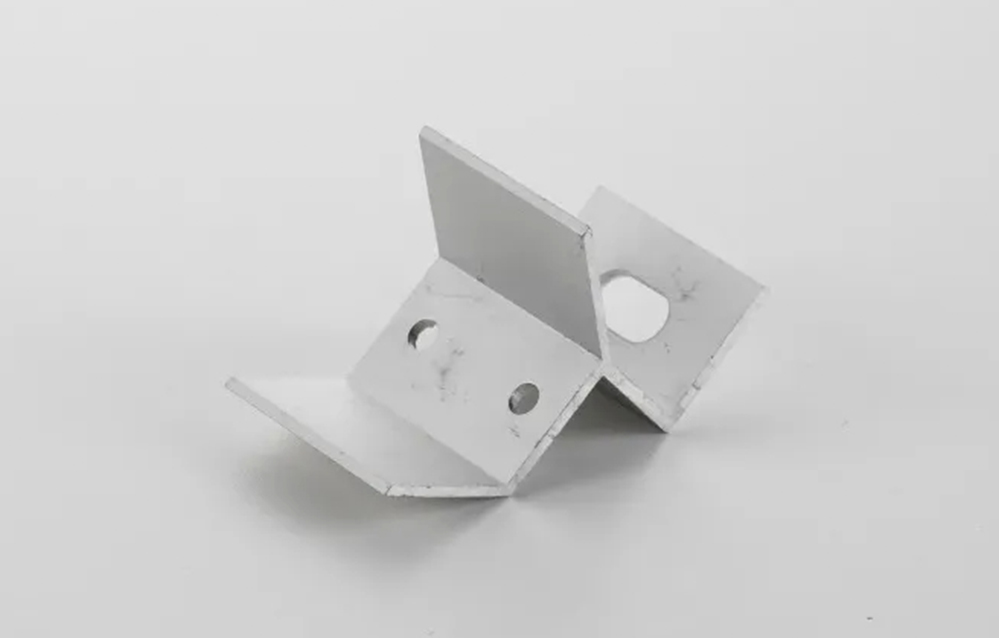
UV & Moisture Resistant Solar Panel Clamp with Custom Sizes
Customization: Available
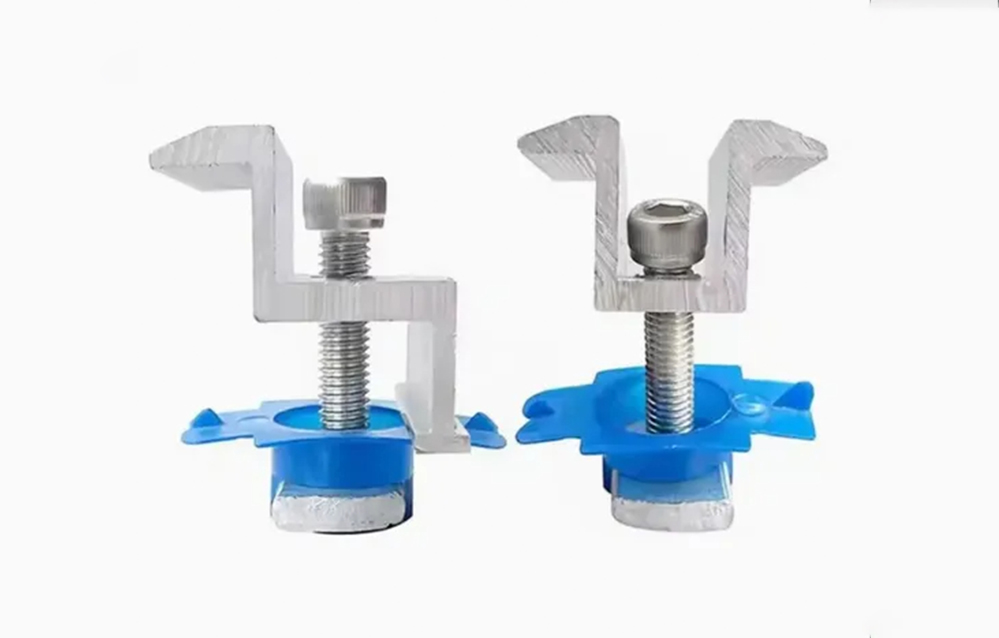
Reliable Solar Photovoltaic Medium Voltage Block with Aluminum Alloy
Material: Aluminum Alloy
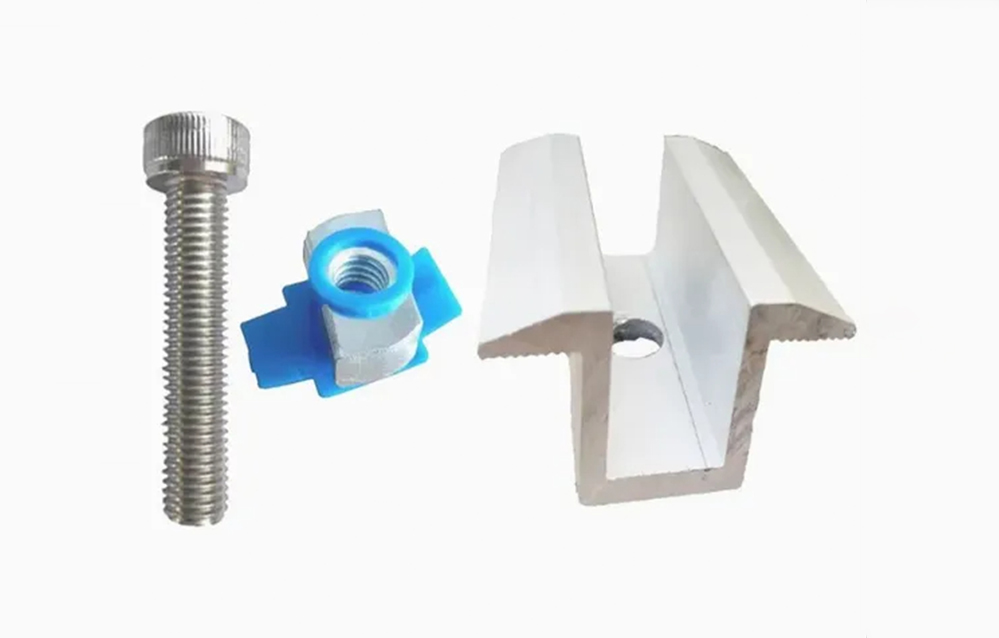
Solar Photovoltaic Panel Medium Voltage Block 50 Long
Material: Aluminum Alloy
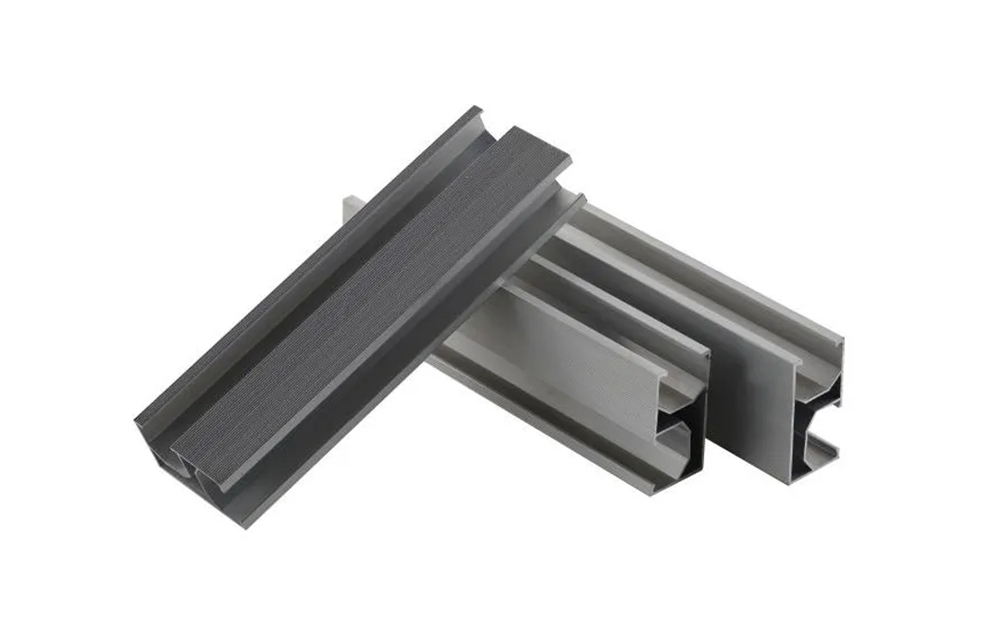
Premium Solar Panel Mounting Rail System for PV Installation
Customization: Available
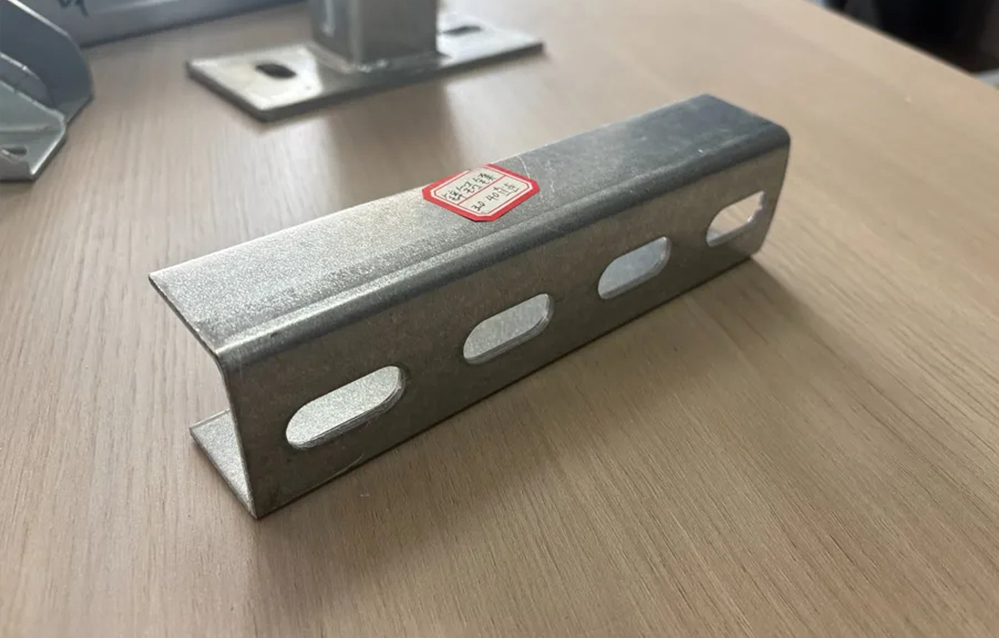
High Strength Heavy Duty Pre Galvanized Steel Solar Mounting Bracket for Ground Mount Systems
After-sales Service: 24-Hour Service