Sep.09,2026
Share
Agricultural photovoltaic projects have a requirement that conventional ground-mounted solar farms do not always face: the land may need to continue supporting agricultural activities beneath or around the PV system.
This has made agrivoltaics, also called agrivoltaic solar or agrisolar, an increasingly important application for solar developers, agricultural investors, EPC contractors, and landowners.
The procurement question is no longer simply how to install the maximum number of solar panels.
Instead, buyers need to determine:
How should a solar mounting system balance photovoltaic generation, land utilization, equipment access, and agricultural operations?
A suitable structure should be evaluated according to the crops, machinery, site conditions, panel layout, clearance requirements, wind loads, and installation method.
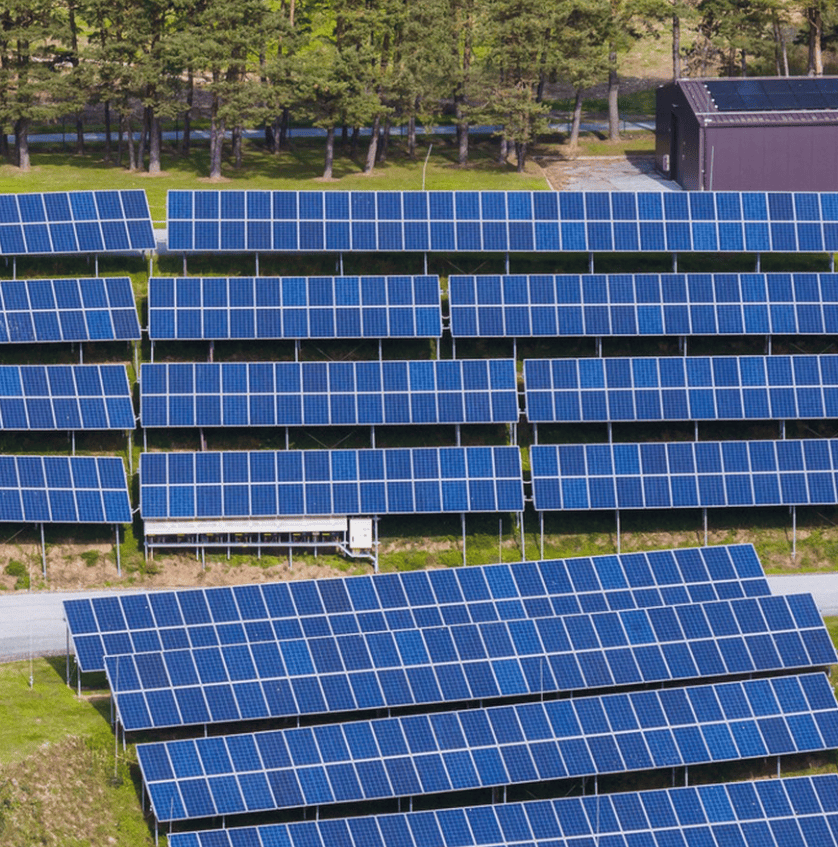
An agrivoltaic mounting system supports photovoltaic modules above agricultural land while allowing farming activities to continue underneath or between the solar structures.
Depending on the project, the system may support:
Crop cultivation
Grazing
Horticulture
Agricultural equipment access
Irrigation
Solar electricity generation
Farm infrastructure
The structural design can differ significantly from a conventional utility-scale solar farm.
The available clearance, row arrangement, foundation system, and maintenance access all need to be considered together.
Different crops have different sunlight and height requirements.
A low-clearance configuration may be suitable for some crops, while taller agricultural operations require greater vertical clearance.
If tractors, harvesters, or other machinery need to operate beneath the solar array, buyers should provide the dimensions and operating requirements of the equipment before the structure is finalized.
Higher mounting structures can improve accessibility but may increase structural material requirements and wind exposure.
The optimal height is therefore a project-specific engineering decision rather than a universal specification.
Interrow spacing influences:
Solar shading
Crop exposure
Equipment movement
Maintenance access
Land utilization
The objective is to achieve an economically practical balance rather than simply maximizing panel density.
For crop cultivation, the structure should consider solar radiation, crop height, irrigation systems, machinery access, and maintenance routes.
For grazing applications, the design may need to consider animal movement, fence placement, cable protection, structural clearance, and maintenance access.
Solar structures around greenhouse facilities require coordination with greenhouse orientation, roof structure, ventilation, and electrical infrastructure.
Some farms may use solar electricity for:
Irrigation pumps
Refrigeration
Agricultural processing
Water treatment
Farm buildings
Battery storage
In these cases, the mounting system becomes part of a larger distributed energy solution.
| Factor | Conventional Ground Mount | Agrivoltaic Mounting |
|---|---|---|
| Primary objective | PV generation | PV + agricultural use |
| Clearance | Standard | Often application-specific |
| Land use | Energy production | Dual land use |
| Machinery access | Project dependent | Often essential |
| Crop considerations | Limited | Important |
| Row layout | PV optimized | PV + agricultural optimized |
| Structure | Standardized | More customized |
This is why a mounting supplier should receive agricultural information before preparing a final structural proposal.
Agricultural projects may be exposed to moisture, fertilizer, soil, dust, and changing weather conditions.
Material and surface treatment therefore matter.
Huitai Photovoltaic supplies aluminum and galvanized steel components for solar mounting applications, including rails, brackets, hooks, clamps, bases, fasteners, and ground mounting components. Its website also highlights customized material selection and surface treatment.
Buyers should evaluate:
Aluminum alloy grade
Galvanized steel
Surface treatment
Corrosion resistance
Fastener material
Connection compatibility
Expected service environment
The best material depends on the project location and structural requirements.
For large agricultural PV projects, procurement teams often need more than individual brackets.
They may require:
Structural drawings
Bill of materials
Component specifications
Installation instructions
Load calculations
Foundation recommendations
Customized rails
Clamps and fasteners
Packaging and labeling
Delivery coordination
A supplier capable of providing multiple components can simplify procurement and reduce compatibility problems between different manufacturers.
For agricultural solar projects, field experience often reveals issues that are not obvious in a product catalog.
Farm operators and installation teams may evaluate:
Tractor accessibility
Ease of cleaning panels
Ease of replacing components
Structural stability
Corrosion performance
Cable protection
Ease of installation
Compatibility with agricultural equipment
A mounting system that looks economical during procurement may become expensive if it interferes with daily agricultural operations.
Hebei Huitai Photovoltaic Technology Co., Ltd. was established in 2018 and operates production facilities and warehouses totaling more than 42,000 square meters. The company provides solar mounting products and customized services for roof, ground, balcony, carport, and other PV applications.
Its OEM and customization service covers dimensions, materials, surface treatment, electrical parameters, structural adaptation, and logo marking.
For agrivoltaic projects, this flexibility can be useful when standard solar racking does not fully match the requirements of agricultural machinery, crops, or site conditions.
It is a PV mounting approach designed to allow agricultural activities and photovoltaic generation to share the same land area.
Potentially, but the structure must be designed around the actual tractor dimensions, turning radius, operating height, and required clearance.
It can be, particularly when higher clearance or customized structural configurations are required. However, the economic evaluation should consider the combined value of agricultural production and electricity generation.
Huitai states that it supports customized dimensions, materials, surface treatment, and structural design adaptation for solar mounting components.
For an agrivoltaic or farmland solar project, provide the site location, crop type, panel specification, desired clearance, agricultural machinery dimensions, wind and snow conditions, and preferred foundation method.
Huitai Photovoltaic can evaluate the application and develop a customized solar mounting solution.
Hot Products
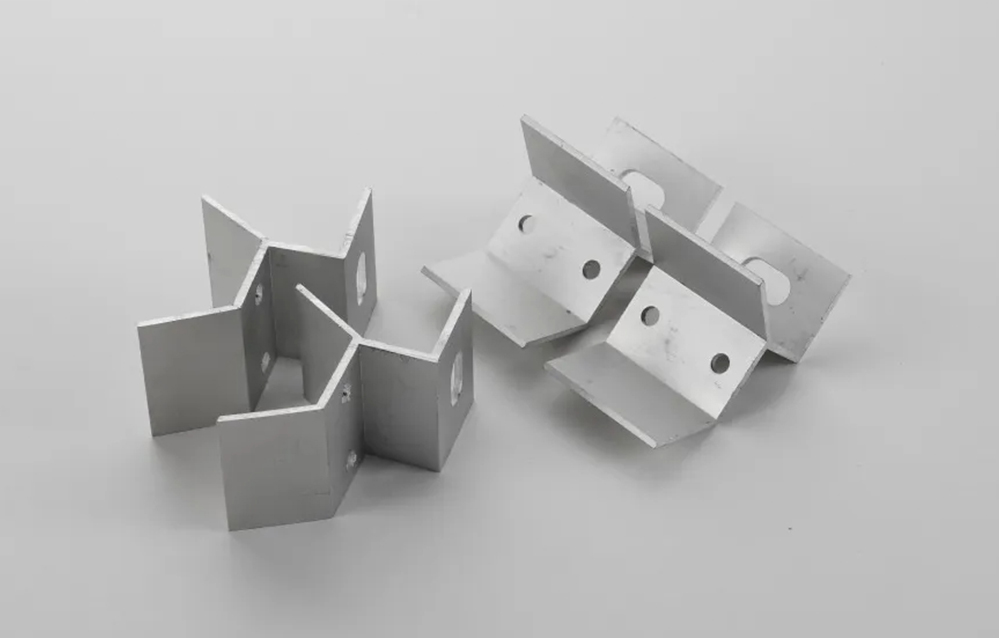
High Quality Metal Fabrication Clamps Solid Integral Stainless Steel Integrated Clamp A
Usage: Heavy Duty Clamp, Pipe Clamp, Glass Clamp
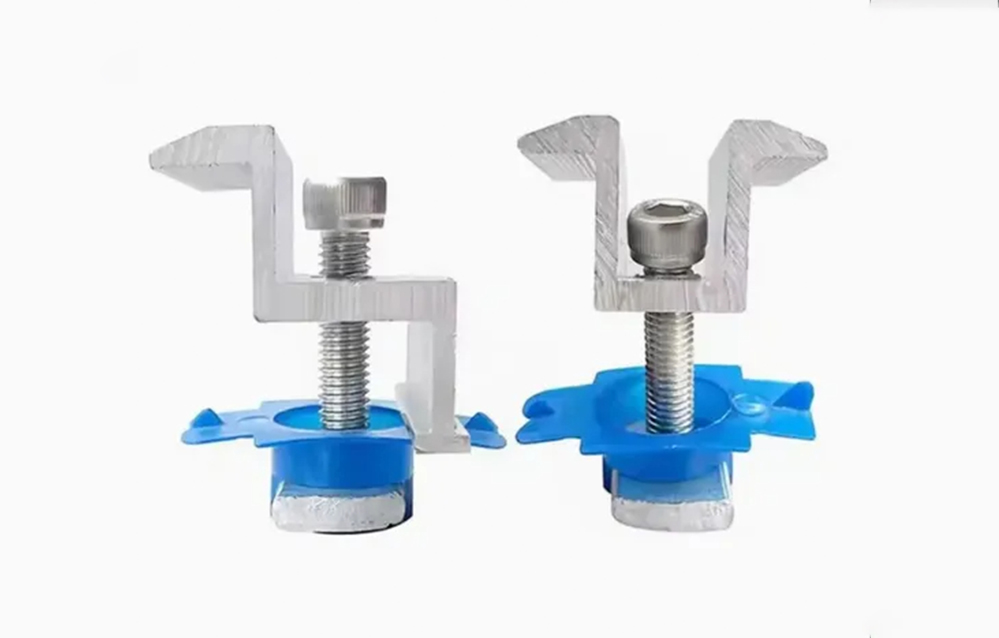
Reliable Solar Photovoltaic Medium Voltage Block with Aluminum Alloy
Material: Aluminum Alloy
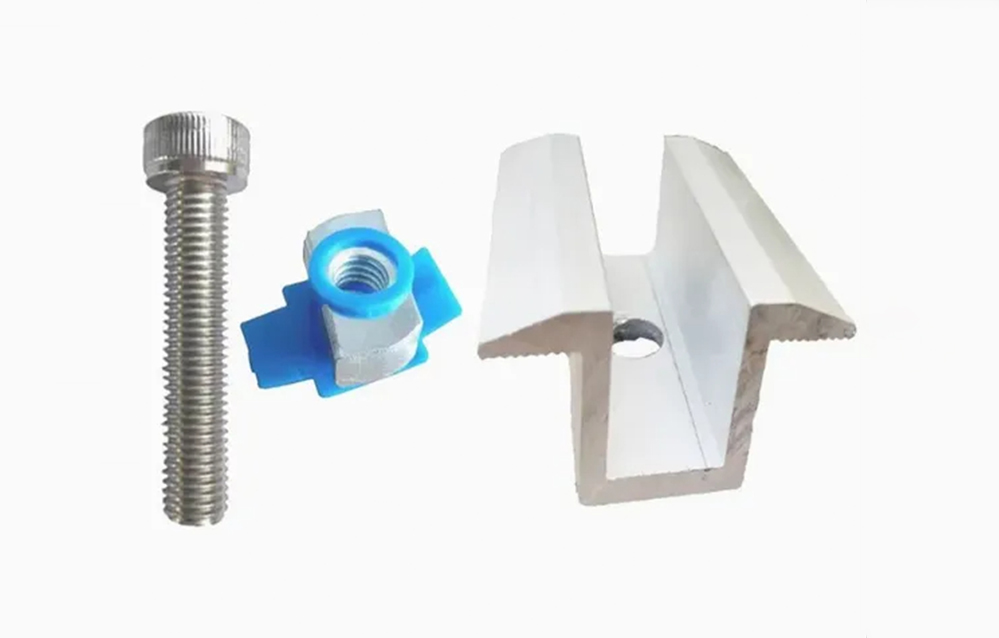
Solar Photovoltaic Panel Medium Voltage Block 50 Long
Material: Aluminum Alloy
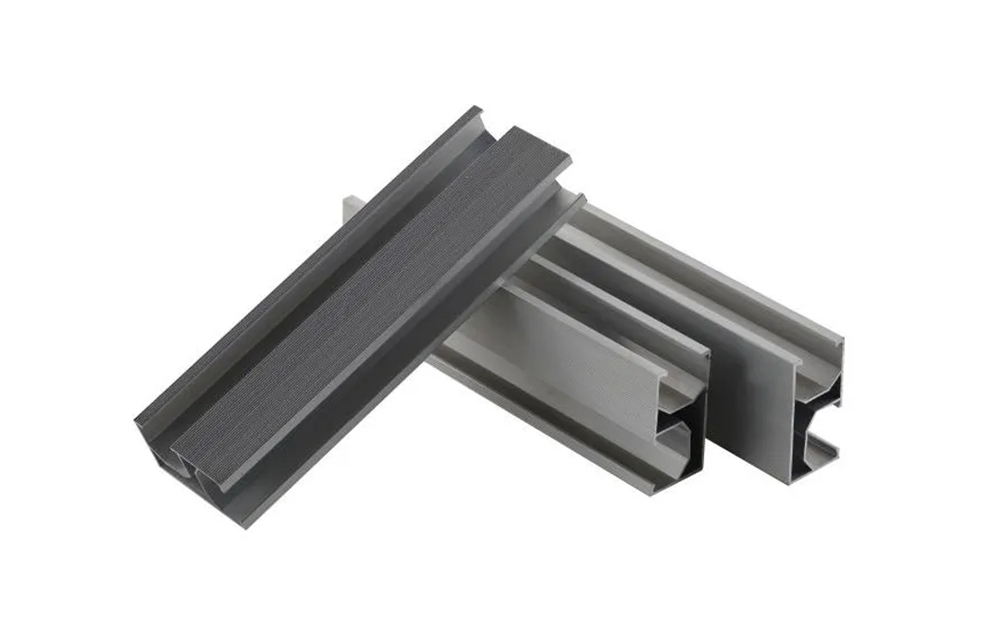
Premium Solar Panel Mounting Rail System for PV Installation
Customization: Available
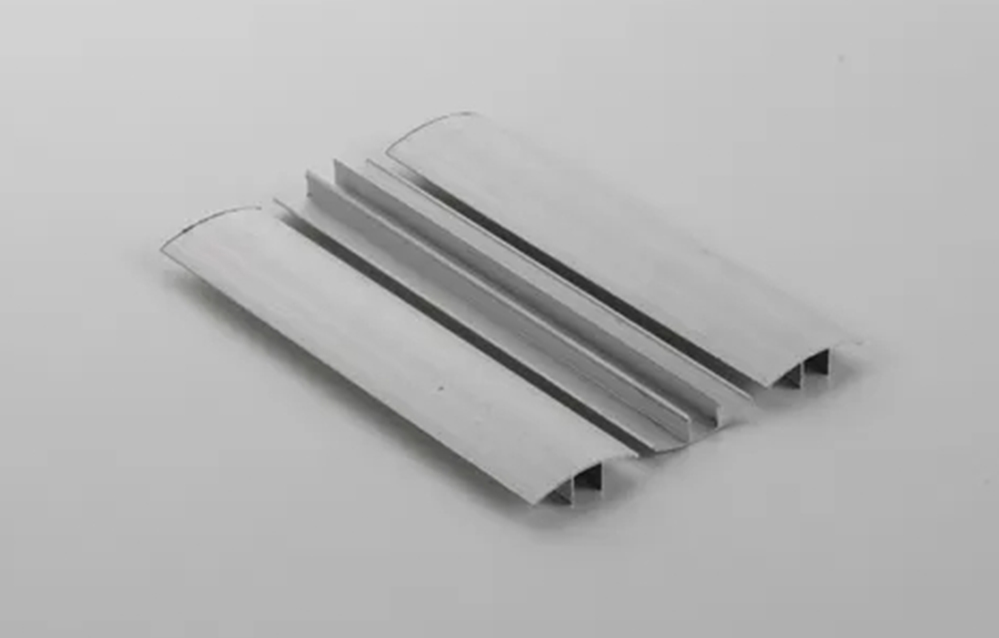
Easy-Install Protective Cover Durable Rust-Proof Solar Panel Rail Cover for Rooftop/Ground PV Rails
Customization: Available
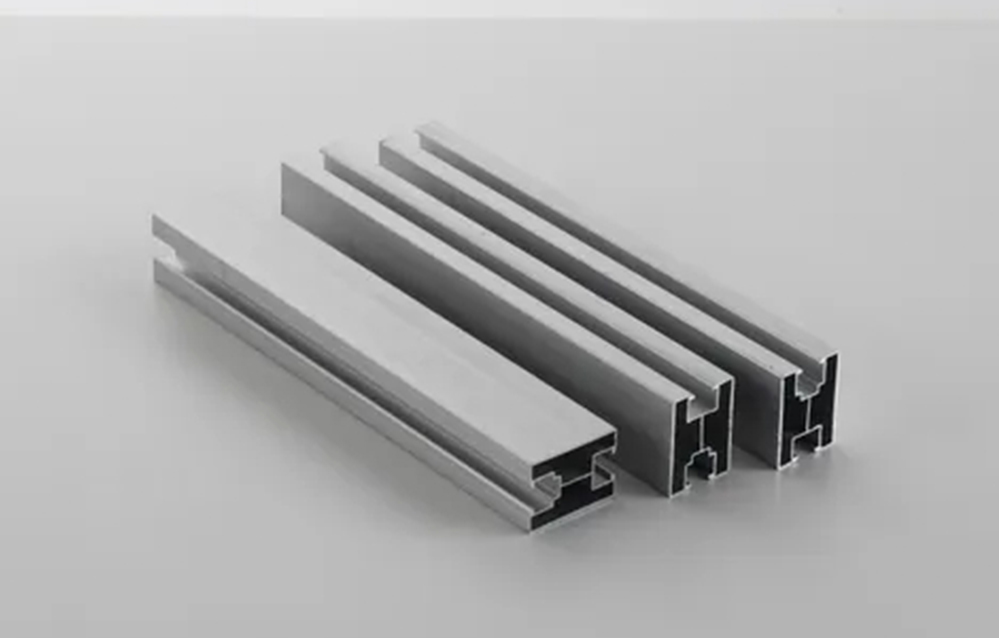
Custom Tailored Aluminum Solar Panels Rails for Rooftop/Ground PV Systems
Customization: Available