Nov.13,2026
Share
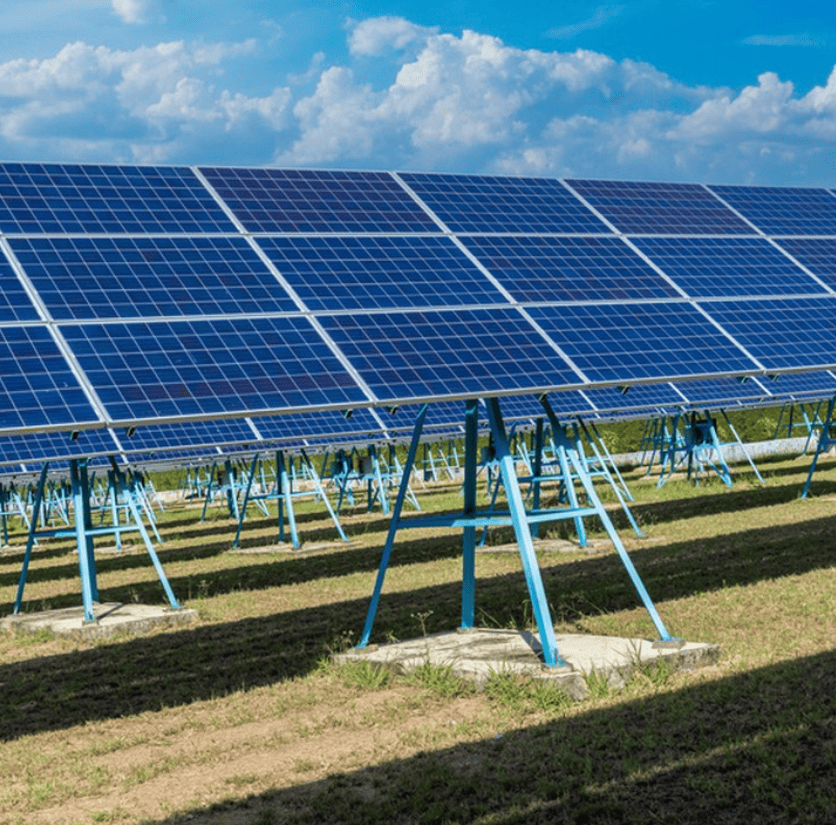
For many solar project developers, calculating land requirements and row spacing for solar ground mount arrays involves numerous challenges and technical specifications. Potential solar mount users often face uncertainty when determining how much land is needed or how to optimally space the solar panels. These calculations are critical for maximizing solar energy output and minimizing installation costs. As a Solar Mounting Supplier, we understand these pain points and aim to provide clarity and actionable solutions for an efficient setup.
Before diving into the calculations, gathering detailed materials and tools is essential for successful solar ground mount array design. Here’s what you need to prepare:
Follow these clear and actionable steps to accurately determine the land requirements and row spacing for your solar ground mount array:
100 panels × 1.65 m²/panel = 165 m²
Available width / (panel width + row spacing) = Number of rows

While calculating land requirements and row spacing, users often encounter the following errors:
Accurately calculating land requirements and row spacing is crucial for the successful installation of solar ground mount arrays. By performing thorough site assessments and carefully measuring dimensions, you can develop an effective layout that maximizes solar output. Engaging with an experienced Solar Mounting Supplier like Huitai Photovoltaic can also streamline this process, providing tailored solutions for your unique project needs.
Q1: How much land do I need for a solar ground mount system?
A1: The required land size depends on the number of solar panels and their dimensions. Measure the total panel area and account for row spacing and walkways.
Q2: What factors affect row spacing for solar panels?
A2: Key factors include panel height, potential shading from objects around the installation site, and accessibility for maintenance.
Q3: Can I use software for this calculation?
A3: Yes! Tools like PVsyst can help simulate your design, check shading impact, and optimize layout configurations based on your site’s unique characteristics.
More News
Hot Products

High Quality Metal Fabrication Clamps Solid Integral Stainless Steel Integrated Clamp A
Usage: Heavy Duty Clamp, Pipe Clamp, Glass Clamp

UV & Moisture Resistant Solar Panel Clamp with Custom Sizes
Customization: Available
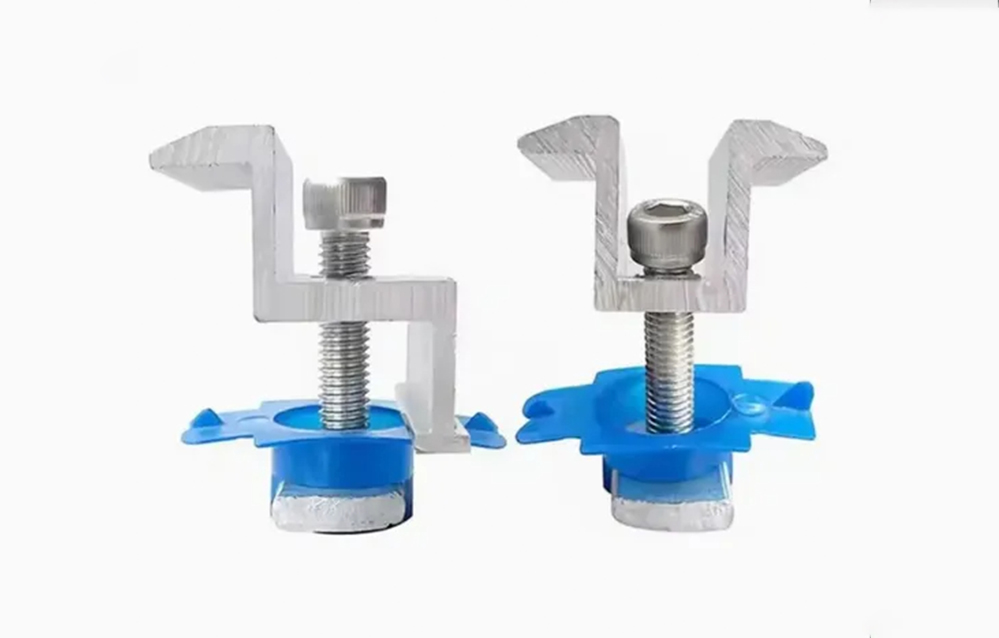
Reliable Solar Photovoltaic Medium Voltage Block with Aluminum Alloy
Material: Aluminum Alloy
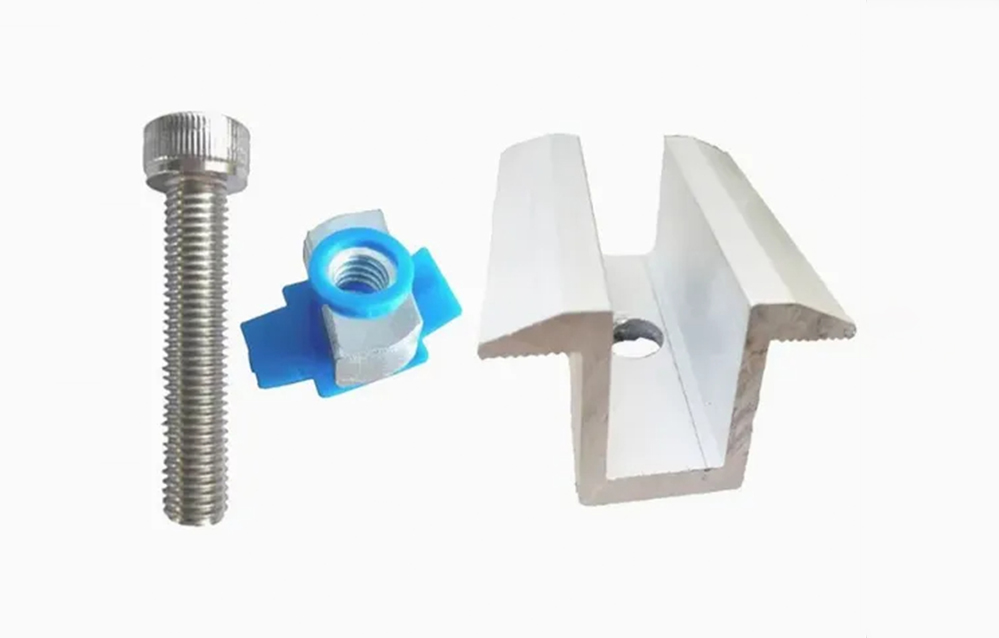
Solar Photovoltaic Panel Medium Voltage Block 50 Long
Material: Aluminum Alloy
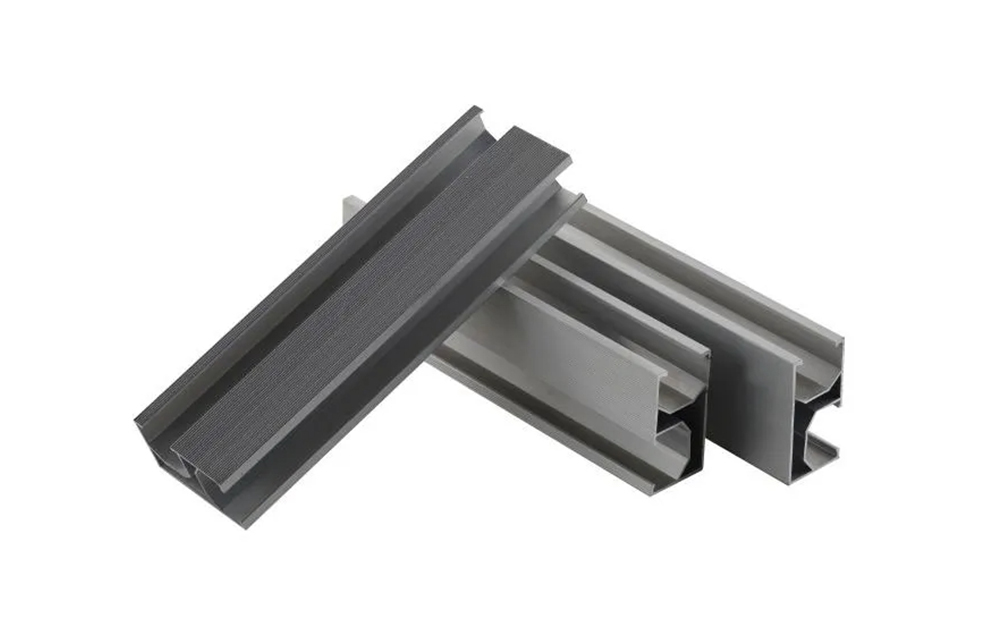
Premium Solar Panel Mounting Rail System for PV Installation
Customization: Available
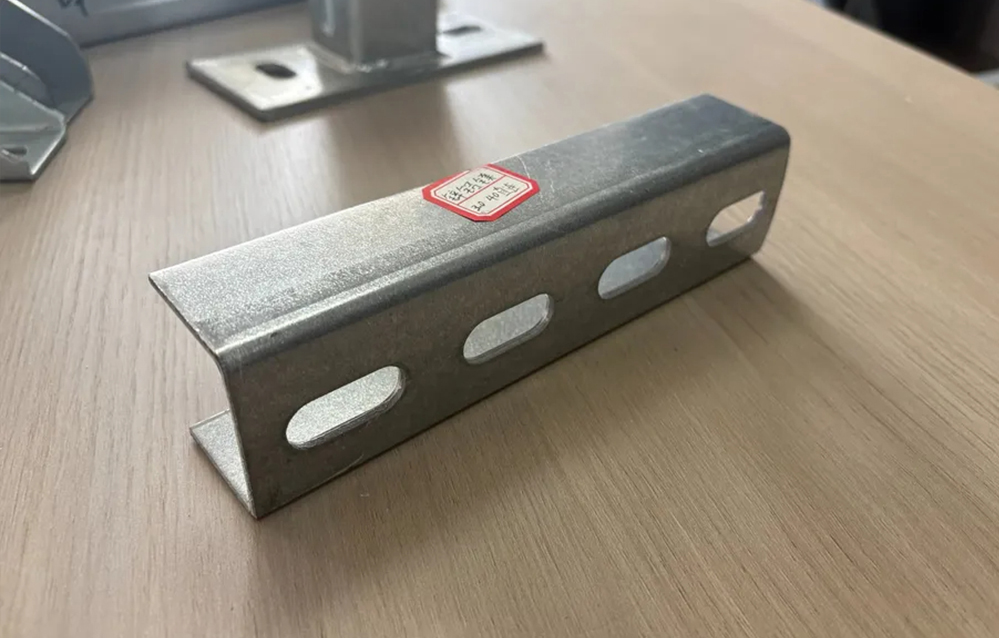
High Strength Heavy Duty Pre Galvanized Steel Solar Mounting Bracket for Ground Mount Systems
After-sales Service: 24-Hour Service