Nov.05,2026
Share
When installing solar panels on metal roofs, compliance with electrical grounding standards is critical. Users often face challenges such as inadequate grounding, potential electrical hazards, and local code compliance. These concerns remind us of real situations faced by homeowners and installers alike. For instance, a user named Mike, a solar contractor from California, found himself scrambling to correct grounding issues during a large installation that could have cost him his reputation as a reliable Solar Mounting Supplier. By addressing these grounding compliance challenges head-on, not only did he avoid safety risks, but he also enhanced his client's trust, leading to increased referrals and a 25% rise in his business revenue.
Before you embark on installing a solar mounting system on a metal roof, ensure you have the following materials and tools ready:
Follow these detailed steps to ensure grounding compliance for your metal roof solar mounting system:
Common grounding errors include:
Installing a metal roof solar mounting system requires careful attention to grounding compliance to protect both the system and the property. Ensure you adhere to local electrical codes, use the right materials, and follow the systematic steps outlined above. Huitai Photovoltaic offers high-quality grounding solutions specifically designed for solar mounting systems, helping contractors like Mike avoid the pitfalls of poor grounding. An investment in quality materials not only enhances safety but also adds to system reliability.
What inspection do I need for grounding compliance?
Depending on your local jurisdiction, you may require an electrical inspection to verify your grounding setup meets required safety standards.
How often should I check the grounding system?
It's advisable to check the grounding system at least once a year, or after severe weather events, to ensure continued safety and efficacy.
What are the risks of improper grounding?
Improper grounding can lead to electrical shocks, equipment damage, and could potentially void warranties on your solar equipment.
More News
Hot Products
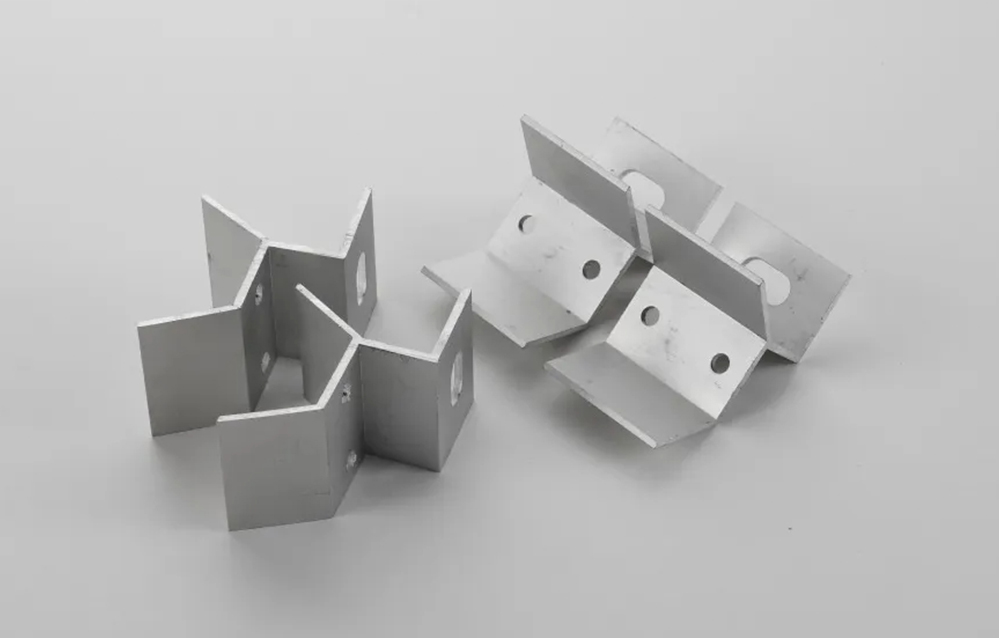
High Quality Metal Fabrication Clamps Solid Integral Stainless Steel Integrated Clamp A
Usage: Heavy Duty Clamp, Pipe Clamp, Glass Clamp
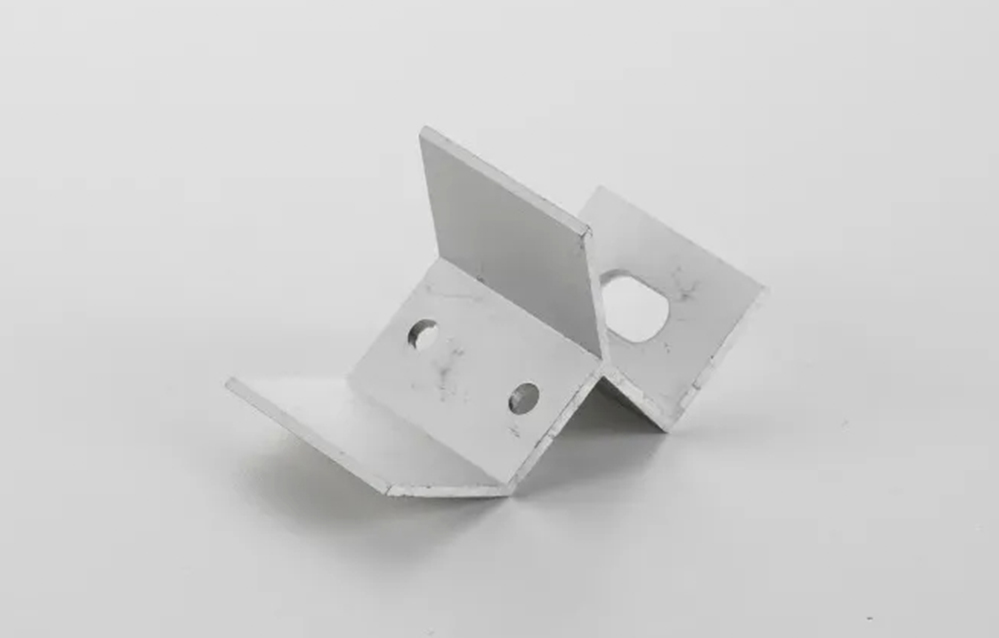
UV & Moisture Resistant Solar Panel Clamp with Custom Sizes
Customization: Available
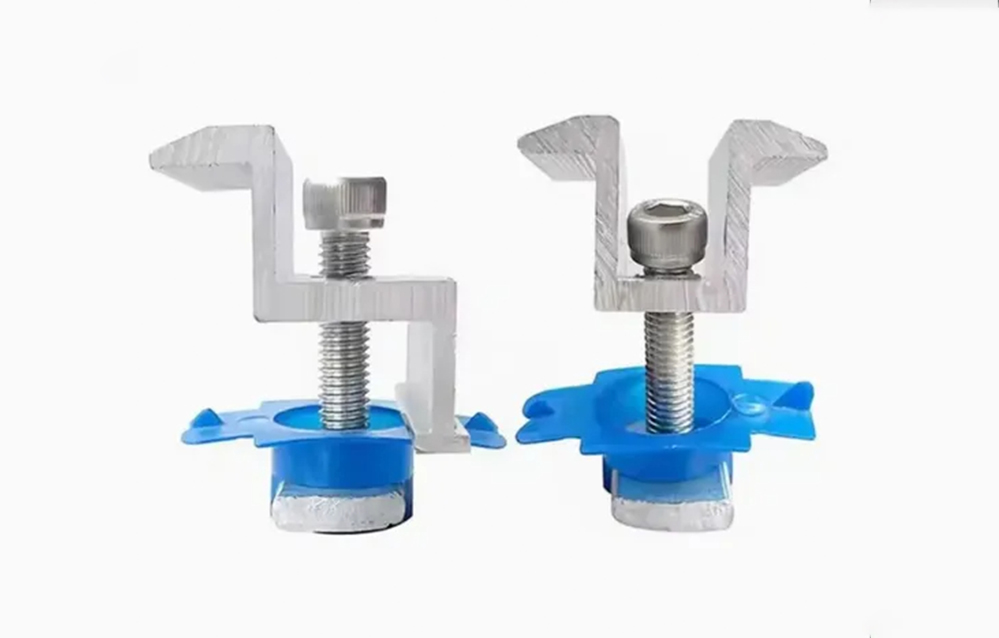
Reliable Solar Photovoltaic Medium Voltage Block with Aluminum Alloy
Material: Aluminum Alloy
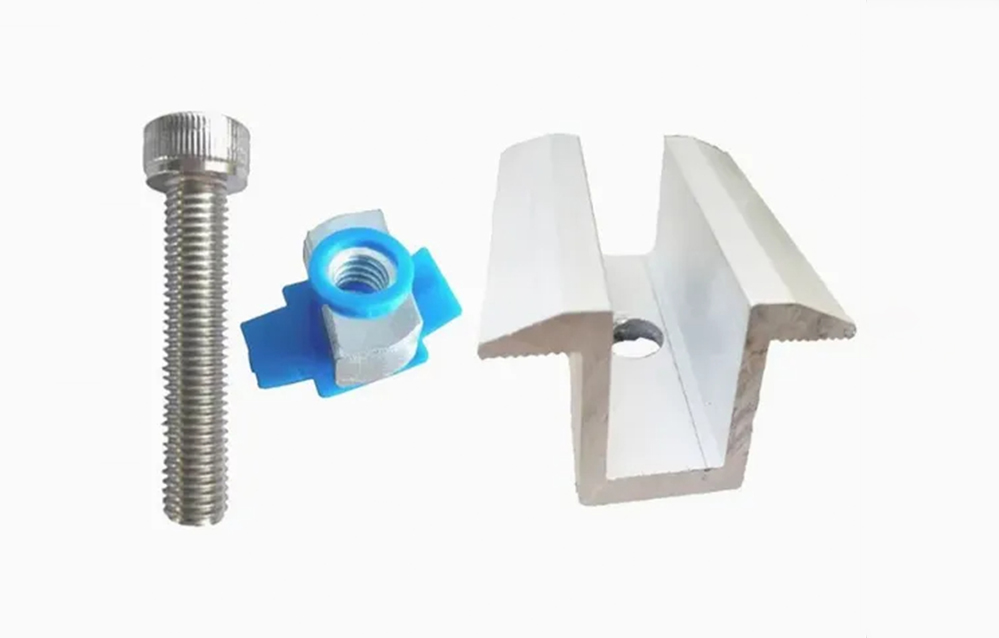
Solar Photovoltaic Panel Medium Voltage Block 50 Long
Material: Aluminum Alloy
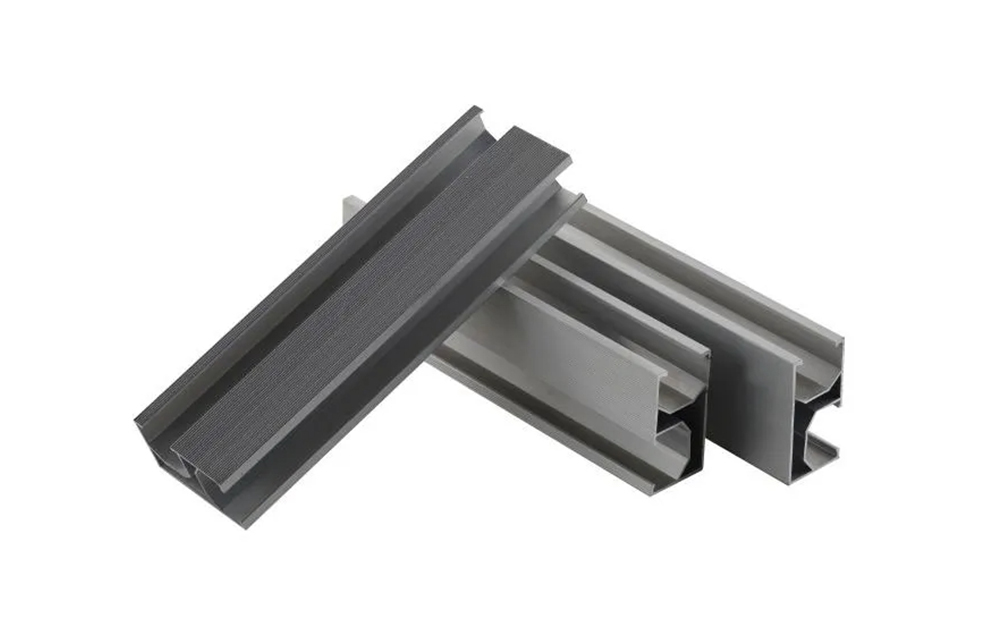
Premium Solar Panel Mounting Rail System for PV Installation
Customization: Available
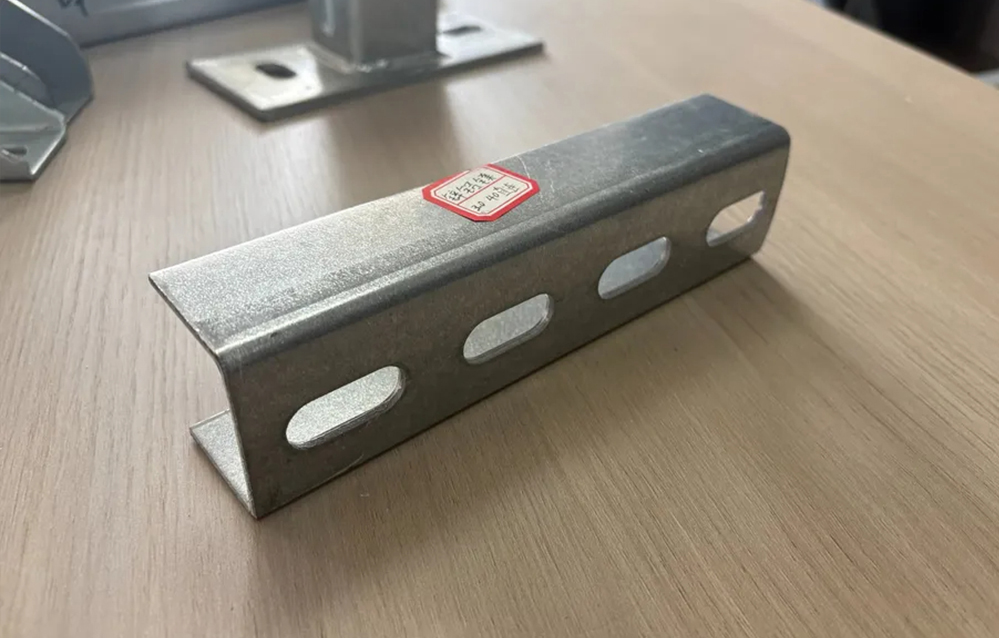
High Strength Heavy Duty Pre Galvanized Steel Solar Mounting Bracket for Ground Mount Systems
After-sales Service: 24-Hour Service