Sep.14,2026
Share
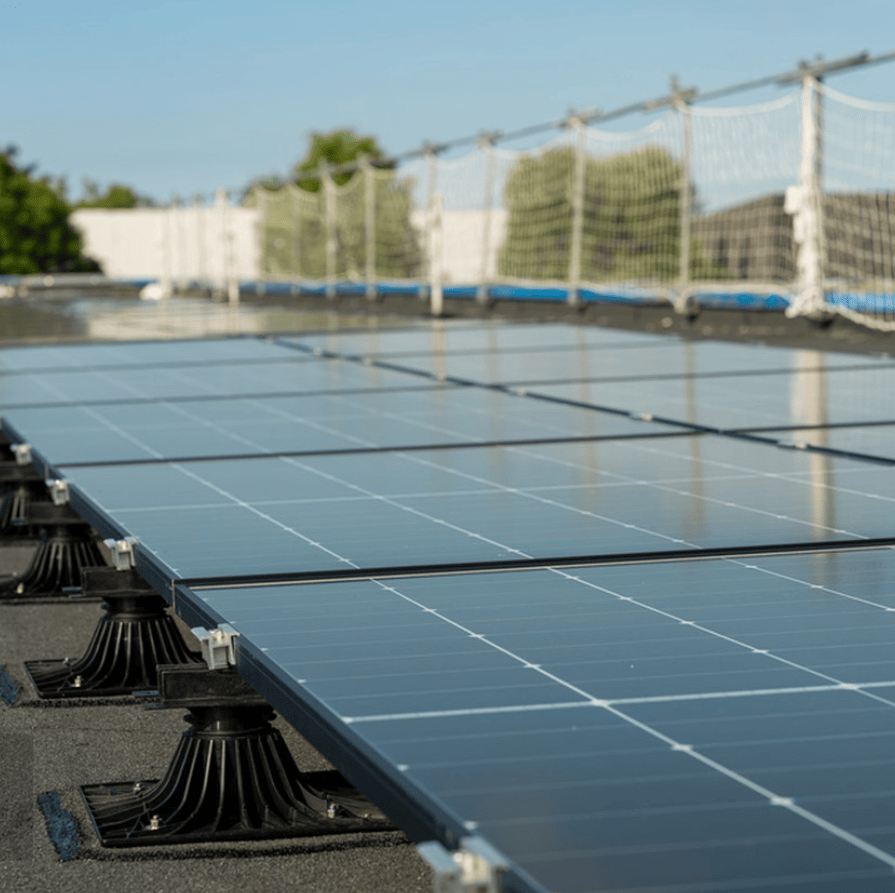
A flat roof solar mounting system is designed to secure solar panels on a flat rooftop while maximizing space and efficiency. Its structure allows for optimal solar energy capture regardless of roof inclination.
Before installation, ensure the roof can support the weight of the solar panels. Conduct a structural assessment with a qualified professional to identify any necessary reinforcements.
Choose the solar panels based on your energy needs and roof size. Common dimensions are 65 inches by 39 inches, but always verify specifics before purchase.
Layout the solar panels on a sketch of your roof. Centralize panels away from obstructions like skylights and HVAC units for maximum exposure to sunlight.
Row spacing is crucial to prevent shading. Here's how to calculate it:
Once you have your layout and spacing, mark the points where panels will be secured to the roof. Use chalk or a permanent marker for accuracy.
Skipping the structural integrity check can lead to catastrophic failures. Always assess before beginning installation.
Insufficient spacing can lead to shade during peak hours, reducing energy efficiency. Make calculations based on your location’s sun path.
Ensure enough space between rows for safe maintenance access without damaging the panels.
Planning the panel layout and row spacing on a flat roof solar mounting system requires careful consideration of various factors such as structural integrity, optimal spacing, and maintenance access. By following this detailed step-by-step guide, you can avoid common pitfalls and ensure a successful solar installation. For high-quality solar mounting solutions, trust Huitai Photovoltaic. Learn more at Huitai Photovoltaic.
Hot Products
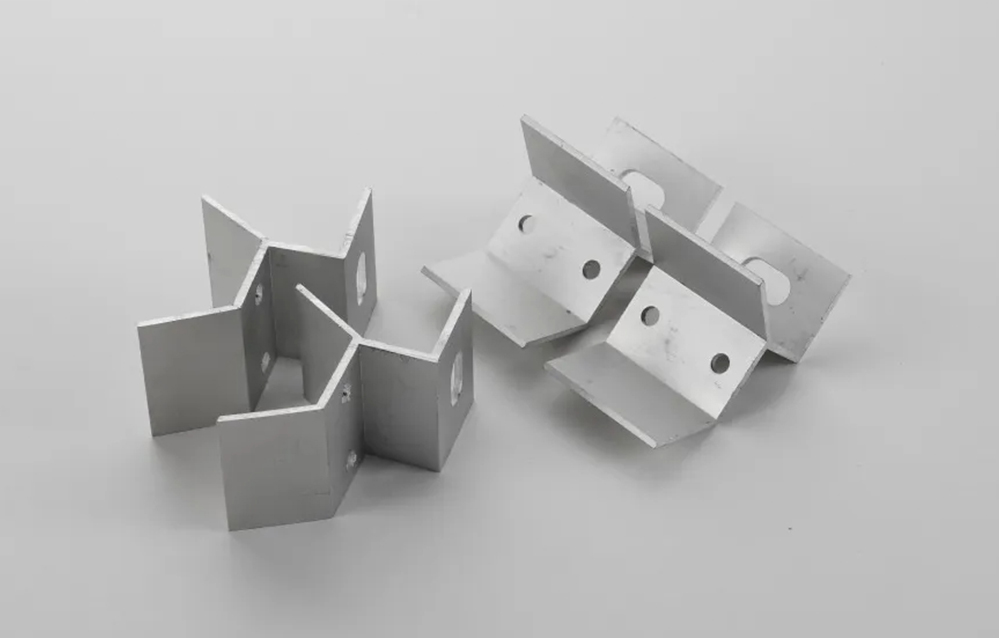
High Quality Metal Fabrication Clamps Solid Integral Stainless Steel Integrated Clamp A
Usage: Heavy Duty Clamp, Pipe Clamp, Glass Clamp
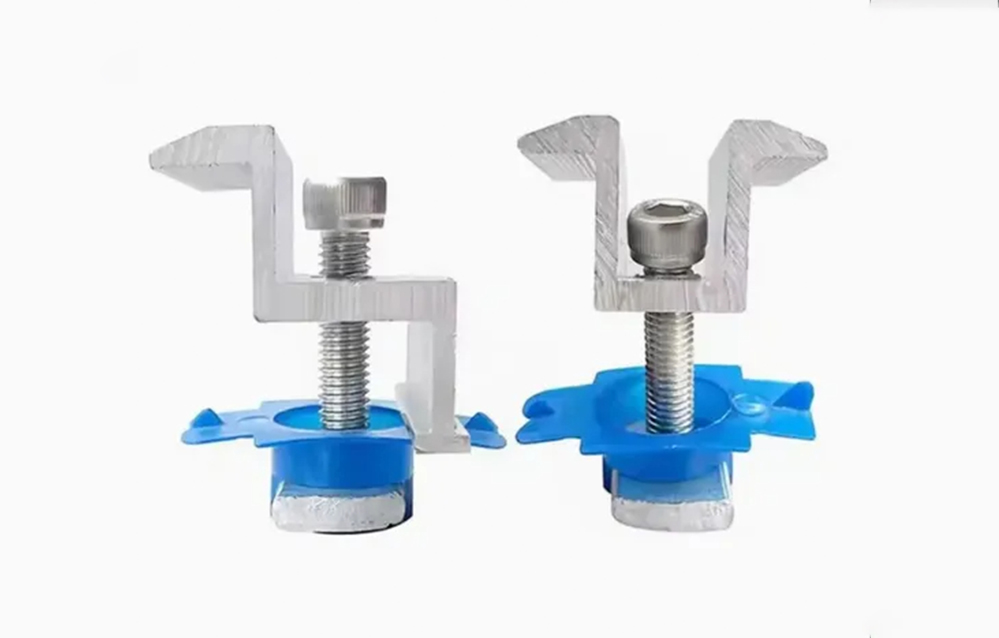
Reliable Solar Photovoltaic Medium Voltage Block with Aluminum Alloy
Material: Aluminum Alloy
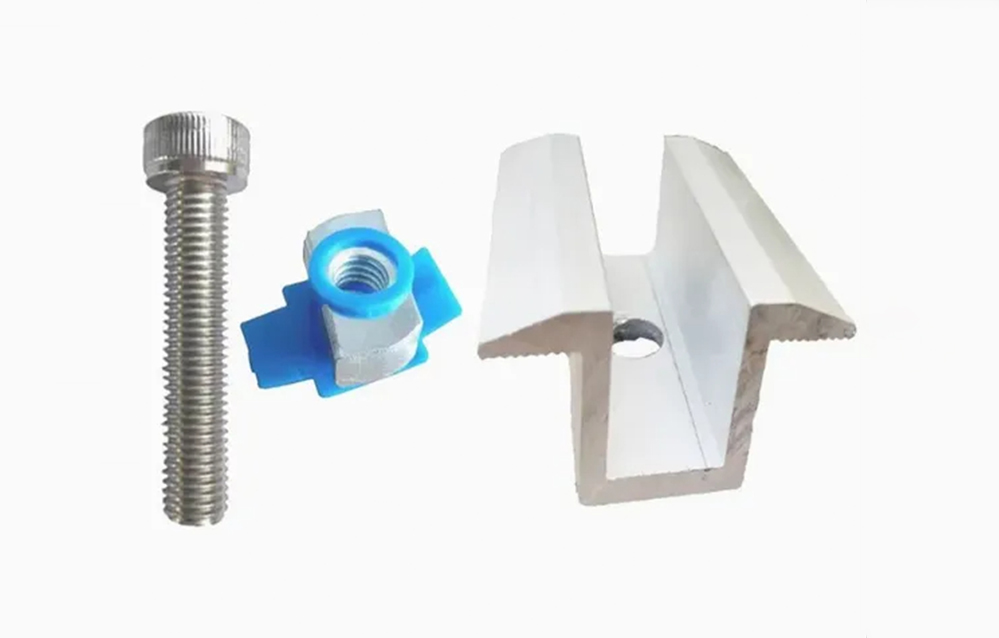
Solar Photovoltaic Panel Medium Voltage Block 50 Long
Material: Aluminum Alloy
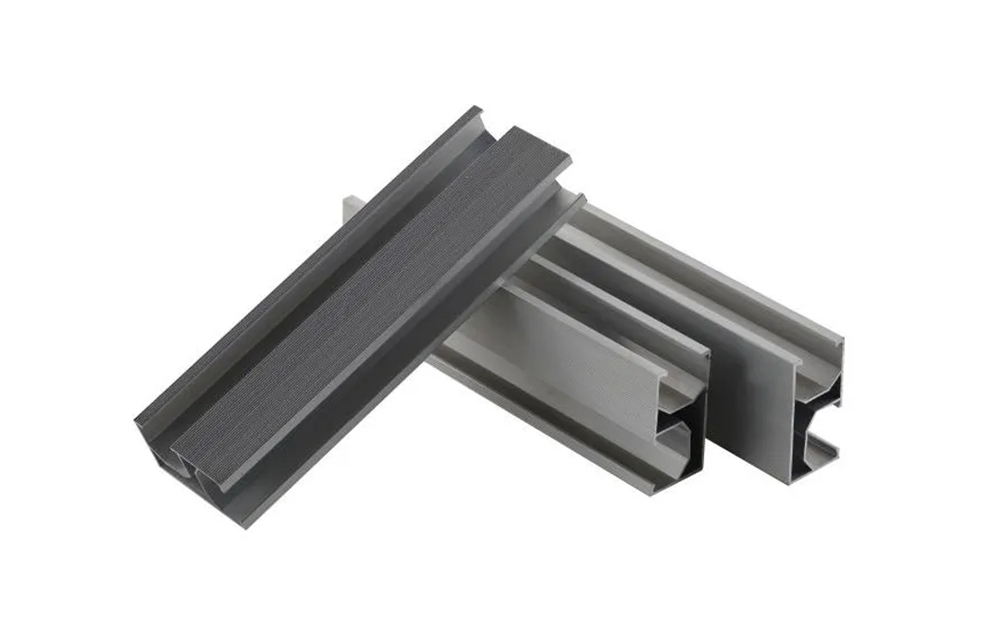
Premium Solar Panel Mounting Rail System for PV Installation
Customization: Available
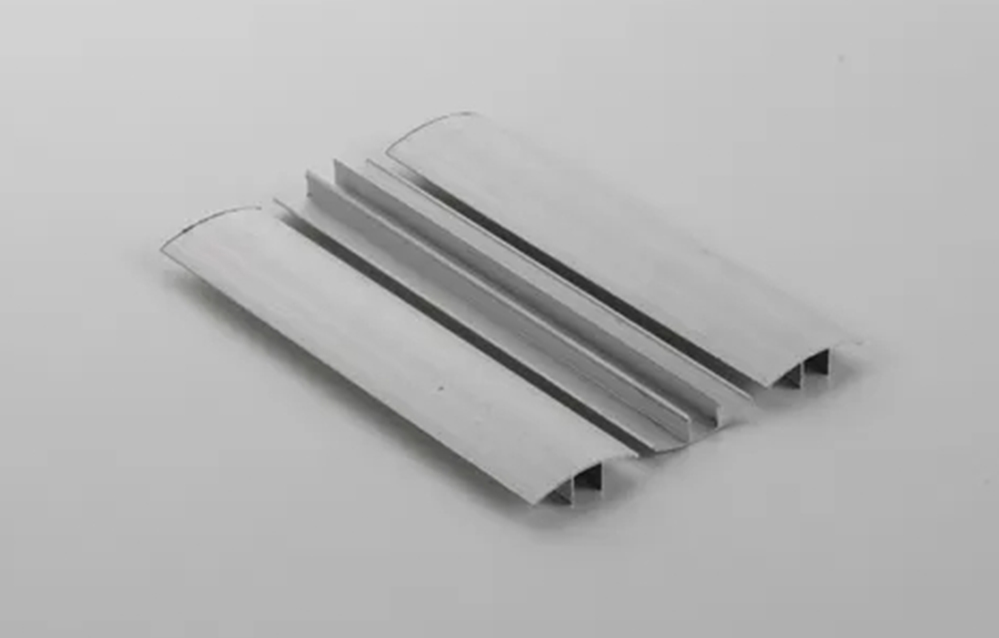
Easy-Install Protective Cover Durable Rust-Proof Solar Panel Rail Cover for Rooftop/Ground PV Rails
Customization: Available
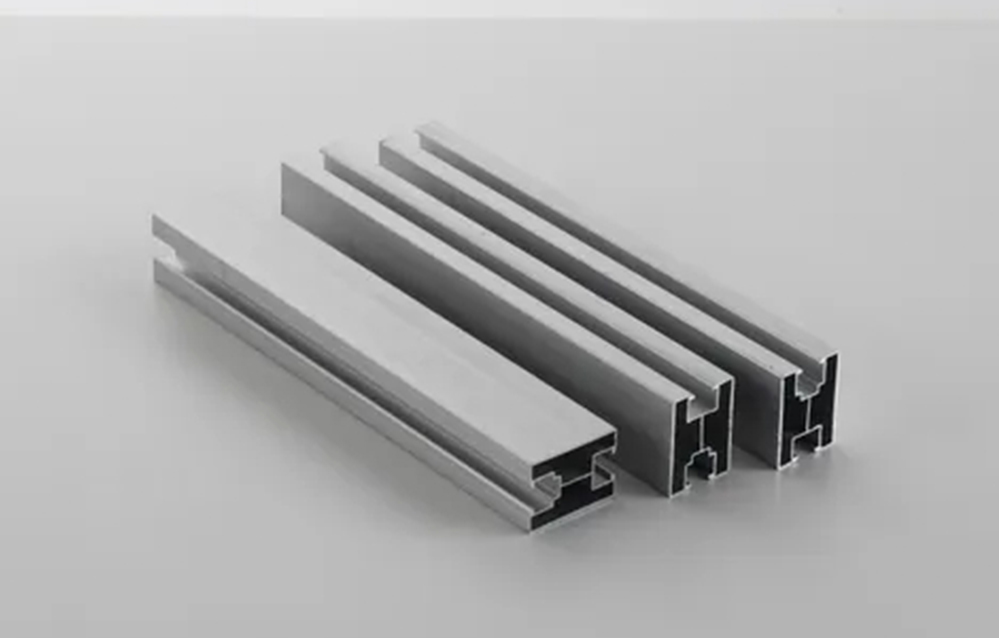
Custom Tailored Aluminum Solar Panels Rails for Rooftop/Ground PV Systems
Customization: Available