Key Factors to Evaluate When Selecting a Solar Racking System for Residential Rooftops

Home > News > Key Factors to Evaluate When Selecting a Solar Racking System for Residential Rooftops

Key Factors to Evaluate When Selecting a Solar Racking System for Residential Rooftops

Jul.10,2026

Share

When investing in solar energy for your home, choosing the right solar racking system is crucial. Solar Racking Systems are the frameworks that support solar panels on residential rooftops, ensuring stability, durability, and optimal performance. With multiple options available, it's essential to evaluate key factors that impact the functionality and long-term success of your solar installation. In this article, we will delve into these factors, guiding you step-by-step toward making an informed decision.

1. Understanding Your Roof Type

  • Material Consideration: Determine if your roof is asphalt, tile, metal, or flat, as this will influence the type of racking system suitable for your installation.
  • Structural Integrity: Assess the structural strength of your roof. Ensure it can support the additional weight of the solar panels and racking system.
  • Roof Pitch: Evaluate the pitch of your roof, as this affects the angle of the solar panels and their overall energy efficiency.

2. Racking System Types

  • Fixed Racks: Ideal for rooftops with a prominent pitch; they’re more cost-effective but less flexible.
  • Adjustable Racks: Offer the ability to change the panel angle seasonally, maximizing solar capture throughout the year.
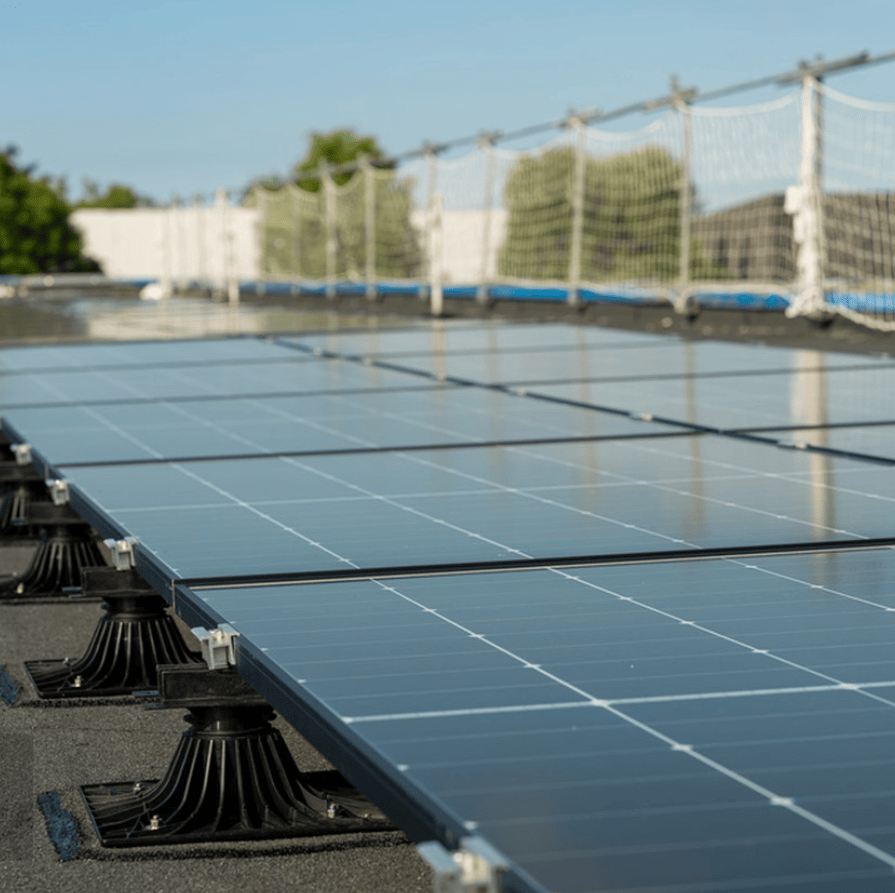
  • Ballasted Racks: Particularly useful for flat roofs, these systems do not require penetration into the roofing material, minimizing potential leaks.

3. Material Durability

  • Corrosion Resistance: Select materials like aluminum or stainless steel to ensure longevity, especially in coastal areas with salt exposure.
  • Manufacturer Certifications: Look for products that meet industry standards (such as UL, ISO) which verify their durability and safety.

4. Wind and Snow Load Ratings

  • Local Weather Conditions: Research the wind and snow load requirements specific to your area. These factors will dictate the strength and stability required from your racking system.
  • Engineering Specifications: Consult with the racking system’s specifications, ensuring they can withstand extreme weather events common to your locality.

5. Installation and Maintenance Ease

  • Ease of Installation: Choose a racking system that is user-friendly for installers; this might affect your overall installation costs.
  • Maintenance Considerations: Ensure that the racking system allows easy access for maintenance without removing panels or equipment.

6. Cost Considerations

  • Budgeting for Racking Systems: Prepare a budget that includes both initial costs and long-term savings from energy generation.
  • Warranty and Support: Look for racking systems offering warranties over 10 years, indicating reliability and good manufacturer support.

7. Environmental Impact and Sustainability

  • Eco-Friendly Materials: Opt for racking systems made from recycled or sustainably sourced materials to reduce your environmental footprint.
  • Recyclability: Investigate whether the racking system is recyclable at the end of its lifecycle, aligning with sustainable practices.

Conclusion: Making an Informed Decision

Choosing the right solar racking system for your residential rooftop involves careful consideration of various factors, from roof type to materials and cost implications. By taking these elements into account, you ensure a durable, efficient, and sustainable solar power setup for your home. Harness the expertise of reliable suppliers like Huitai Photovoltaic to find the system that best suits your needs.

More News

Hot Products