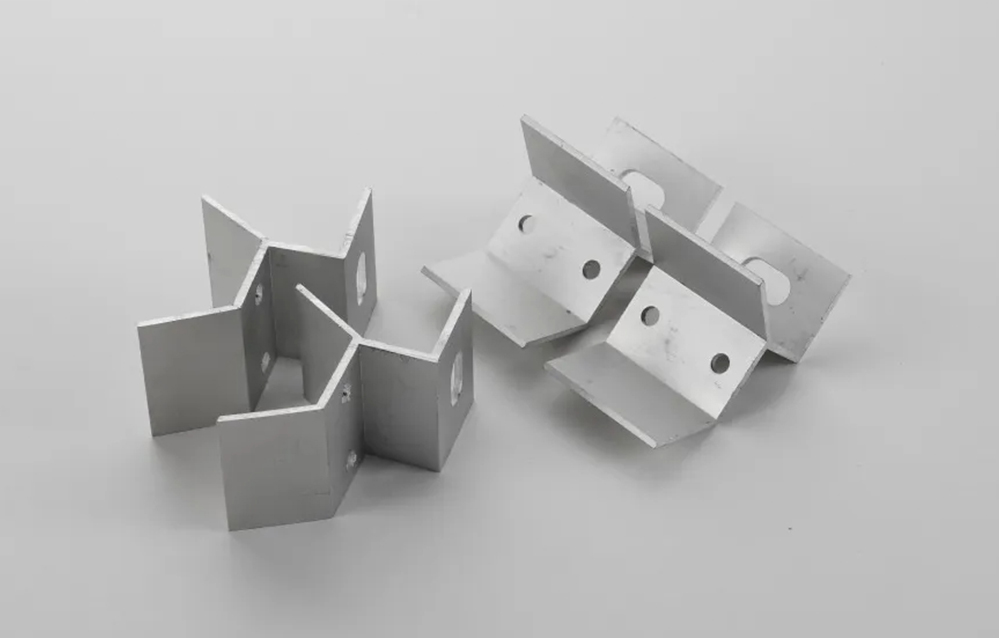
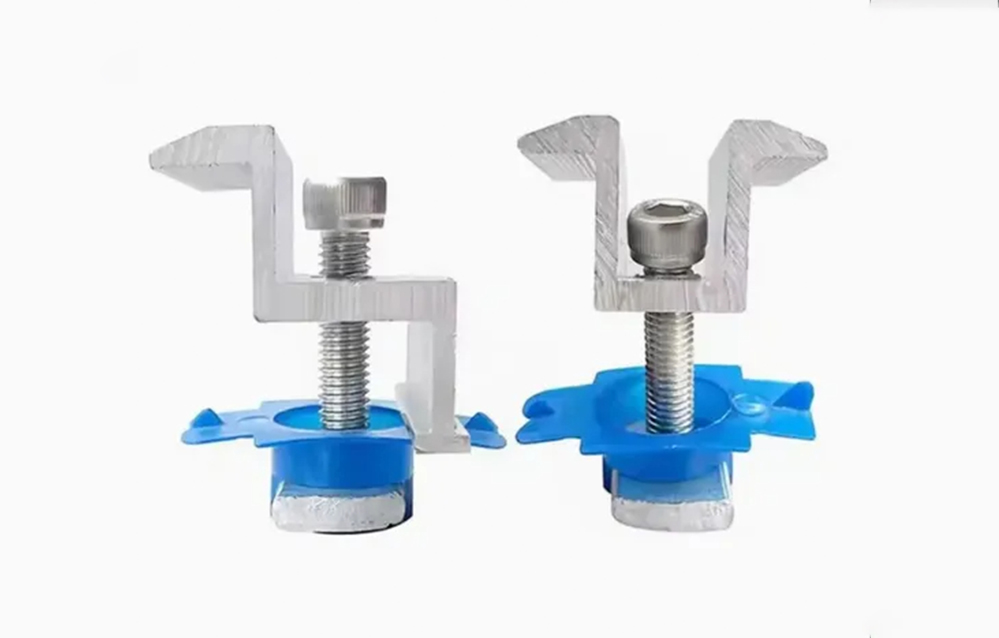
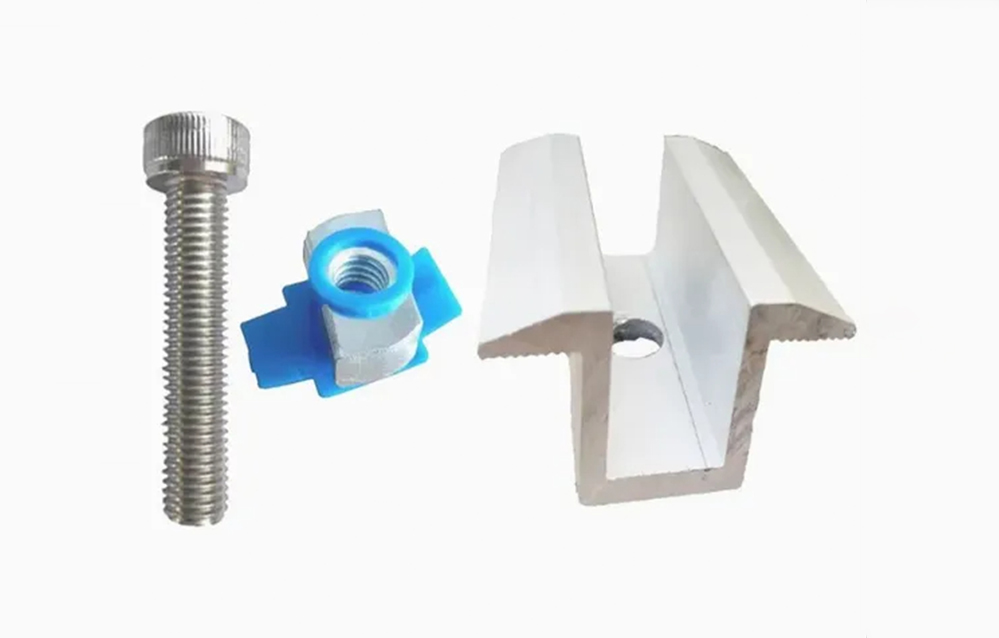
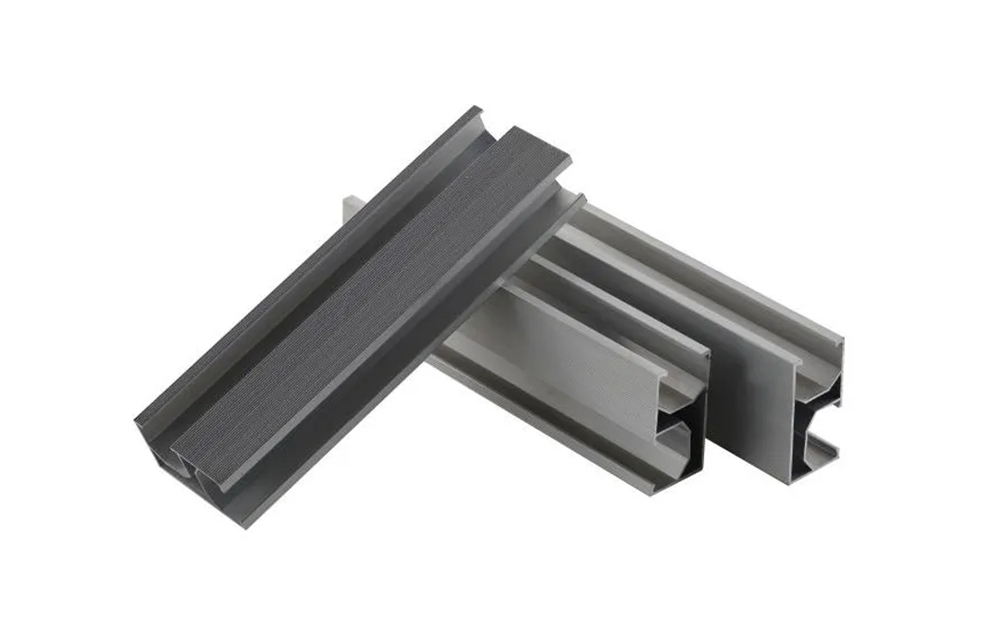
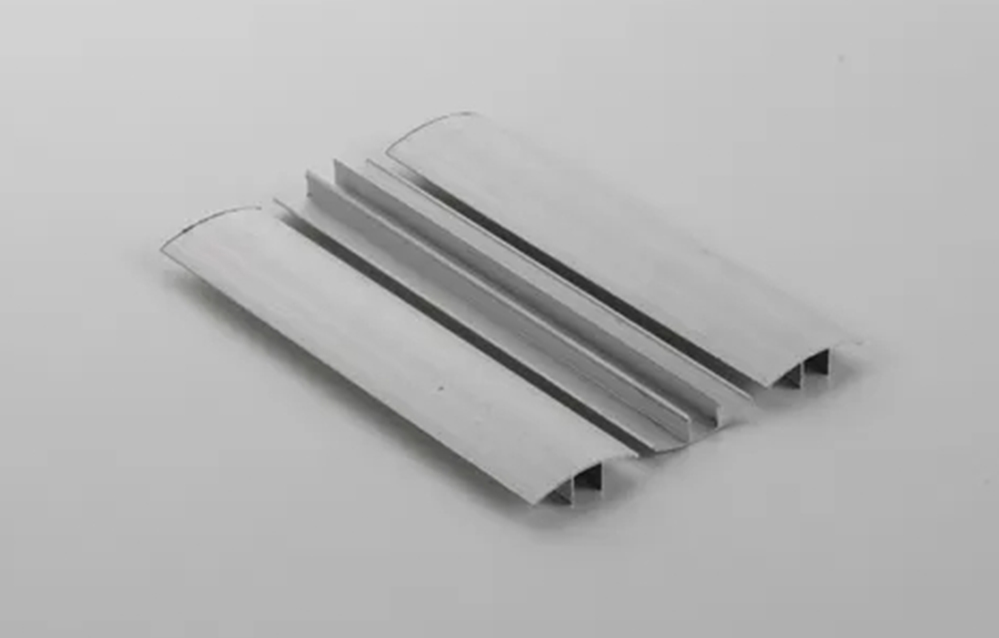
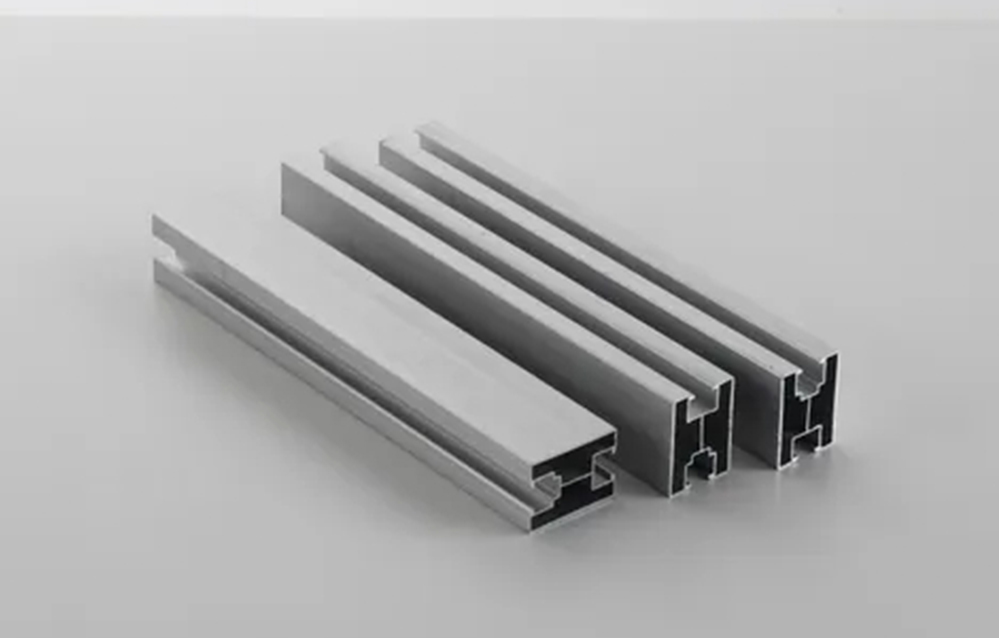
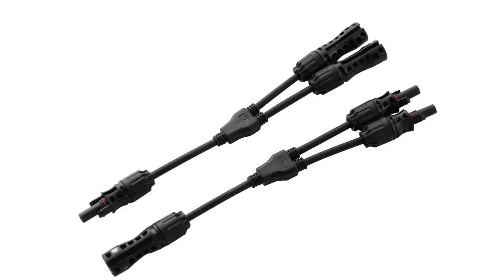
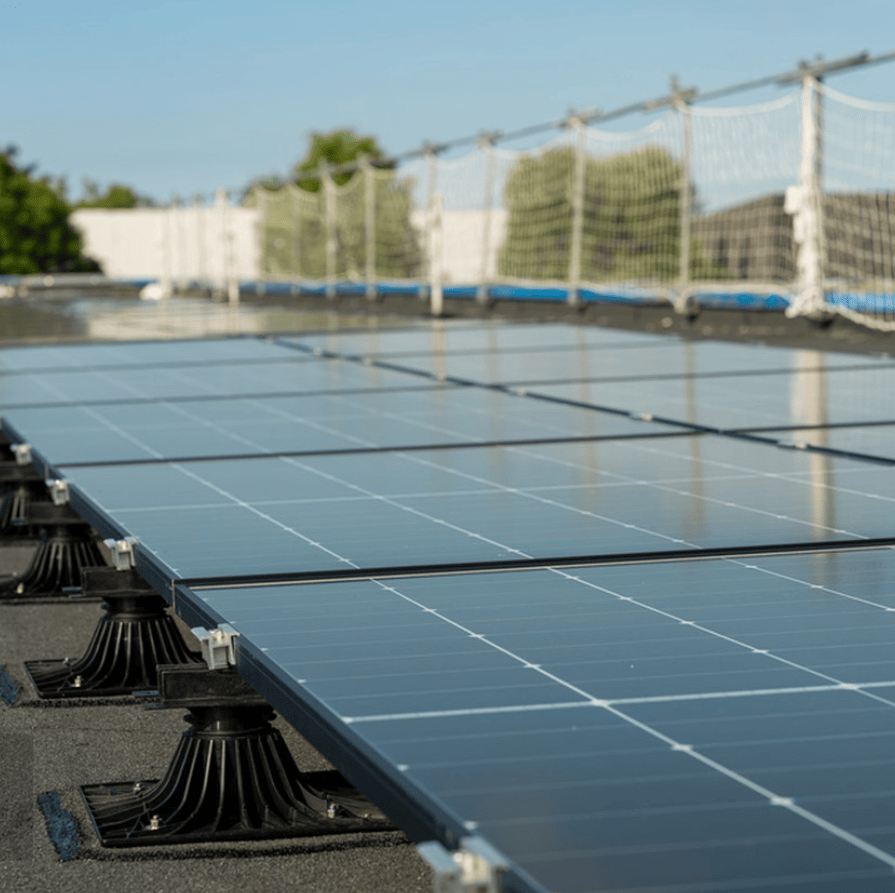
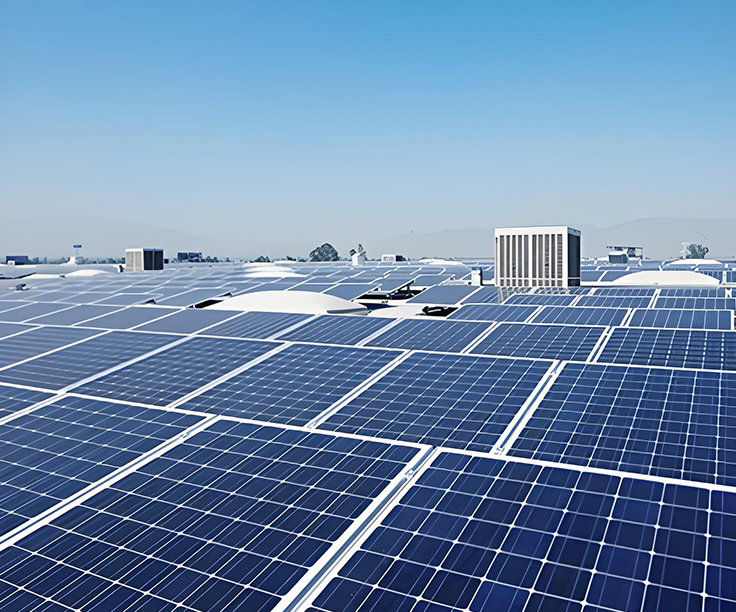
Solar Racking Systems play a crucial role in the installation and longevity of solar panels on residential properties. Adequately designed racking systems must adhere to load capacity and wind resistance standards to ensure safety, efficiency, and compliance with local building codes. This article delves into the essential aspects of load capacity and wind resistance, helping homeowners and installers make informed decisions when choosing and installing solar racking solutions.
What Are Solar Racking Systems?
- Definition and Purpose
- A solar racking system securely mounts solar panels to rooftops or ground arrays.
- They provide the necessary support and alignment for optimal solar energy collection.
Importance of Load Capacity in Solar Racking Systems
- Understanding Load Capacity
- Definition: The maximum weight a racking system can support without structural failure.
- Factors Affecting Load Capacity:
- Material quality (e.g., aluminum, steel).
- Design specifications and engineering standards.
- Calculating Load Requirements
- Assess the combined weight of solar panels and additional equipment (e.g., inverters).
- Consider local snow loads and maintenance loads when calculating.
- Compliance with Standards
- Review local building codes and regulations to ensure compliance.
- Refer to resources like the International Code Council (ICC) for accepted practices.
Wind Resistance in Solar Racking Systems
- Understanding Wind Resistance
- Definition: The ability of the racking system to withstand wind loads without displacement or failure.
- Importance: Protects the integrity of solar installations against high winds, particularly in storm-prone areas.
- Evaluating Wind Load Factors
- Determine maximum wind speeds in your geographical location using resources like NOAA wind data.
- Consider design and layout of solar panels to minimize wind uplift.
- Best Practices for Ensuring Wind Resistance
- Select racking systems certified by recognized engineering agencies (e.g., UL, CSA).
- Implement additional anchoring solutions in high-wind areas.
- Regularly inspect and maintain racking systems for wear and structural integrity.
Choosing the Right Racking System
- Material Considerations
- Aluminum vs. Steel: Comparing weight, corrosion resistance, and cost.
- Impact of Material on Load Capacity and Wind Resistance.
- Manufacturer Standards and Reputable Brands
- Research and choose manufacturers that comply with ISO, IEC, and other relevant standards.
- Examples: Huitai Photovoltaic is known for high-quality racking systems meeting industry standards.
Installation Best Practices for Optimal Performance
- Pre-Installation Planning
- Conduct a site assessment to evaluate structural integrity and orientation.
- Ensure all components are accessible for future maintenance.
- Proper Installation Techniques
- Follow manufacturer instructions religiously.
- Utilize certified installation professionals to guarantee adherence to safety standards.
Regular Maintenance and Inspections
- Setting a Maintenance Schedule
- Recommend bi-annual inspections, particularly before severe weather seasons.
- Look for signs of wear or damage to racking systems.
- Updating Load and Wind Resistance Assessment
- Reassess load capacity if additional panels or equipment are installed.
- Check wind resistance features regularly based on changing local regulations.
Conclusion
Understanding load capacity and wind resistance requirements for solar racking systems is essential for ensuring that your solar power installation is safe, effective, and compliant with local building codes. By evaluating your location, selecting appropriate materials, adhering to best practices, and committing to regular maintenance, you can maximize the lifespan and performance of your solar racking system. For more information, visit Huitai Photovoltaic for high-quality solar racking solutions.