Oct.29,2026
Share
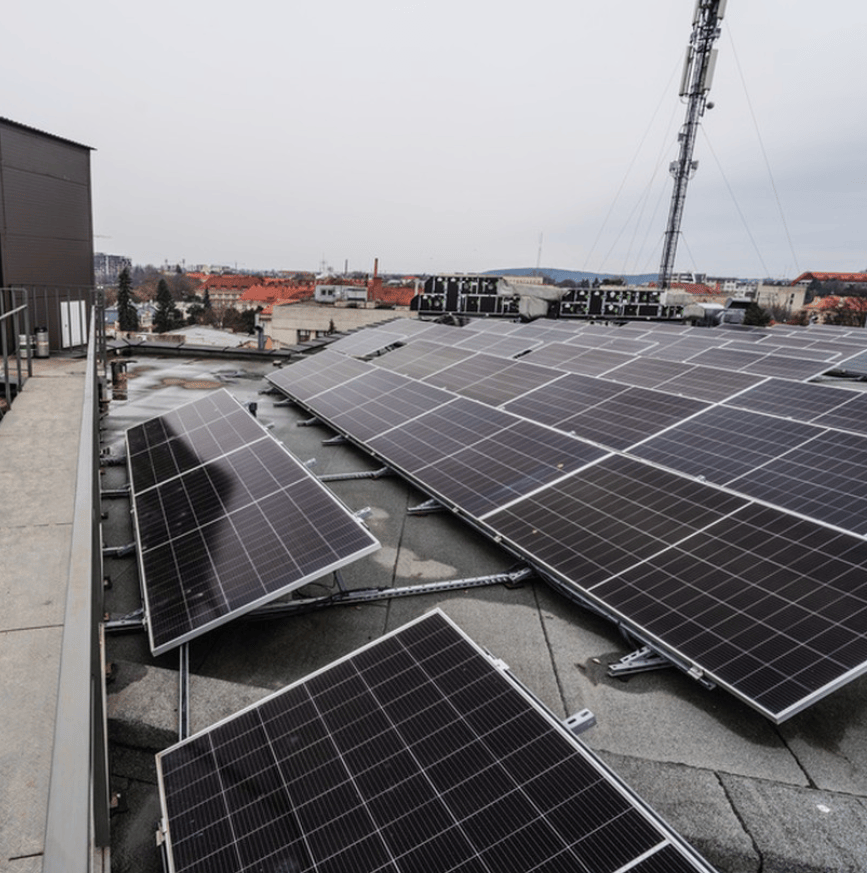
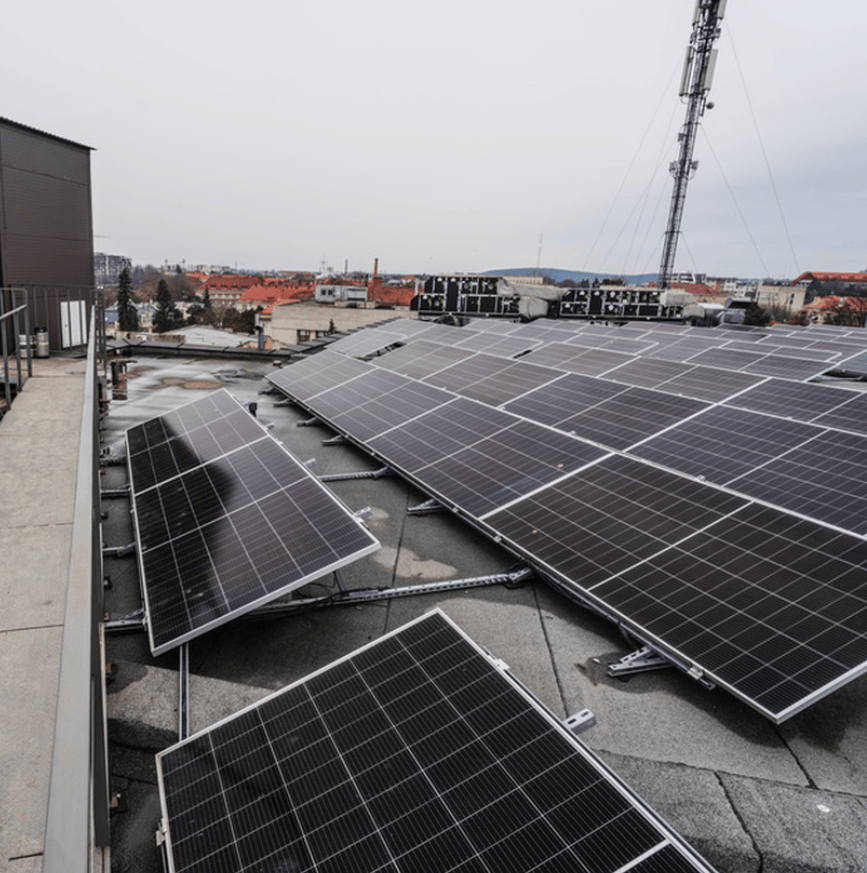
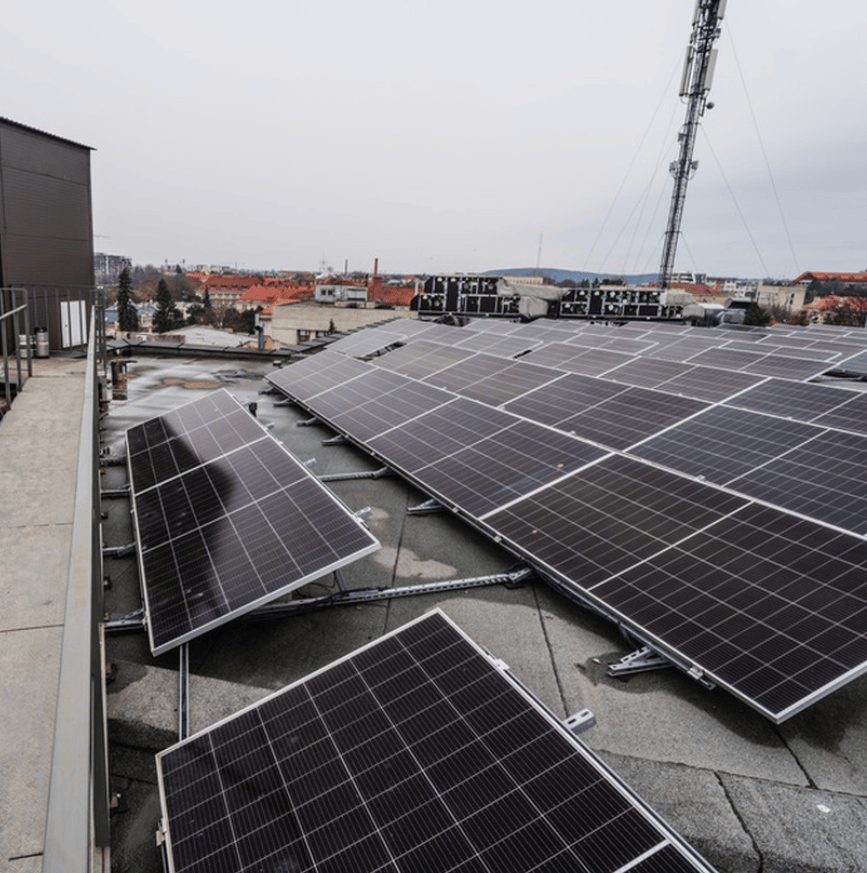
Optimizing the tilt angle of solar panels on flat roofs isn’t just about aesthetics; it's a crucial factor in maximizing energy output. Employing a well-researched design tailored to your specific environmental conditions is key to enhancing photovoltaic performance. Whether you’re a beginner stepping into solar energy or an experienced installer, I’ll guide you through actionable steps and considerations in the Optimal Tilt Angle Design for Flat Roof Solar Mounting Systems to Maximize Output.
As a trusted Solar Mounting Supplier, we have developed effective strategies that balance technical precision and practicality, resulting in maximum energy efficiency.
The tilt of your solar panels significantly affects their energy production. By adjusting the angle, you can capture more sunlight throughout the day and across seasons. The optimal tilt angle generally matches your latitude; however, various factors like local weather conditions and roof structure may necessitate adjustments.
Case Study: Our client, a commercial facility owner, increased energy production by 25% after conducting a thorough site assessment to adjust their tilt configuration based on specific environmental data.
Throughout the execution of your design, challenges such as restricted roof space or unexpected weather can arise. For tight spaces, consider using adjustable mounting systems that allow for angle variability while adhering to local building codes. Further, ensure all your personnel are trained on weather safety protocols if working during colder seasons.
In summary, employing an optimal tilt angle design for flat roof solar mounting systems is crucial for maximizing output. By performing thorough site assessments, calculating angles based on latitude and seasonal variations, and ensuring structural integrity during installation, you’ll significantly enhance the efficiency of your solar energy system.
I encourage you to participate in this sustainable energy movement and commission reliable Solar Mounting Suppliers for professional guidance. Implement these strategies with precision, and you could experience a transformative boost in your solar energy production.
By investing time in these steps and utilizing reliable industry tools, you can enjoy the direct benefits of increased energy generation and contribute to a sustainable future. Don’t hesitate—let's harness the power of optimized solar energy together!
More News
Hot Products

High Quality Metal Fabrication Clamps Solid Integral Stainless Steel Integrated Clamp A
Usage: Heavy Duty Clamp, Pipe Clamp, Glass Clamp
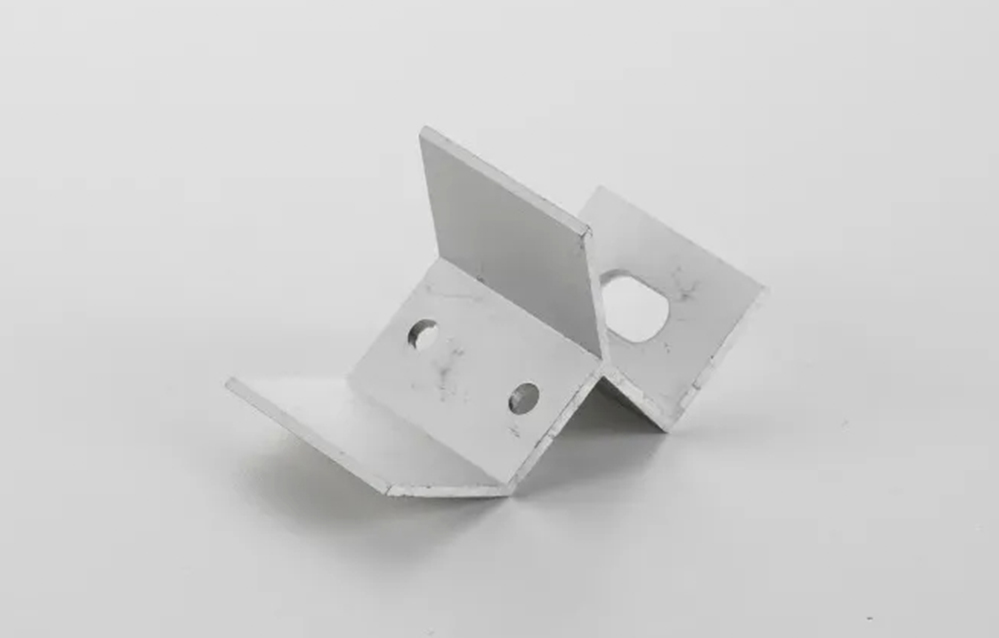
UV & Moisture Resistant Solar Panel Clamp with Custom Sizes
Customization: Available
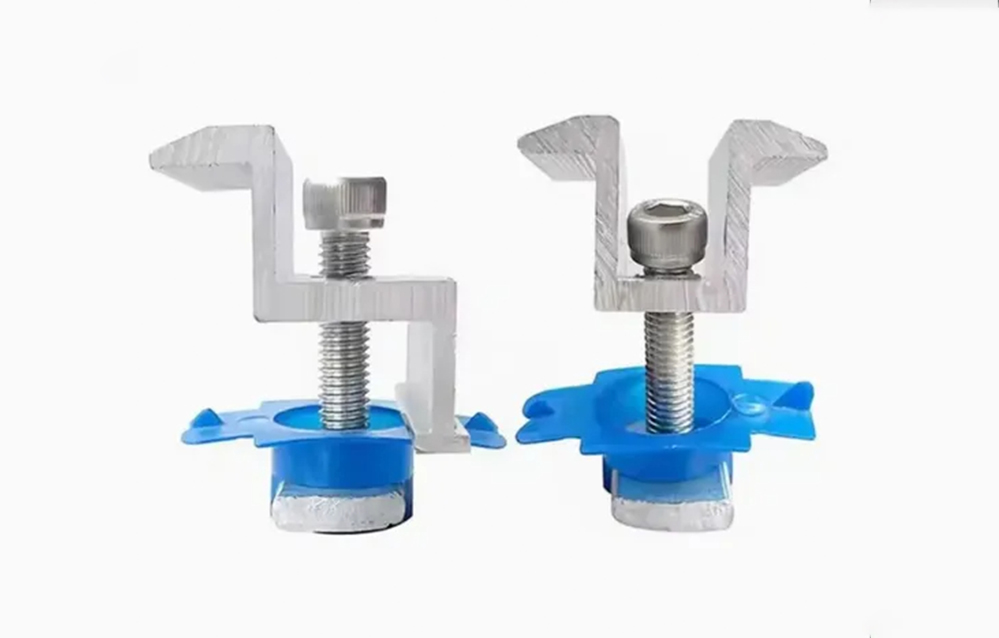
Reliable Solar Photovoltaic Medium Voltage Block with Aluminum Alloy
Material: Aluminum Alloy
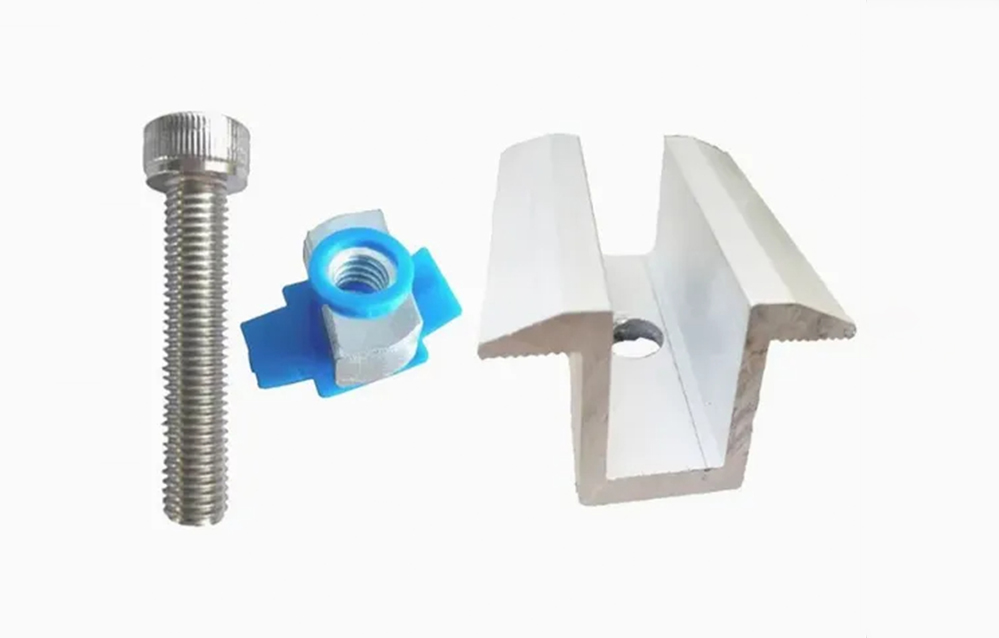
Solar Photovoltaic Panel Medium Voltage Block 50 Long
Material: Aluminum Alloy
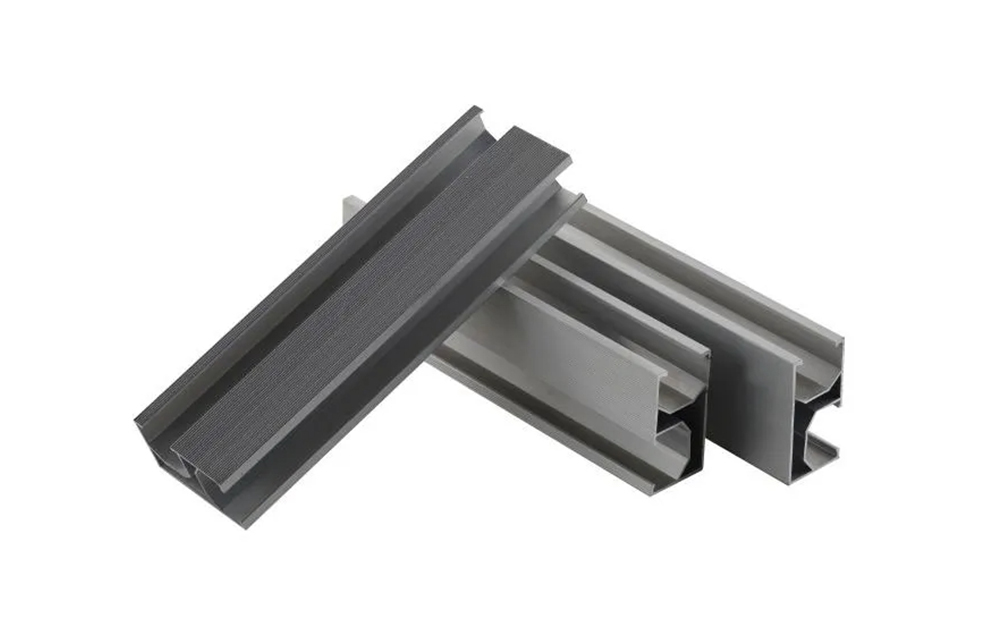
Premium Solar Panel Mounting Rail System for PV Installation
Customization: Available
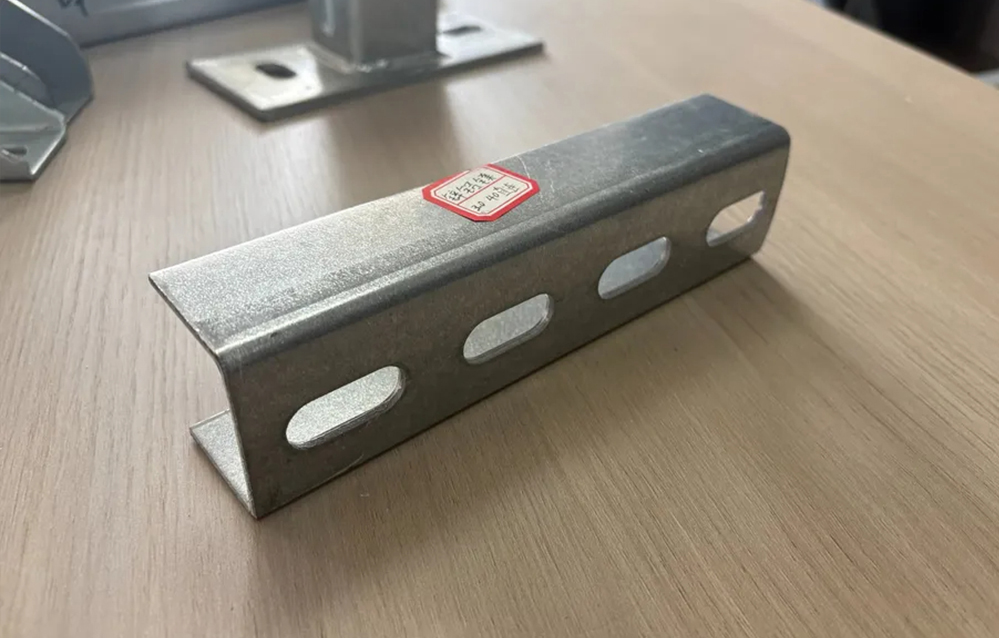
High Strength Heavy Duty Pre Galvanized Steel Solar Mounting Bracket for Ground Mount Systems
After-sales Service: 24-Hour Service