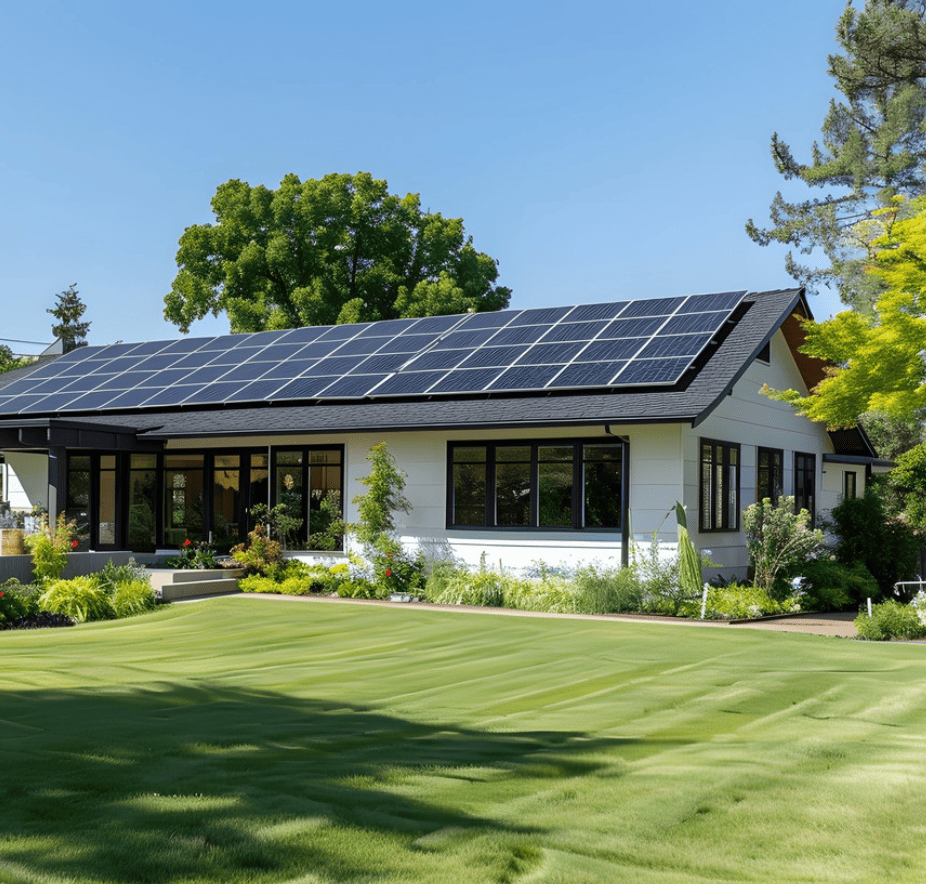
Permit and Building Code Considerations When Installing a Solar Racking System at Home

Home > News > Permit and Building Code Considerations When Installing a Solar Racking System at Home

Permit and Building Code Considerations When Installing a Solar Racking System at Home

Aug.03,2026

Share

Installing Solar Racking Systems at home can significantly increase your energy efficiency and reduce electricity costs. However, navigating the related permitting and building codes can be daunting for homeowners. Ensuring that your solar racking system meets local regulations is crucial for a successful installation and can prevent costly delays. This guide will provide you with actionable steps to understand and comply with permitting requirements and building codes essential for a seamless installation.

Understanding Solar Racking Systems

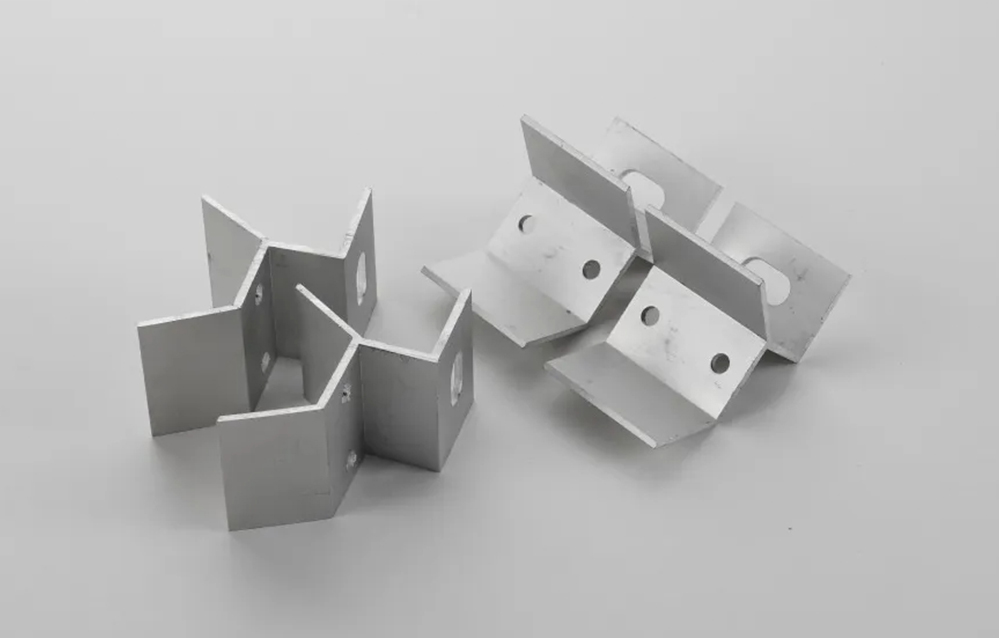
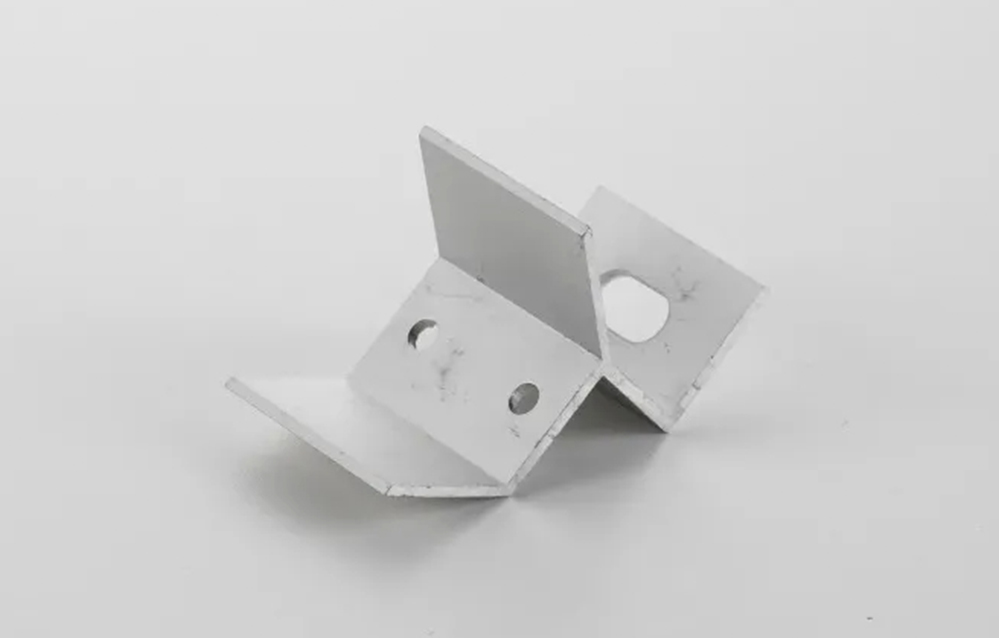
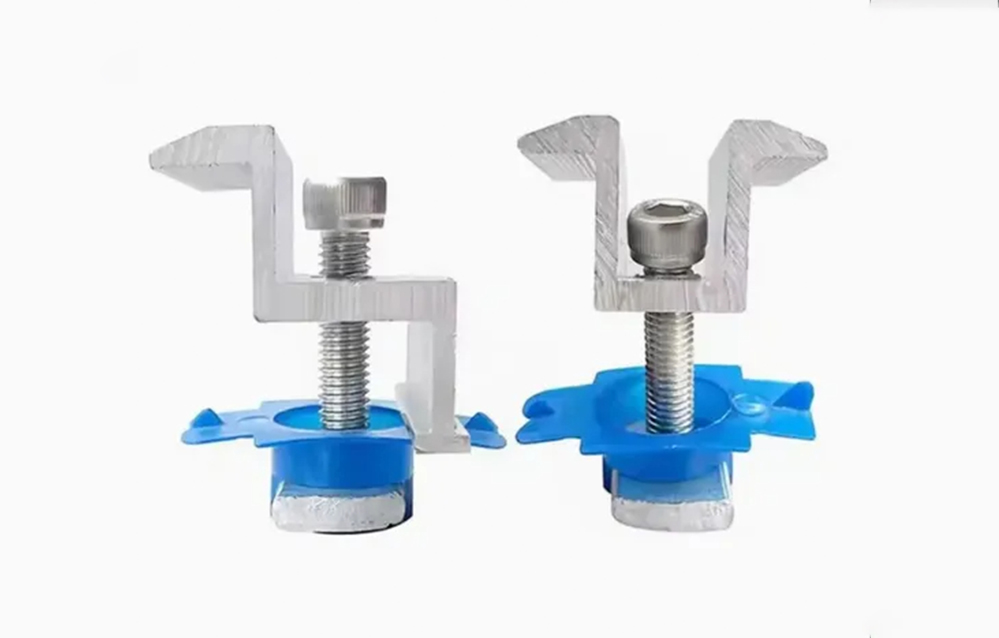
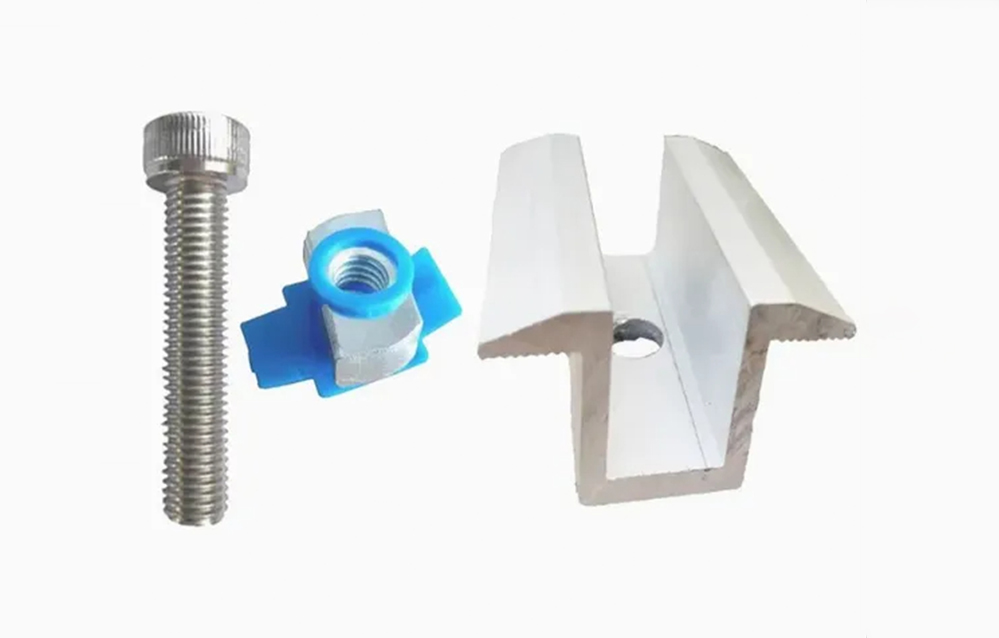
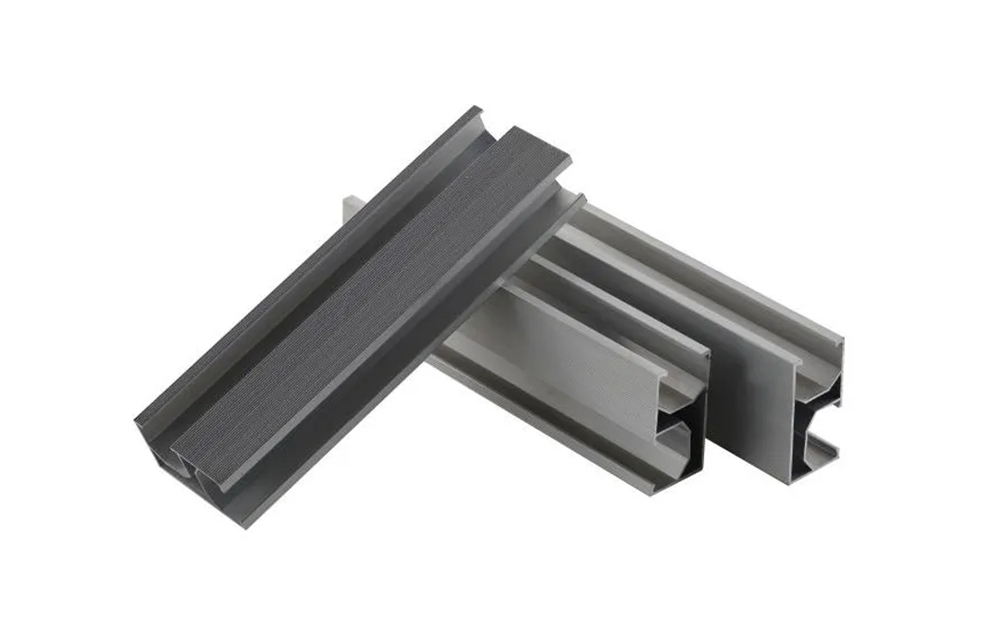
Before diving into the permitting process, it's important to understand what solar racking systems are. These systems support and secure solar panels on your roof or ground installations, maximizing sunlight exposure and energy capture. Selecting the right type of racking system, whether fixed, adjustable, or tracking, is essential to optimize your solar energy setup.

1. Research Local Regulations

  • Check Local Zoning Laws: Visit your local government website or contact city planning to learn about zoning requirements for solar installations.
  • Contact Building Authorities: Reach out to building permit offices to understand specific guidelines for residential solar racking systems.
  • Examine State and Federal Incentives: Investigate any state or federal guidelines that provide financial assistance or incentives for renewable energy installations.

2. Obtain Necessary Permits

  • Building Permit: Apply for a building permit to ensure your installation meets safety and structural integrity standards. Check if there are fees involved and what documentation is necessary.
  • Electrical Permit: If your solar racking system includes wiring for the solar panels, you may need an electrical permit as well. Ensure you comply with the National Electrical Code (NEC) requirements.

3. Choose a Certified Installer

  • Verify Credentials: Choose an installer with certifications such as NABCEP (North American Board of Certified Energy Practitioners) to ensure expertise in solar energy systems.
  • Request Documentation: Ensure your installer provides documentation and warranties that comply with local codes and regulations.

4. Prepare for Inspections

  • Schedule Inspections: Coordinate with local building departments for inspections at various stages of installation.
  • Documentation: Keep records of all permits, inspections, and correspondence with local authorities as proof of compliance.

5. Understand Homeowners' Associations (HOAs) Rules

  • Review HOA Guidelines: If you live in a community regulated by a Homeowners' Association, review their guidelines. Some HOAs have specific restrictions on solar panel installations.
  • Seek Approval: Obtain writing permission if required by the HOA before proceeding with your installation.

6. Stay Informed on Technology and Code Changes

  • Join Local Solar Groups: Engage with community solar advocacy groups to stay updated on industry developments and code changes.
  • Regular Review: Periodically check for updates from local authorities regarding building codes that might impact your installation.

Benefits of Compliance

  • Safety Assurance: Complying with building codes ensures safety for your home and its occupants.
  • Increased Property Value: A properly installed solar racking system can increase your property’s value and appeal to eco-conscious buyers.
  • Incentives and Insurance: Compliance may ensure eligibility for state and federal incentives and can protect your insurance coverage.

Conclusion and Key Recommendations

Installing a solar racking system at home can yield substantial benefits, but adhering to local building codes and permit requirements is paramount. By performing diligent research, obtaining necessary permits, and choosing certified installers, you can ensure a successful installation. For more insights into solar technology and solutions, consider visiting Huitai Photovoltaic for comprehensive resources.

Additional Considerations

  • Weather Conditions: Assess how local weather patterns may affect solar panel performance and structural integrity.
  • Insurance Requirements: Contact your homeowner's insurance provider about any changes you might need to make regarding solar installations.

More News

Hot Products