Nov.16,2026
Share
As a Solar Mounting Supplier, understanding the nuances of permitting, zoning, and environmental compliance for solar ground mount installations is crucial for developers, contractors, and homeowners interested in renewable energy solutions. The primary problem faced by many stakeholders is navigating the complex regulatory landscape that governs solar installations. This article aims to demystify the permitting and zoning process, clarify the necessary environmental compliance requirements, and ultimately provide a pathway to successful solar ground mount deployment.
To effectively engage in solar ground mount installations, it is essential to become familiar with key terminology and principles that characterize the solar energy sector. Some important terms include:
The background surrounding these concepts is crucial, particularly as more regions adopt solar-friendly policies. According to recent data, solar ground mount systems have seen a year-on-year growth of 20%, emphasizing the importance of clear and effective processes in this expanding sector.
Begin by thoroughly evaluating the installation site. Utilize tools like GIS (Geographic Information Systems) to determine land use compatibility. Consider factors such as:
Once the site is assessed, the next step is to obtain the required permits. This typically involves:
Navigating zoning regulations can be complex. Ensure you:
To ensure compliance with environmental regulations, perform impact studies. This includes:
Once permits are secured, proceed with installation. Key steps include:
Costs can significantly vary by location, often ranging from a few hundred to several thousand dollars, depending on the complexity of the project and local government requirements.
The timing can vary greatly, but on average, the permitting process for Solar Ground Mounts takes about 4 to 8 weeks.
Yes, many states offer incentives and financing programs designed to assist with the upfront costs of solar projects, including permitting fees. Savings can exceed 30% with state and federal incentives combined.
For those looking to dive deeper into the world of solar ground mounts, consider exploring advanced topics such as:
For successful solar ground mount installations that comply with all necessary regulations, we recommend reaching out to Huitai Photovoltaic. With comprehensive services, from permitting and zoning assistance to environmentally compliant installation solutions, Huitai Photovoltaic positions itself as a trusted partner in navigating the regulatory landscape of solar energy systems. For more information, visit Huitai Photovoltaic.
More News
Hot Products

High Quality Metal Fabrication Clamps Solid Integral Stainless Steel Integrated Clamp A
Usage: Heavy Duty Clamp, Pipe Clamp, Glass Clamp
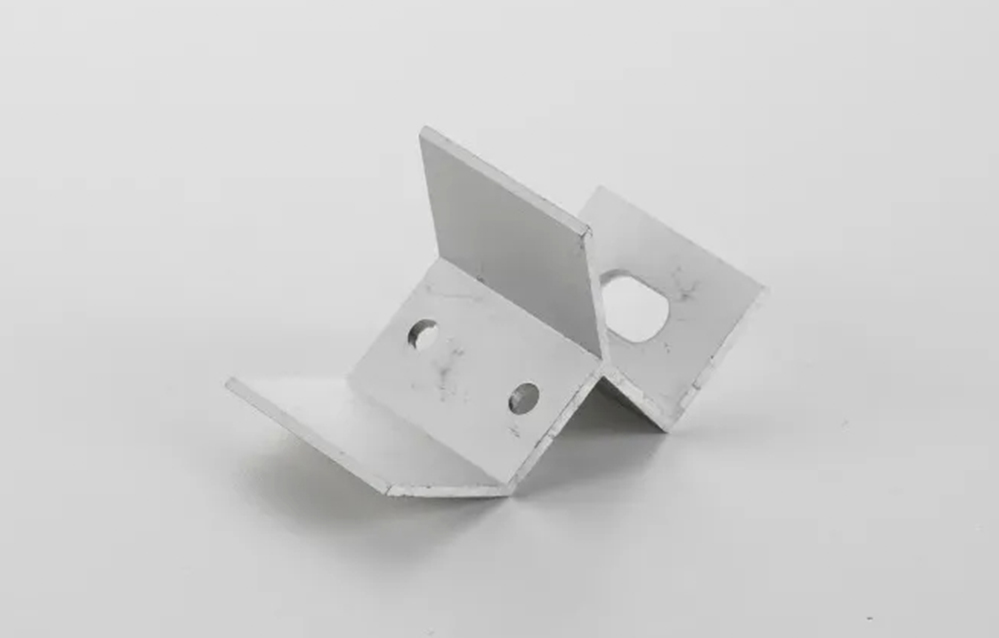
UV & Moisture Resistant Solar Panel Clamp with Custom Sizes
Customization: Available
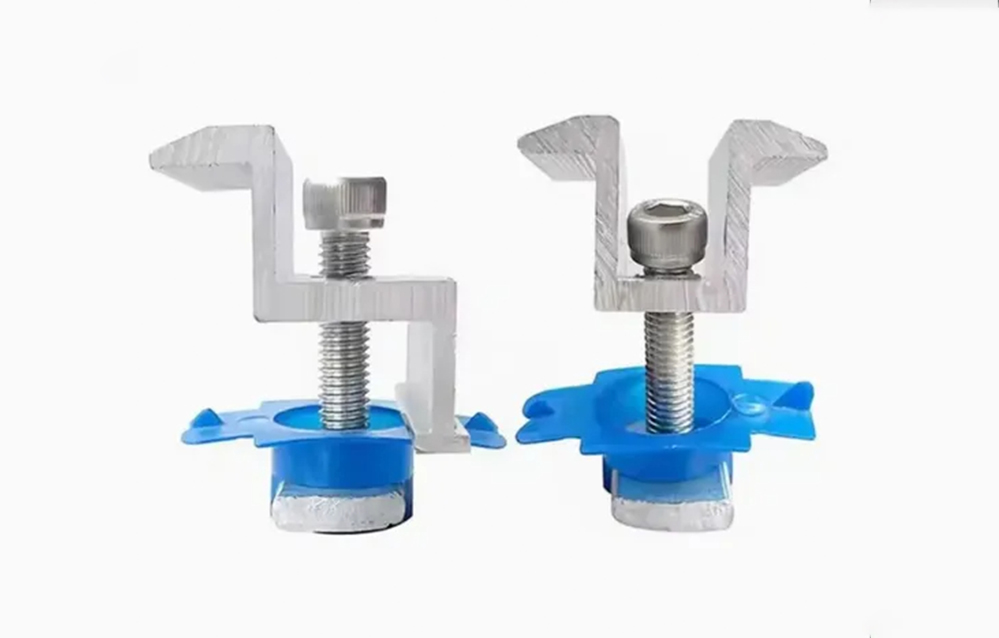
Reliable Solar Photovoltaic Medium Voltage Block with Aluminum Alloy
Material: Aluminum Alloy
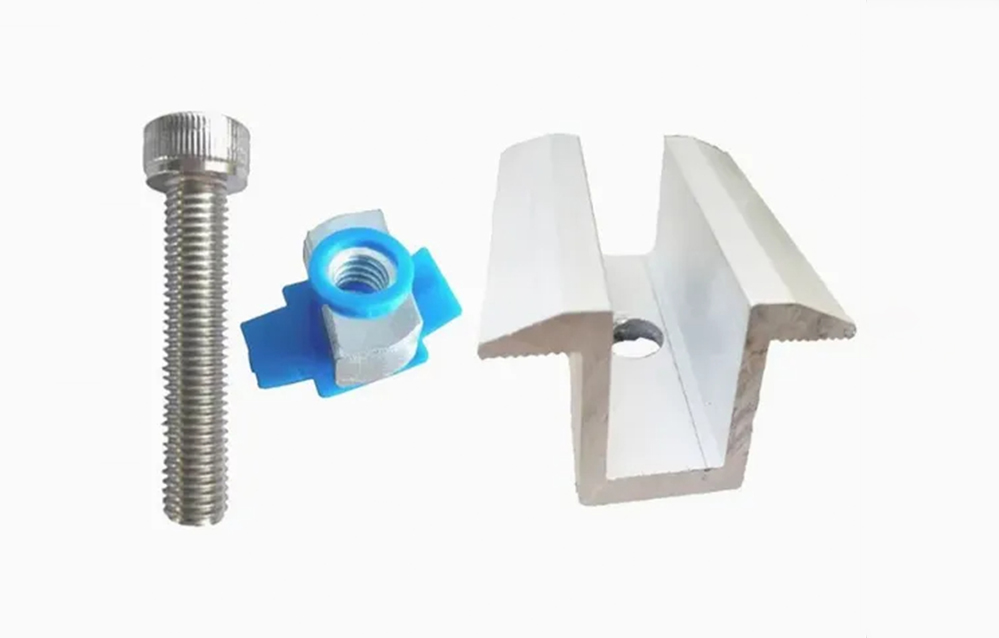
Solar Photovoltaic Panel Medium Voltage Block 50 Long
Material: Aluminum Alloy
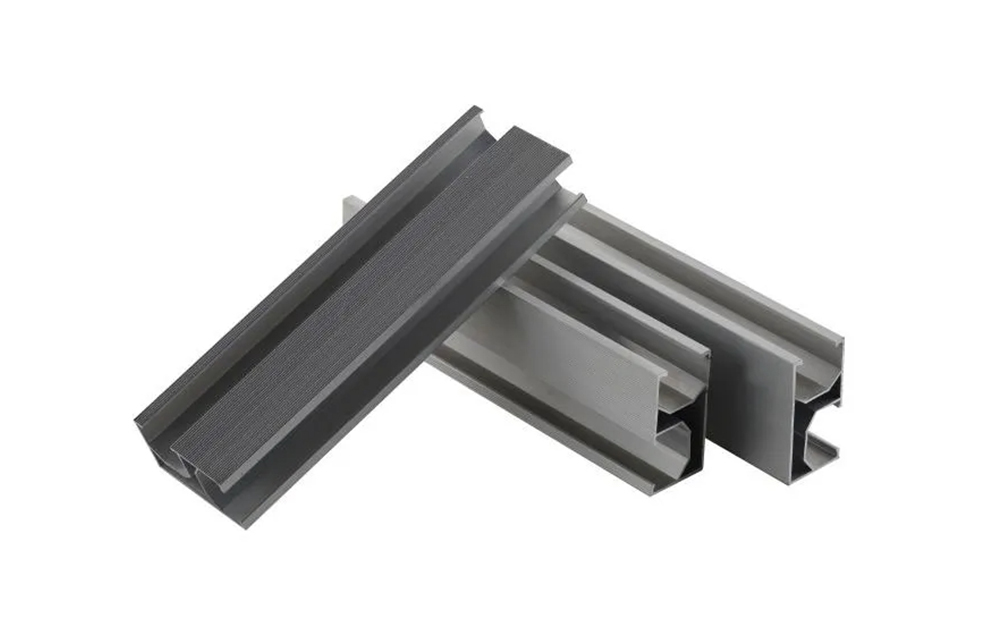
Premium Solar Panel Mounting Rail System for PV Installation
Customization: Available
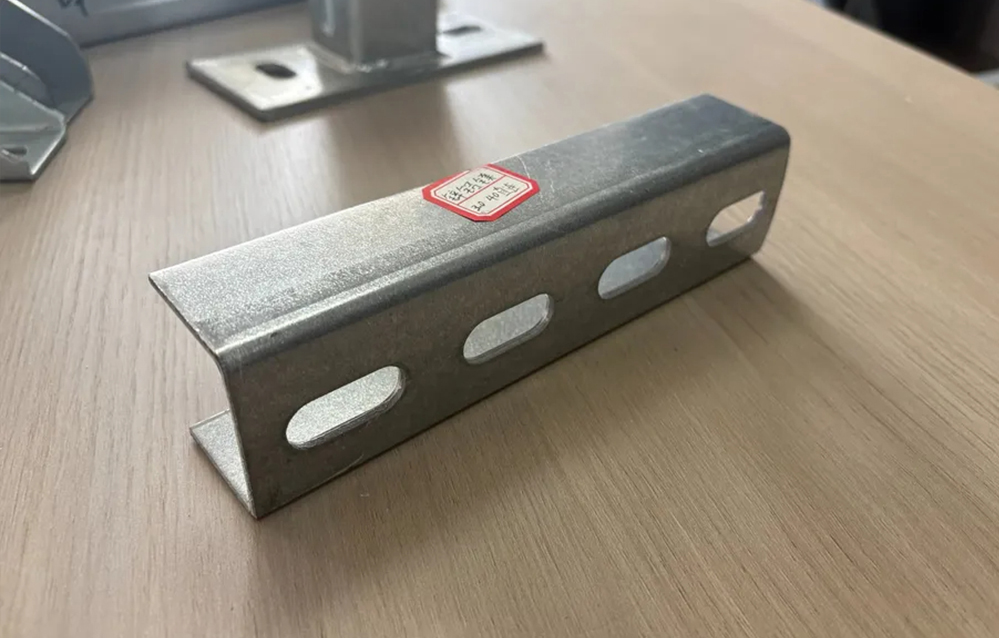
High Strength Heavy Duty Pre Galvanized Steel Solar Mounting Bracket for Ground Mount Systems
After-sales Service: 24-Hour Service