Aug.04,2026
Share
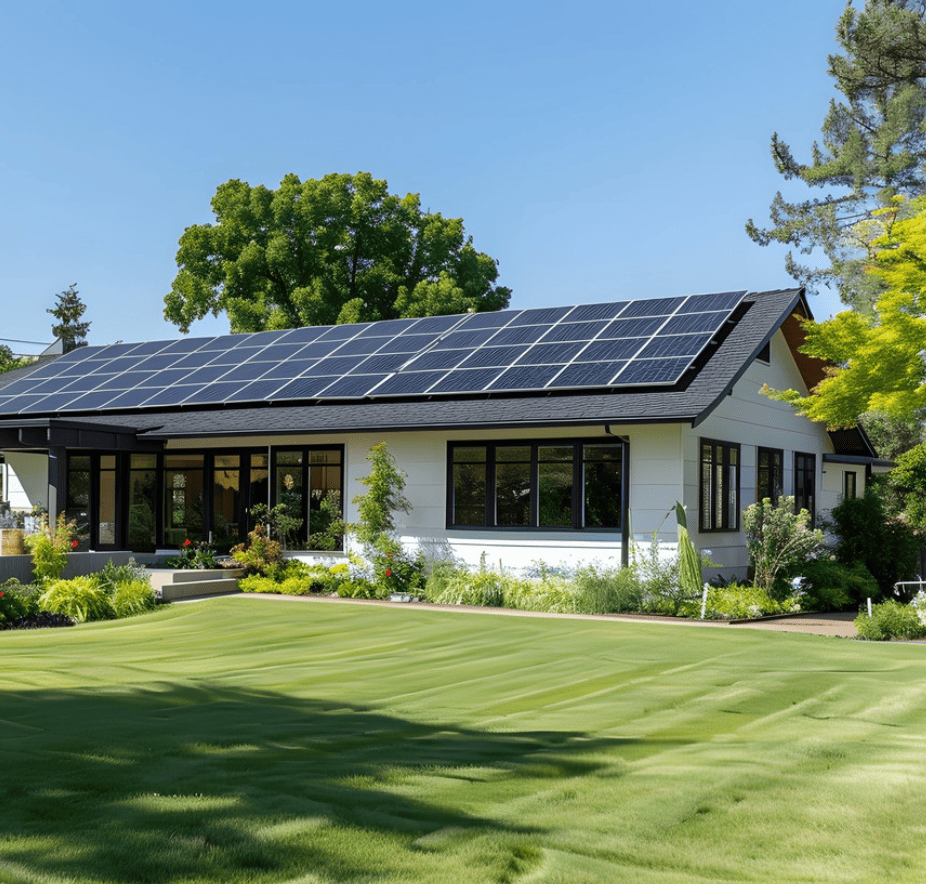
A solar mounting system is a critical component for supporting solar panels, ensuring they are securely positioned for optimal sunlight exposure. These systems can be divided into two main categories: roof-mounted and ground-mounted. Each type has its unique installation processes and performance characteristics.
| Parameter | Roof-Mounted | Ground-Mounted |
|---|---|---|
| Installation Cost | Generally lower due to accessibility | Higher due to preparation and ground leveling |
| Space Requirement | Limited to roof area | Flexible, larger area available |
| Maintenance | Requires roof access; potentially more difficult | Easier roadside access for maintenance |
| Stability | Dependent on roof type and condition | More stable; adjustable for optimal positioning |
The choice between roof-mounted and ground-mounted systems can significantly impact battery life and efficiency. Ground-mounted systems generally offer better sun exposure, allowing for more efficient solar energy conversion, which can prolong battery life.
Ground-mounted systems are often perceived as more stable, especially in adverse weather conditions. The structural control that can be achieved with ground mount installations can lead to improved performance and longevity.
Opt for roof-mounted systems when:
Choose ground-mounted systems when:
In summary, both roof-mounted and ground-mounted solar mounting systems have their distinct advantages and disadvantages. The best choice depends on land availability, budget constraints, and specific energy needs. Huitai Photovoltaic is committed to helping you choose the ideal solar mounting system to meet your energy goals. Visit our website for more information and resources on solar solutions: Huitai Photovoltaic.
More News
Hot Products
High Quality Metal Fabrication Clamps Solid Integral Stainless Steel Integrated Clamp A
Usage: Heavy Duty Clamp, Pipe Clamp, Glass Clamp
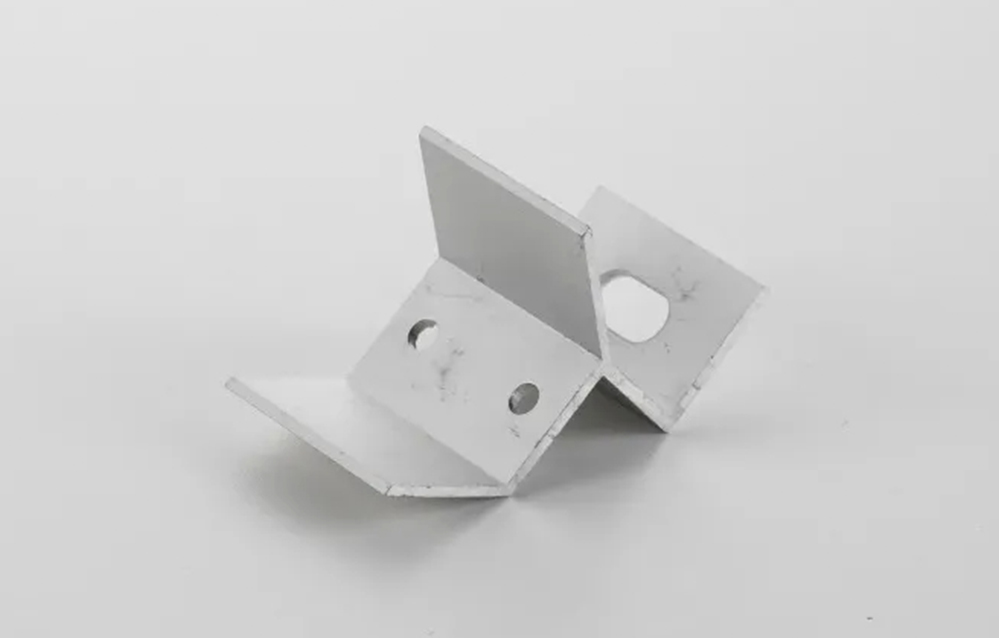
UV & Moisture Resistant Solar Panel Clamp with Custom Sizes
Customization: Available
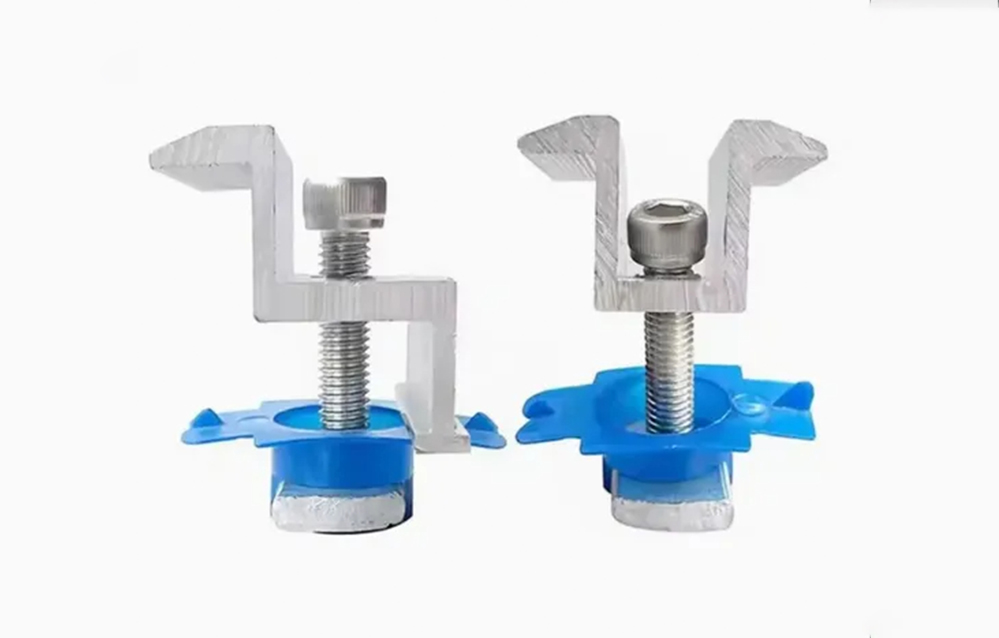
Reliable Solar Photovoltaic Medium Voltage Block with Aluminum Alloy
Material: Aluminum Alloy
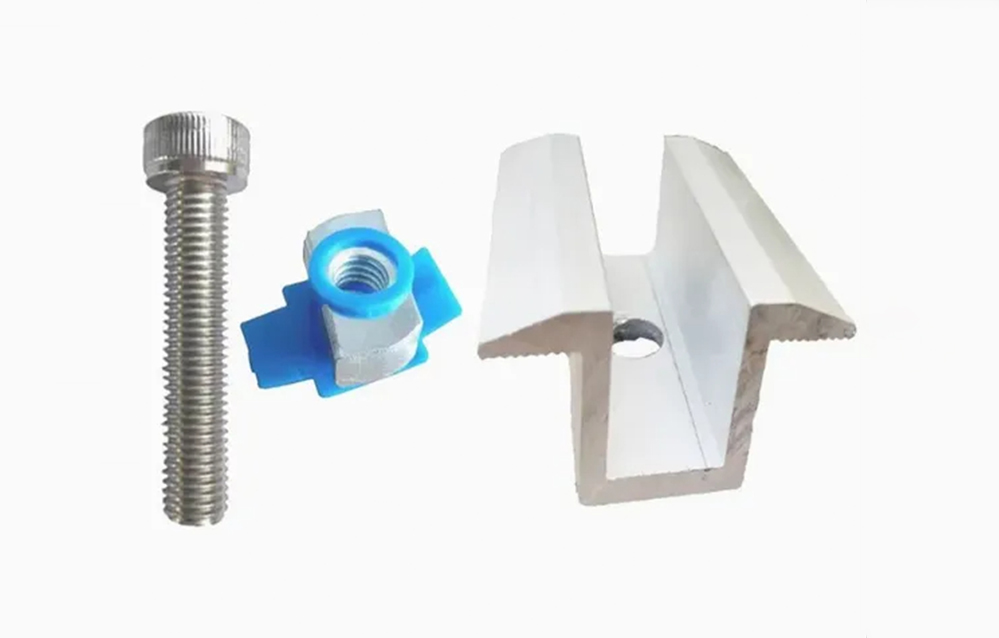
Solar Photovoltaic Panel Medium Voltage Block 50 Long
Material: Aluminum Alloy
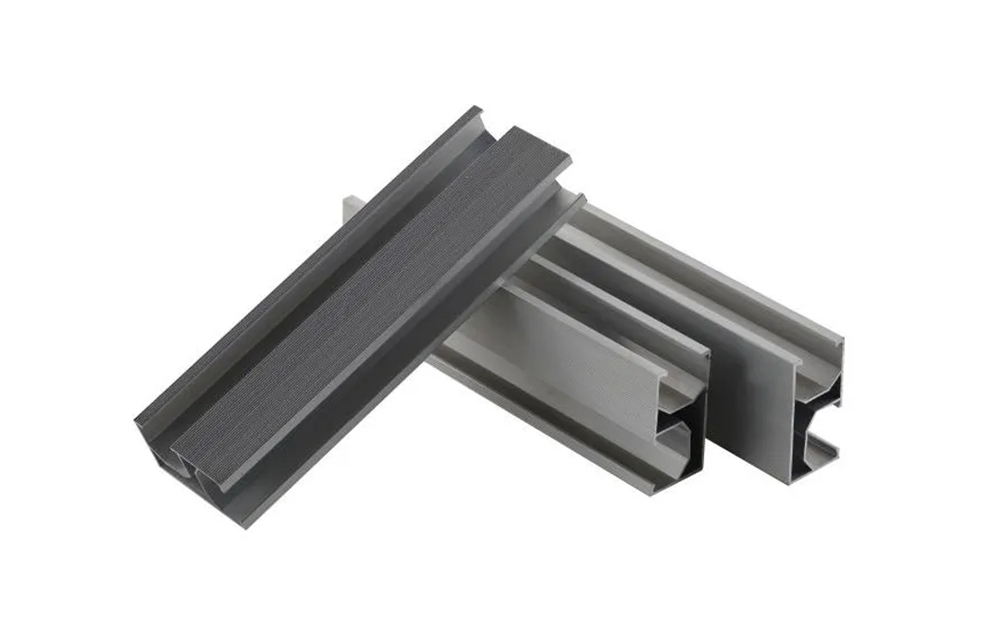
Premium Solar Panel Mounting Rail System for PV Installation
Customization: Available
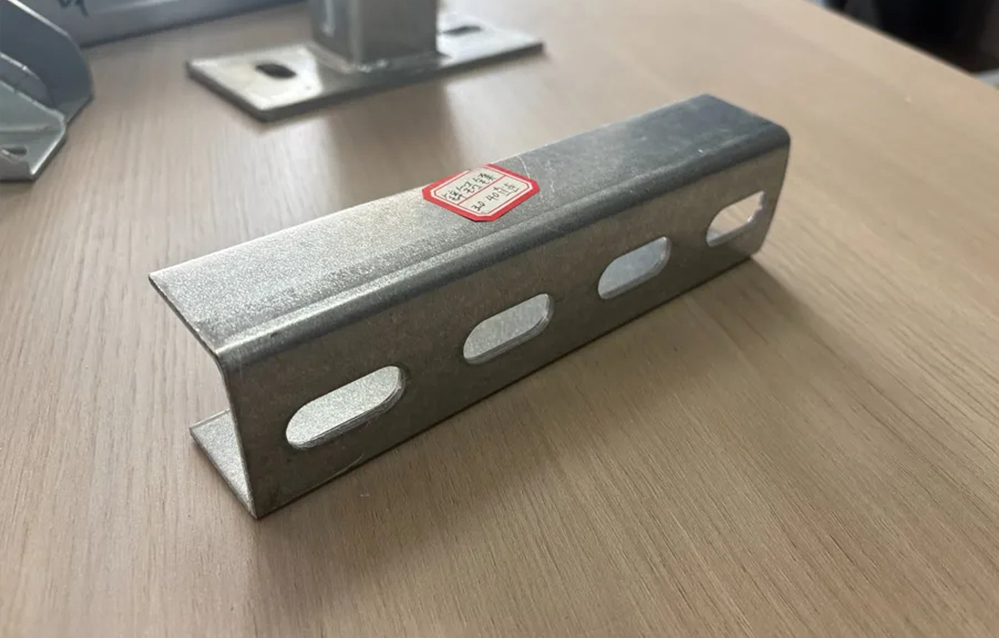
High Strength Heavy Duty Pre Galvanized Steel Solar Mounting Bracket for Ground Mount Systems
After-sales Service: 24-Hour Service