Oct.12,2026
Share
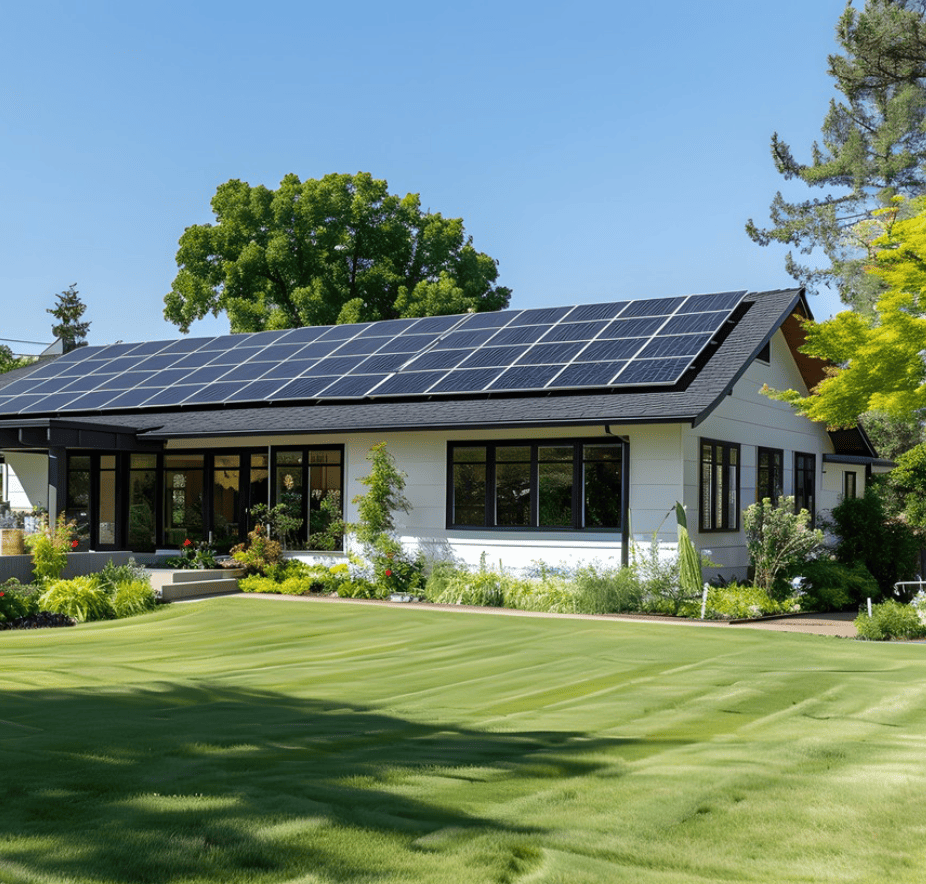
Metal roof solar mounting systems are essential for integrating solar panels efficiently onto your roof. They ensure stability, durability, and optimized energy production, making them an area of significant focus for homeowners and businesses investing in solar energy solutions.
The following table outlines critical parameters to evaluate when comparing standing seam and corrugated metal roof solar mounting systems:
| Parameter | Standing Seam | Corrugated Metal |
|---|---|---|
| Durability | Highly durable, weather-resistant | Good durability, but prone to corrosion |
| Installation Complexity | Requires specialized tools, moderate difficulty | Relatively easy to install, less specialized tools |
| Cost | Higher upfront cost | Lower upfront cost |
| Efficiency | Optimized for solar panel placement | Variable efficiency based on installation |
| Longevity | Lasts 40+ years with minimal maintenance | Lasts 20-30 years, potential for rust |
Customer feedback indicates that both systems have their pros and cons. Standing seam systems tend to perform better in extreme weather due to their secure sealing and robustness. In contrast, corrugated metal roofs may require more maintenance over time, especially in exposed environments.
When selecting a solar mounting system for metal roofs, consider the following advantages and disadvantages:
Understanding the specific needs of your user group helps in the decision-making process:
In conclusion, both standing seam and corrugated metal roof solar mounting systems have unique strengths and weaknesses. Evaluating these factors based on your specific needs and environment will lead to a more informed decision. At Huitai Photovoltaic, we offer advanced solutions for your solar energy investment. For more information, visit our website.
More News
Hot Products
High Quality Metal Fabrication Clamps Solid Integral Stainless Steel Integrated Clamp A
Usage: Heavy Duty Clamp, Pipe Clamp, Glass Clamp
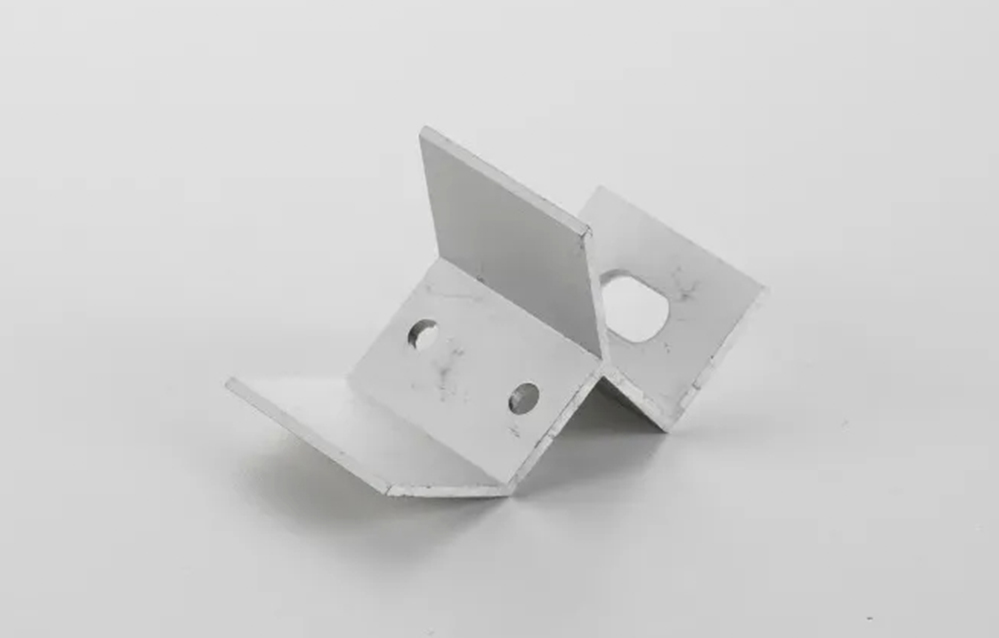
UV & Moisture Resistant Solar Panel Clamp with Custom Sizes
Customization: Available
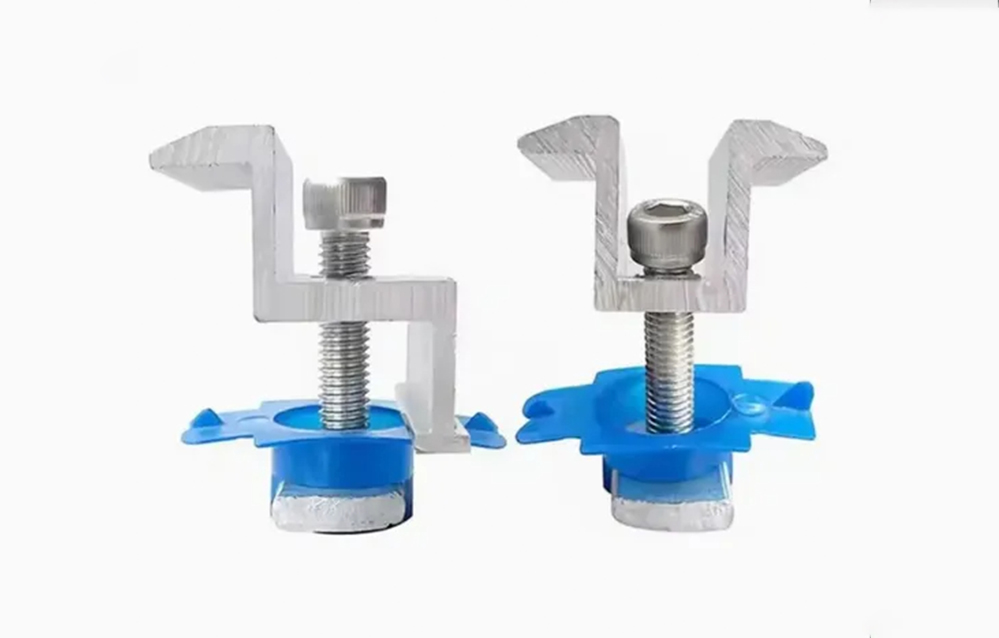
Reliable Solar Photovoltaic Medium Voltage Block with Aluminum Alloy
Material: Aluminum Alloy
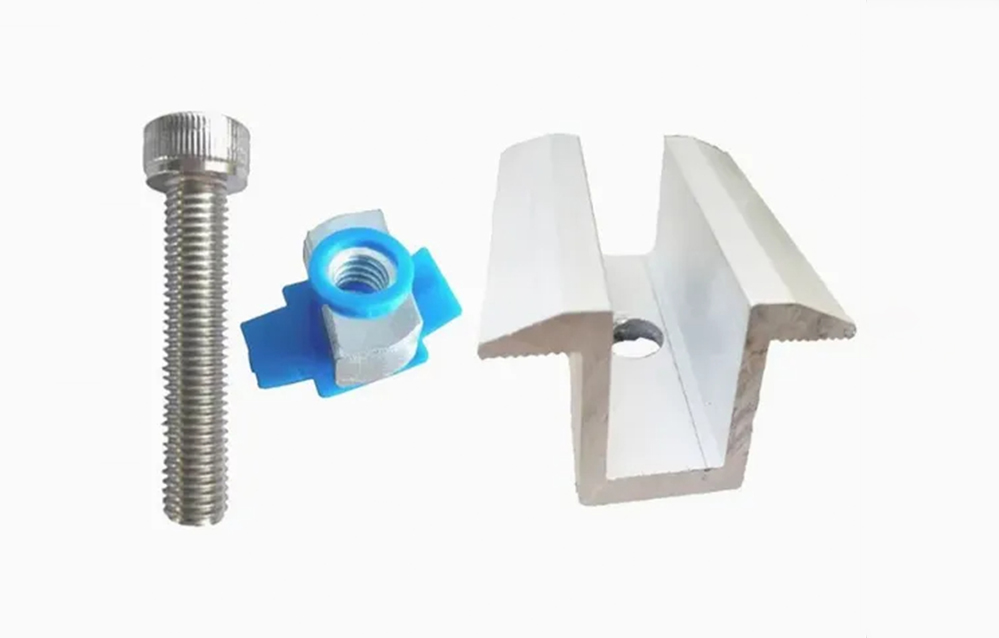
Solar Photovoltaic Panel Medium Voltage Block 50 Long
Material: Aluminum Alloy
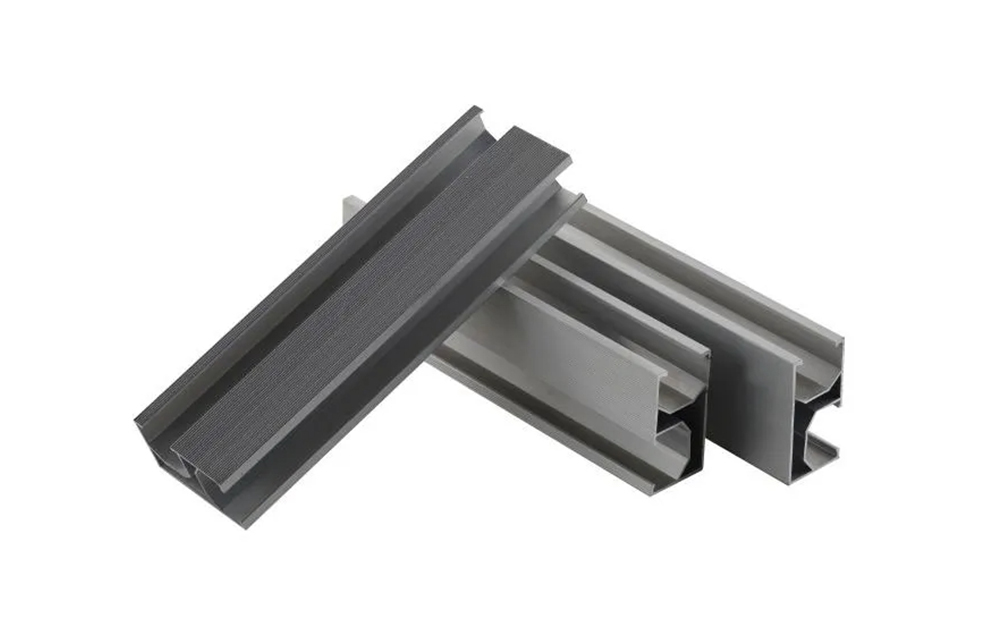
Premium Solar Panel Mounting Rail System for PV Installation
Customization: Available
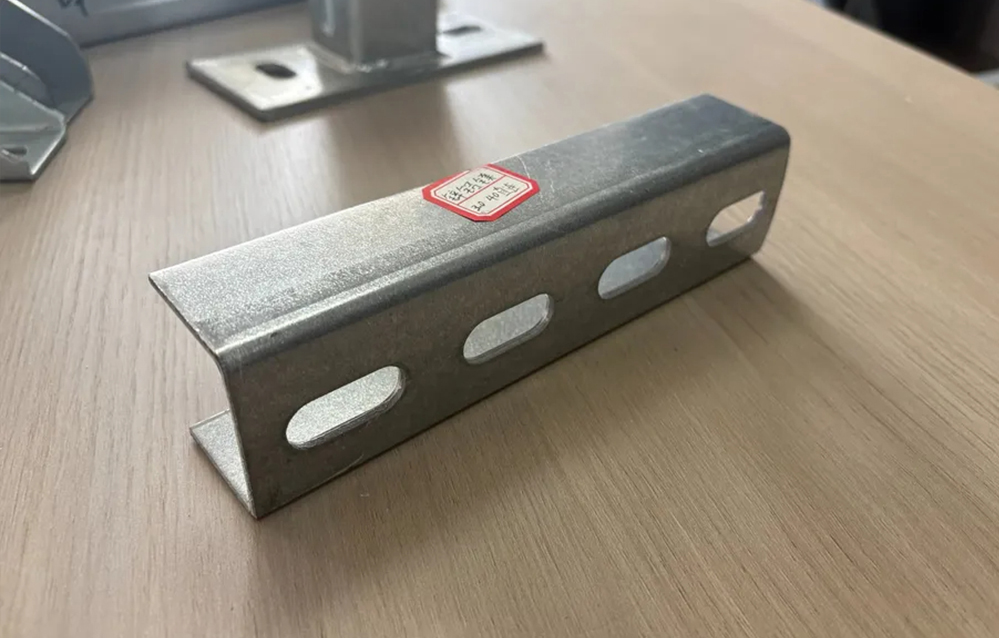
High Strength Heavy Duty Pre Galvanized Steel Solar Mounting Bracket for Ground Mount Systems
After-sales Service: 24-Hour Service