Oct.08,2026
Share
When considering the installation of a solar mounting system on a tile roof, understanding the structural load and rafter attachment requirements is crucial. With Huitai Photovoltaic, I can guide you through both beginner and advanced strategies to ensure that your solar panels are safely and effectively mounted, creating a sustainable energy solution tailored for your home. This article breaks down the essential steps, key considerations, and pitfalls to avoid, making it accessible for everyone from DIY enthusiasts to seasoned professionals.
Before embarking on any installation, it's vital to assess your roof's structural capacity. The first step involves evaluating the existing rafter systems and their load-bearing capabilities. Typically, tile roofs require additional reinforcement due to their weight and the added stress of solar panels.
Load Calculation: Calculate the total load your roof can handle, factoring in:
Consult Structural Reports: If available, review any existing structural reports for guidance on load ratings specific to your home.
With the structural load assessed, the next focus is the specifics of rafter attachment. It’s essential to use high-quality materials that comply with local building codes to ensure safety and longevity.
Attachment Points:
Fastening Techniques:
I recall a project where a homeowner installed a rooftop solar system on a heavy clay tile roof. Initially, they were hesitant due to concerns over structural integrity. By engaging Huitai Photovoltaic's comprehensive consultation, we conducted detailed analyses and implemented custom reinforcement solutions, ultimately increasing solar output efficiency by 30%.
Witnessing a direct impact on their electricity bills inspired the homeowner to promote renewable energy within their community, showcasing the visible benefits of thorough planning and execution.
To ensure accurate installation, I recommend utilizing the following tools:
Additionally, access detailed installation resources and manuals from Huitai Photovoltaic to familiarize yourself with industry-specific requirements.
During the installation process, you may face issues such as encountering hidden rafters or inadequate load capacity. To mitigate these challenges:
With careful preparation and adherence to guidelines, you can successfully install a tile roof solar mounting system while ensuring it meets structural load requirements. Regularly review compliance standards, engage trusted suppliers like Huitai Photovoltaic, and invest in professional help when necessary.
By considering the outlined steps and utilizing provided resources, you can navigate the complexities of solar panel installation, transforming your roof into a sustainable energy hub. Implementing these recommendations thoroughly is vital for long-term success; the efficiency of your system and safety of your home depend on it.
Remember, whether you are a novice or a seasoned installer, following these structured guidelines will lead to a successful solar energy implementation on your tile roof, enlightening your home and contributing to a cleaner environment.
More News
Hot Products

High Quality Metal Fabrication Clamps Solid Integral Stainless Steel Integrated Clamp A
Usage: Heavy Duty Clamp, Pipe Clamp, Glass Clamp

UV & Moisture Resistant Solar Panel Clamp with Custom Sizes
Customization: Available
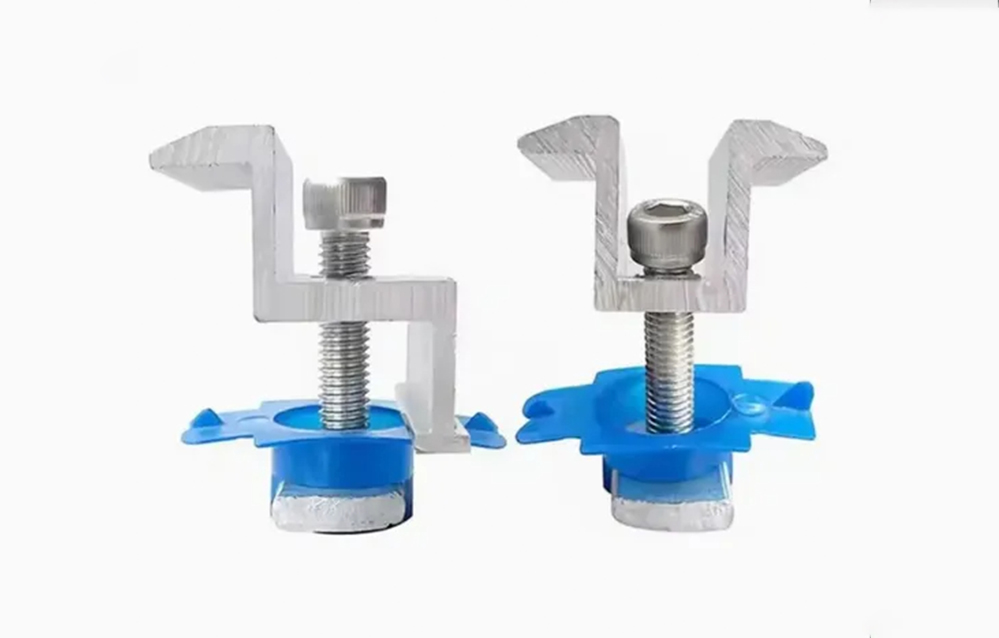
Reliable Solar Photovoltaic Medium Voltage Block with Aluminum Alloy
Material: Aluminum Alloy
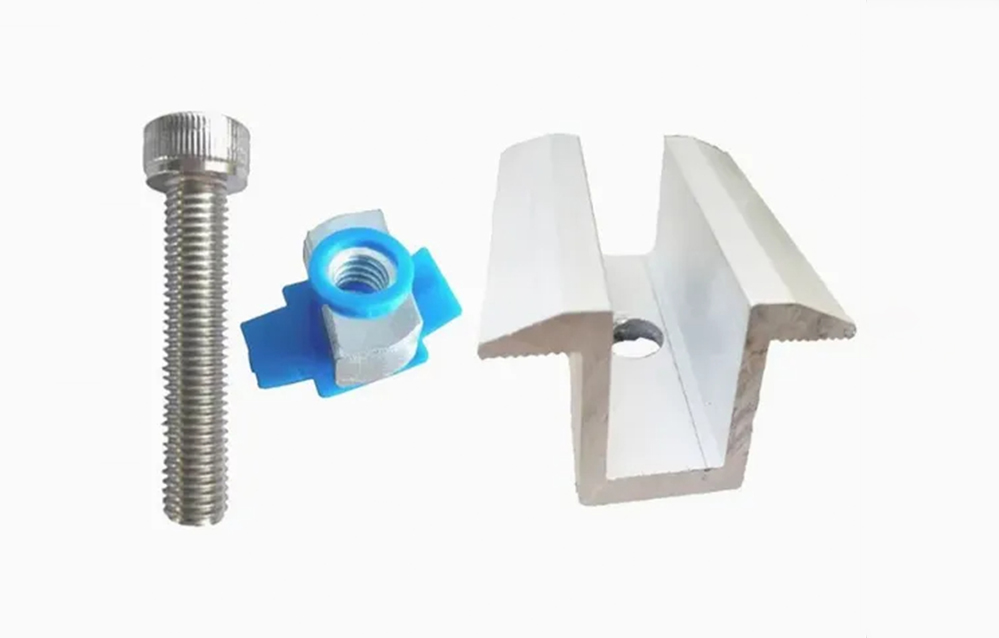
Solar Photovoltaic Panel Medium Voltage Block 50 Long
Material: Aluminum Alloy
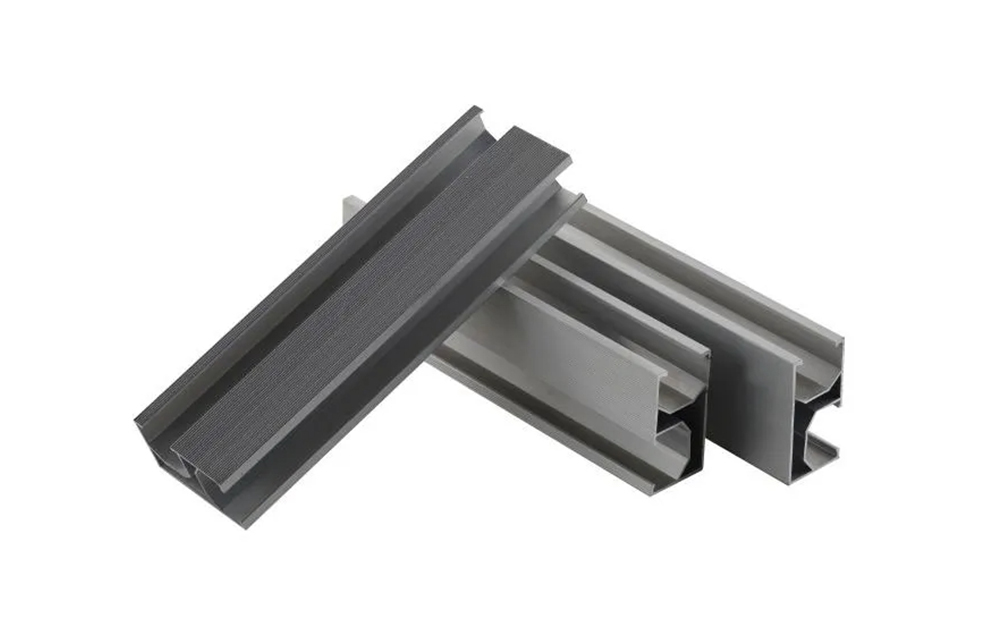
Premium Solar Panel Mounting Rail System for PV Installation
Customization: Available
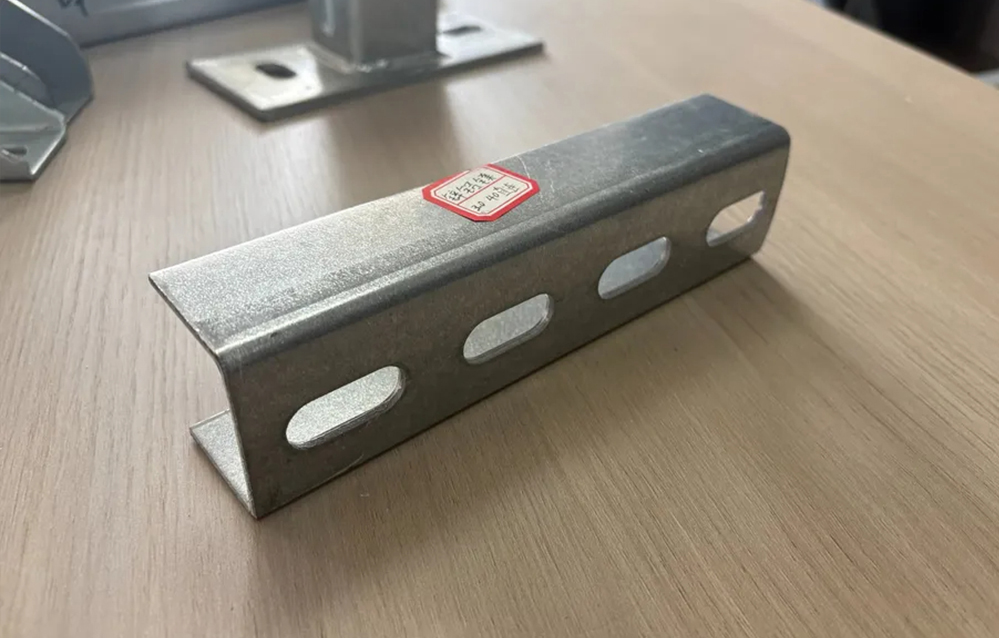
High Strength Heavy Duty Pre Galvanized Steel Solar Mounting Bracket for Ground Mount Systems
After-sales Service: 24-Hour Service