Sep.14,2026
Share
When installing Solar Panel Roof Mounts, effective waterproofing and flashing can be critical to preempting leaks and ensuring system longevity. As a Solar Mounting Supplier, understanding the nuances of waterproofing and flashing can prevent costly repairs down the line. Many homeowners worry about water damage, which can lead to mold growth and structural degradation. Implementing best practices in waterproofing and flashing not only safeguards your investment but also enhances your solar energy system's performance.
A well-executed waterproofing strategy can reduce the risk of leaks by up to 80%, according to the National Roofing Contractors Association. This reason makes it essential for property owners to adopt best practices during solar panel roof mount installations. Poor waterproofing can lead to water intrusion, compromising both the roof's integrity and the efficiency of the solar energy system.
Why: High-quality flashing materials can withstand varying weather conditions.
Operation Method: Use durable materials such as aluminum or stainless steel for flashing. Ensure that all seams are properly sealed and extended beyond the edges of the solar panel to redirect water away from vulnerable areas.
Best Fit: This technique is ideal for regions prone to heavy rainfall or snow, as it ensures that the flashing retains its integrity despite harsh weather.
Why: Correct installation minimizes the potential for error during the mounting process.
Operation Method: Follow a step-by-step guide for installing solar mounts, starting with a clean surface. Apply waterproofing membranes designed for roofing systems where mounts will be connected to the roof, ensuring a watertight seal.
Best Fit: These techniques are best suited for new installations or when retrofitting solar panels onto existing roofs.
Why: Sealants enhance waterproofing by providing an extra layer of defense against water ingress.
Operation Method: Apply high-quality, UV-resistant sealants at joining points and around the perimeters of installed solar mounts. Ensure the surfaces are clean and dry before application to maximize adhesion.
Best Fit: This practice is effective in both residential and commercial settings, especially where vibration or movement may compromise other attached materials.
Why: Regular checks can identify potential issues before they lead to extensive repairs.
Operation Method: Schedule bi-annual inspections of solar mounts, flashing, and sealant integrity. Look for signs of excessive wear or damage, and reapply sealants as needed.
Best Fit: This is essential for all solar panel setups, particularly in regions with drastic environmental fluctuations.
Why: Proper drainage prevents water accumulation, which can cause leaks and system failure.
Operation Method: Design roof slopes that facilitate water drainage and utilize gutters that guide water away from mounted areas. Ensure these systems remain clear of debris.
Best Fit: Homeowners in areas with flat roofs will find this practice especially beneficial to avoid standing water.
Effective waterproofing and flashing of solar panel roof mounts can significantly extend the life of your solar energy system and protect your property from water damage. By selecting appropriate materials, employing proper installation techniques, applying sealants, conducting routine inspections, and integrating drainage solutions, homeowners can avoid costly repairs. The adoption of these practices can lead to optimal performance, ensuring your investment in solar technology pays dividends over time.
The most recommended materials are aluminum and stainless steel due to their durability and resistance to corrosion.
It is advisable to conduct inspections at least twice a year or after severe weather events.
Yes, many manufacturers require proper installation practices to maintain warranty coverage, including effective waterproofing.
In conclusion, for homeowners and contractors alike, adhering to waterproofing and flashing best practices for solar panel roof mount installations is essential. By sourcing quality materials, following proper techniques, and maintaining systems diligently, property owners can ensure the performance and durability of their solar energy investments.
Hot Products
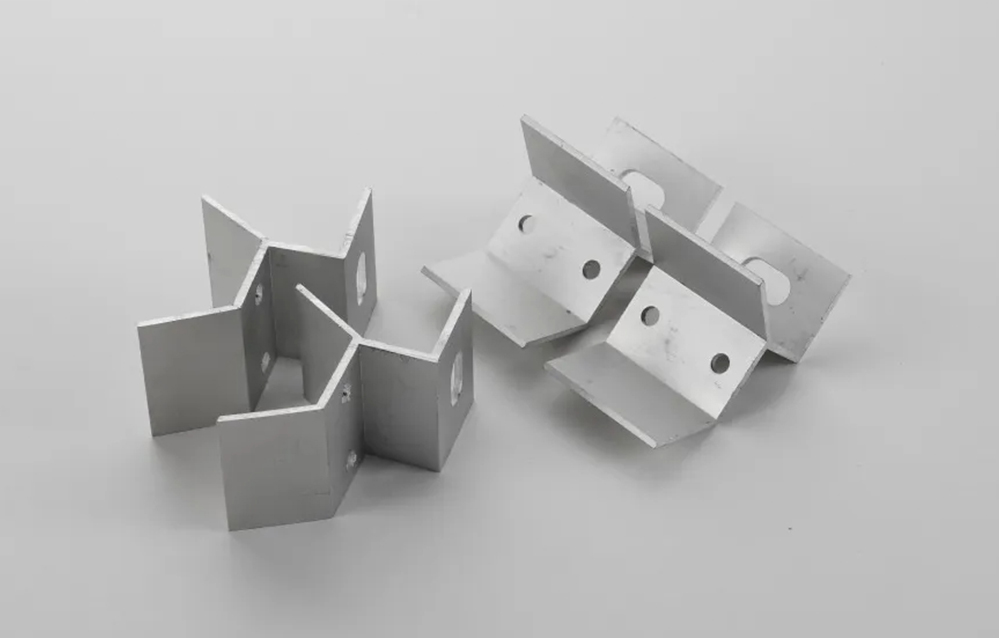
High Quality Metal Fabrication Clamps Solid Integral Stainless Steel Integrated Clamp A
Usage: Heavy Duty Clamp, Pipe Clamp, Glass Clamp
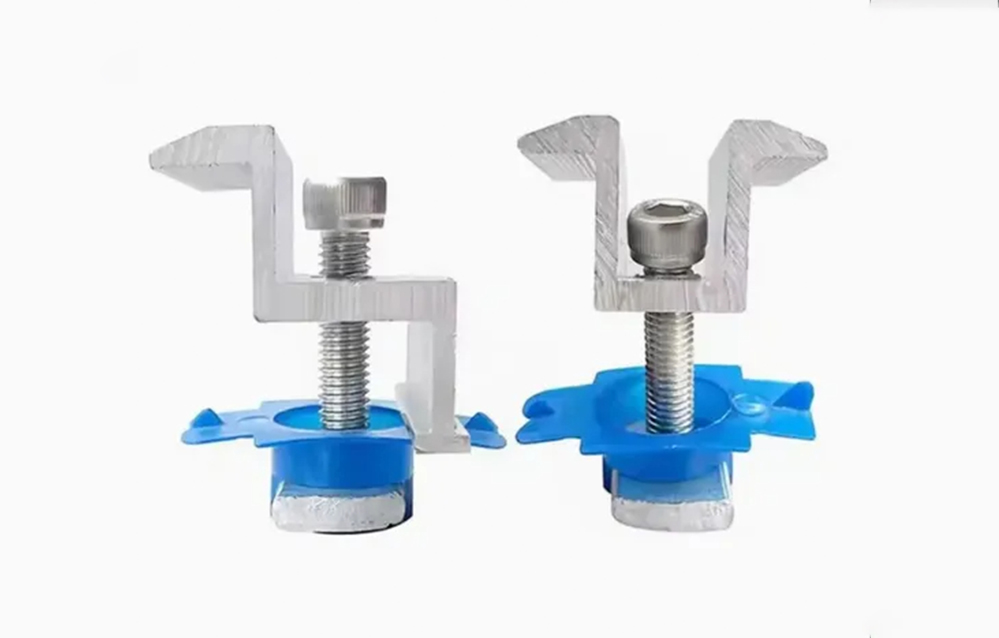
Reliable Solar Photovoltaic Medium Voltage Block with Aluminum Alloy
Material: Aluminum Alloy
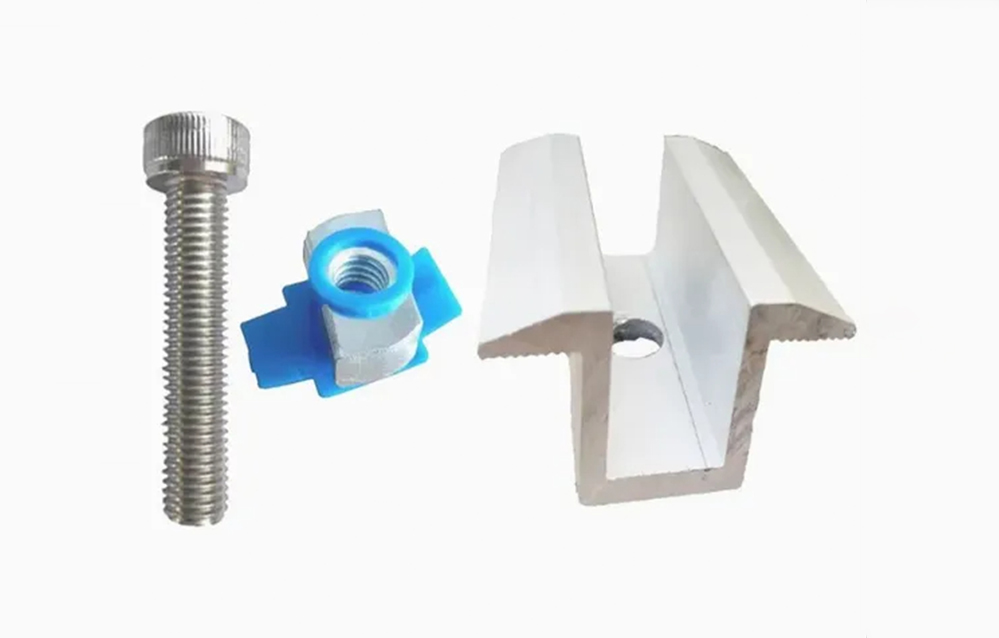
Solar Photovoltaic Panel Medium Voltage Block 50 Long
Material: Aluminum Alloy
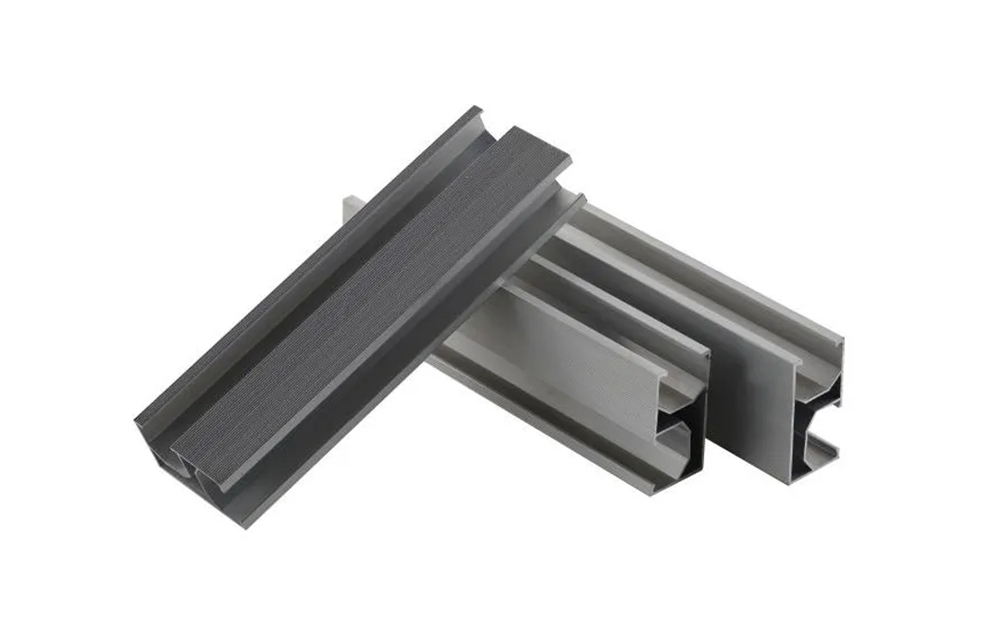
Premium Solar Panel Mounting Rail System for PV Installation
Customization: Available
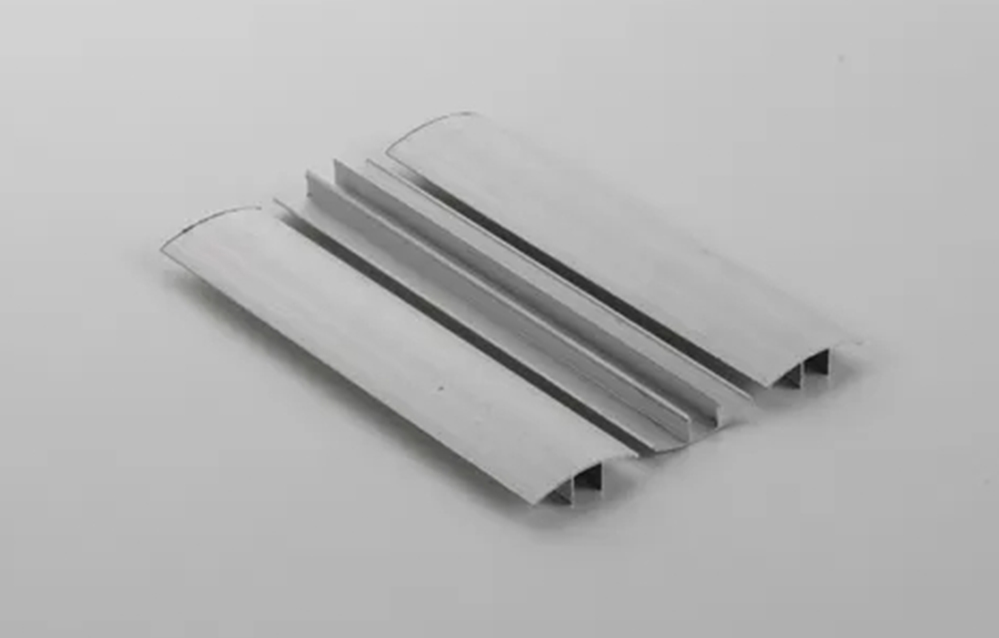
Easy-Install Protective Cover Durable Rust-Proof Solar Panel Rail Cover for Rooftop/Ground PV Rails
Customization: Available
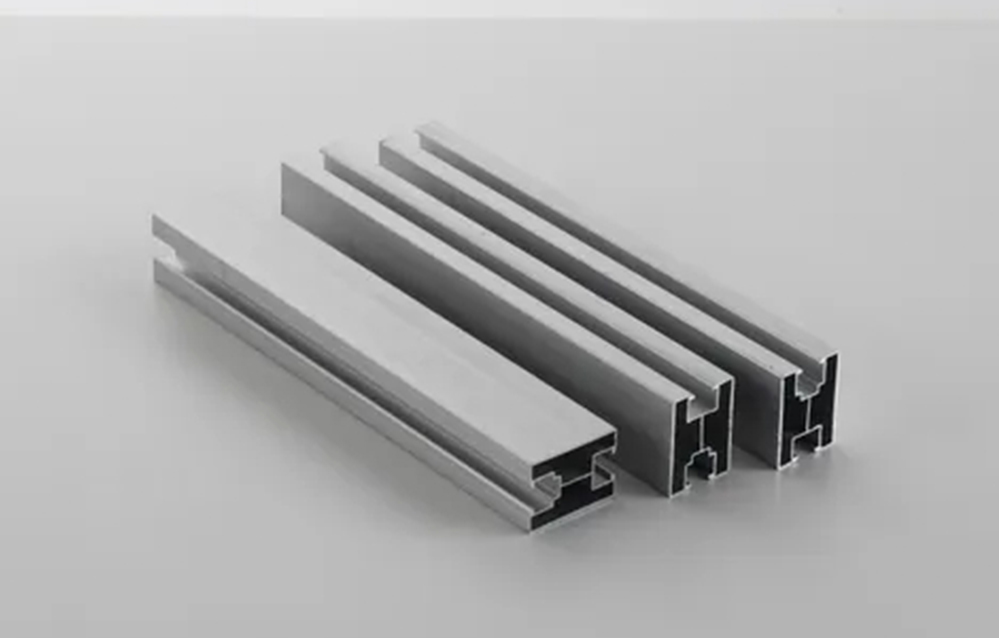
Custom Tailored Aluminum Solar Panels Rails for Rooftop/Ground PV Systems
Customization: Available