Sep.14,2026
Share
When considering solar panel installation, one critical aspect that often gets overlooked is the weight and structural load limits of Solar Panel Roof Mounts. For both beginners and those experienced in solar energy solutions, understanding how different roof types handle the weight of solar installations can be pivotal in ensuring longevity and safety. It’s essential to methodically evaluate each step of this process. From knowing your roof’s specifications to selecting the right mounting system, let's delve into actionable strategies that can guide you toward a solid solar installation.
To successfully navigate the complexities involved with solar panel roof mounts, I recommend beginning with a thorough inspection of your roof's structural capacity. This involves determining the structural load limits, which can generally be found in the building’s architectural plans or through direct consultation with a structural engineer. Roofs can vary significantly – asphalt shingles, tile, metal, and flat surfaces may each impose distinct challenges and limitations. For instance:
As you plan your installation, consider working with a reputable Solar Mounting Supplier, such as Huitai Photovoltaic, to ensure you receive quality materials that meet stringent industry standards. They can also provide support in understanding how their products comply with regulations governing load limits.
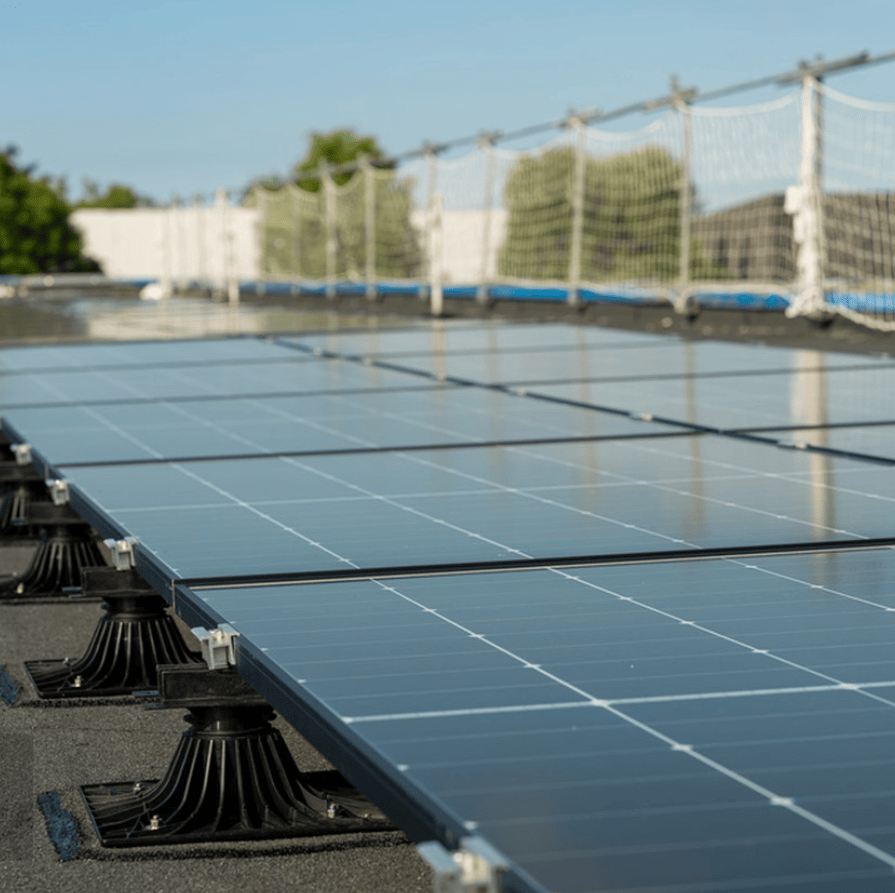
It's crucial to prioritize safety and compliance throughout this process. For example, if you're installing on a flat roof, specific mounting systems may require additional ballast to secure the panels against wind uplift forces. Moreover, it’s worth noting that state regulations may vary, so familiarize yourself with local codes to ensure adherence.
A practical resource to aid your installation is Huitai Photovoltaic's mounting guides, where specifications and user success stories highlight proper installation techniques and weight management strategies. For example, several installers have shared experiences where adhering to these guidelines resulted in successful, durable solar installations that withstood various weather conditions while respecting the structural capacity of their roofs.
While advancing through the installation, you may encounter challenges, such as structural weaknesses in older roofs or unexpected inspections. I recommend having a contingency plan, which may include:
In conclusion, the successful installation of solar panel roof mounts hinges on your diligence in assessing weight and structural load limits across different roof types. By measuring your roof's capacities, selecting a credible Solar Mounting Supplier like Huitai Photovoltaic, and considering potential challenges, you can ensure a secure and efficient solar energy solution. Remember, every step taken leads to a more assured and sustainable installation. Implement these strategies for a seamless transition to solar energy!
Hot Products
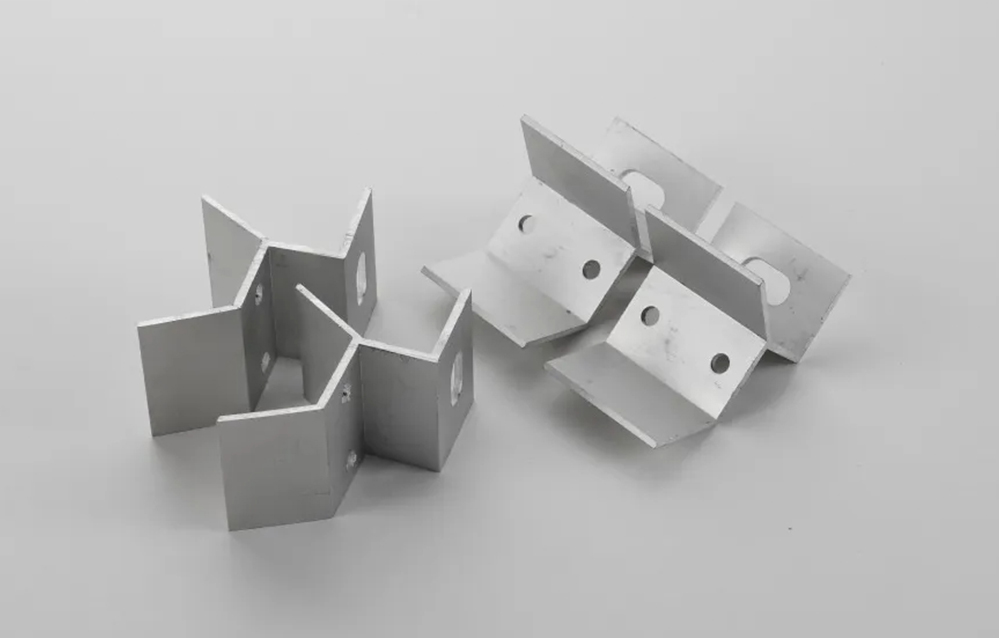
High Quality Metal Fabrication Clamps Solid Integral Stainless Steel Integrated Clamp A
Usage: Heavy Duty Clamp, Pipe Clamp, Glass Clamp
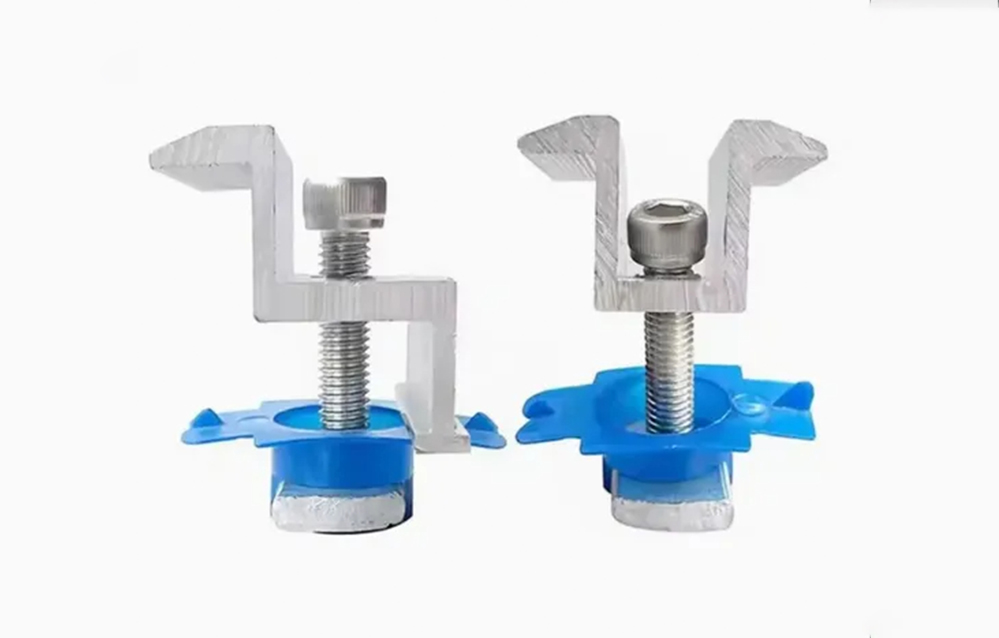
Reliable Solar Photovoltaic Medium Voltage Block with Aluminum Alloy
Material: Aluminum Alloy
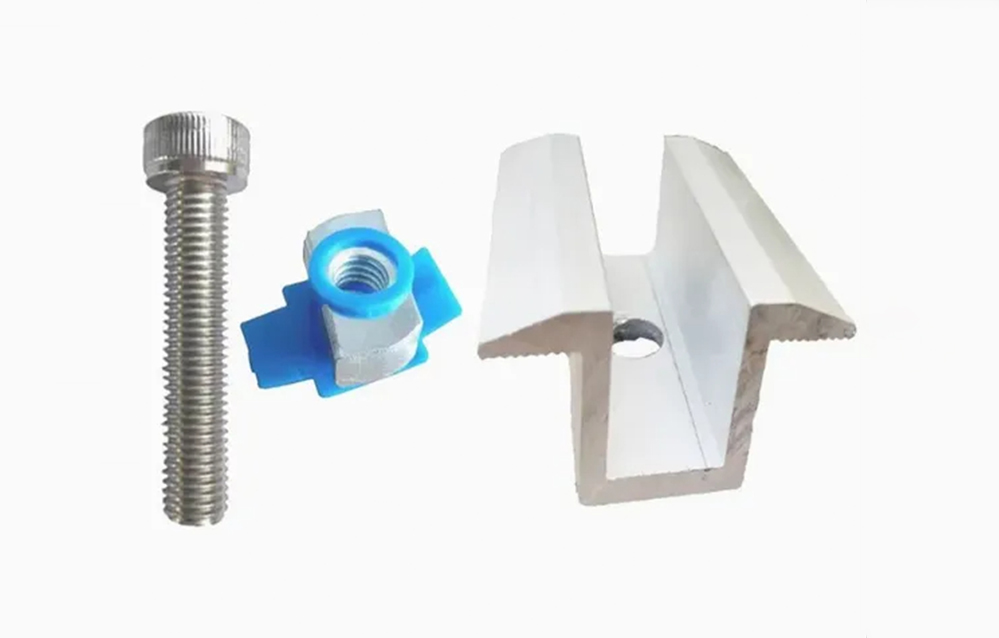
Solar Photovoltaic Panel Medium Voltage Block 50 Long
Material: Aluminum Alloy
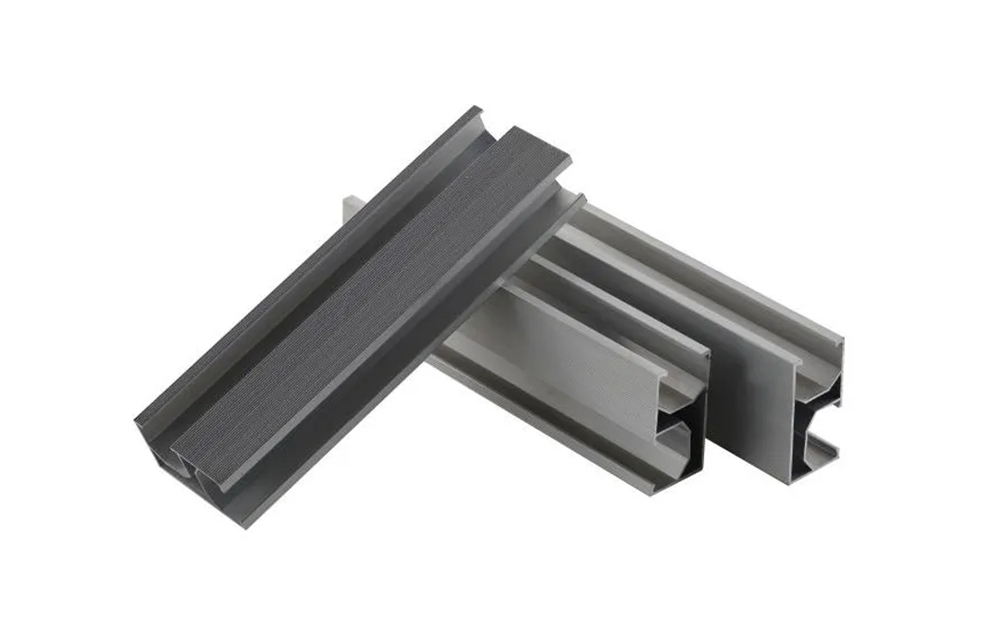
Premium Solar Panel Mounting Rail System for PV Installation
Customization: Available
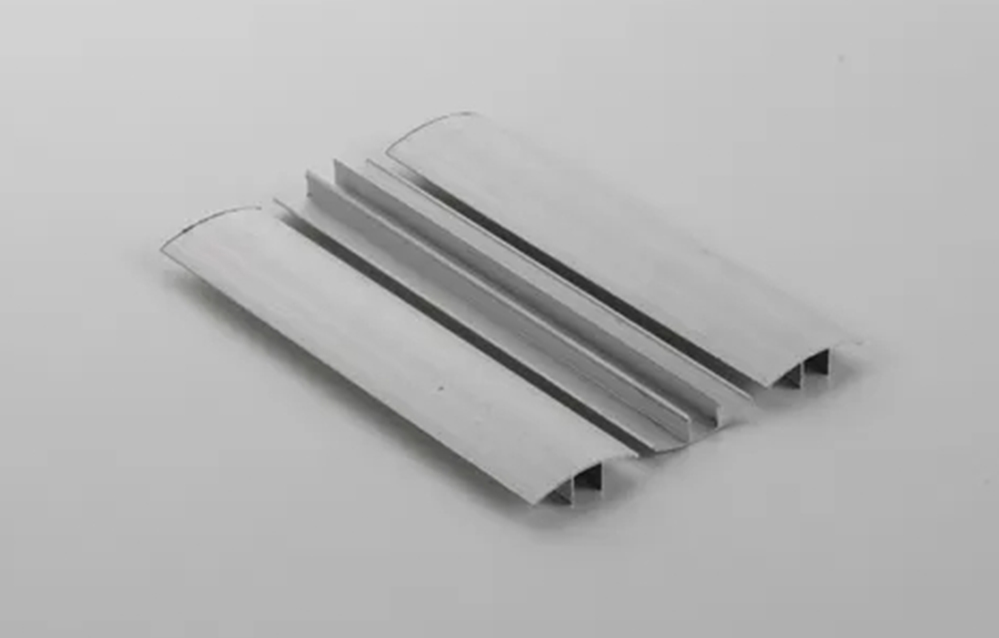
Easy-Install Protective Cover Durable Rust-Proof Solar Panel Rail Cover for Rooftop/Ground PV Rails
Customization: Available
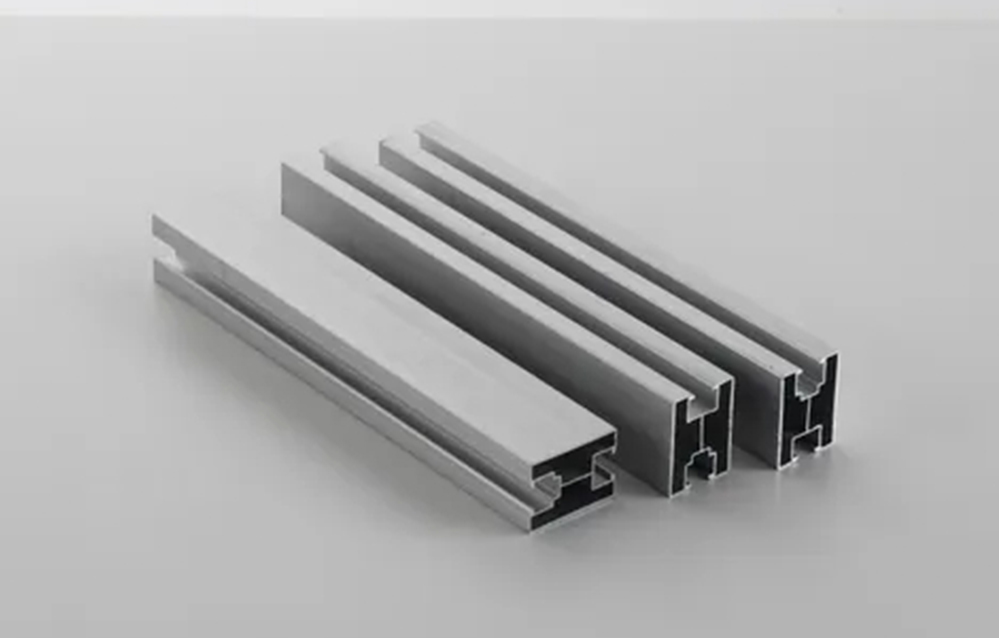
Custom Tailored Aluminum Solar Panels Rails for Rooftop/Ground PV Systems
Customization: Available