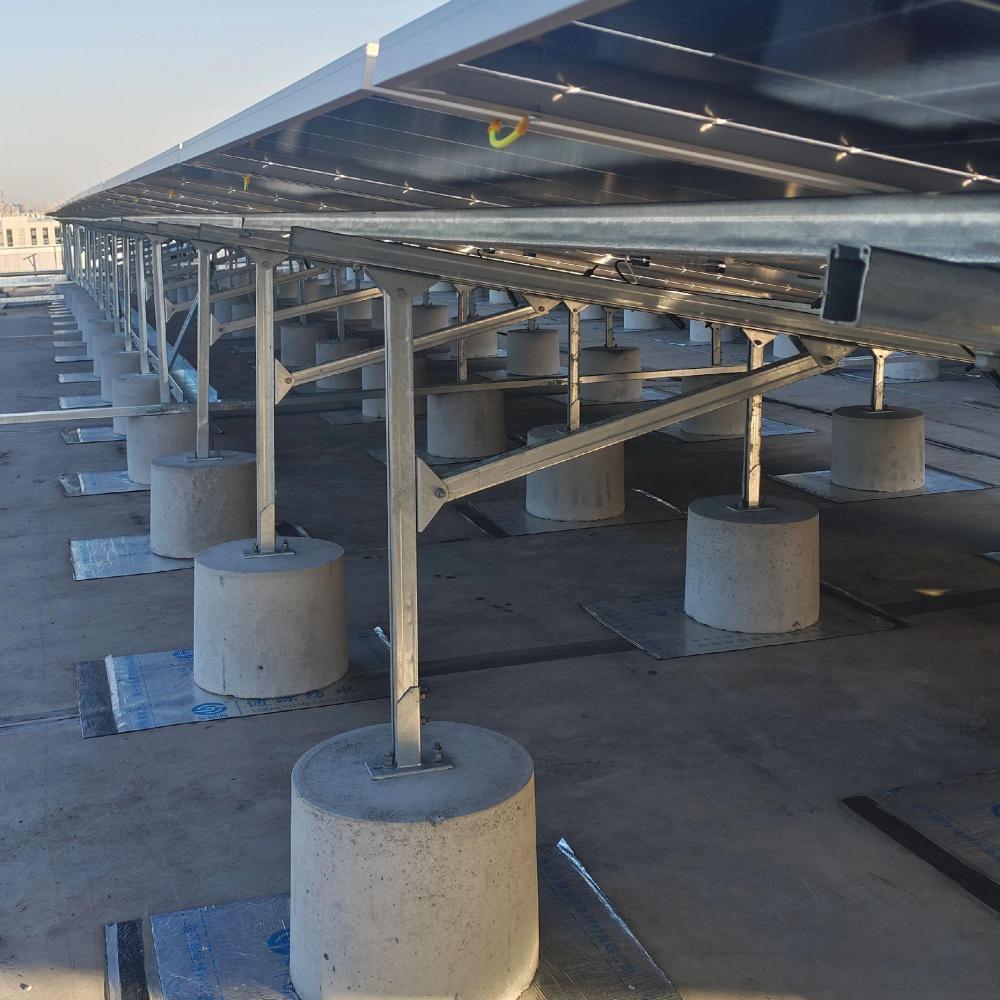
As the adoption of renewable energy sources continues to gain momentum, understanding the intricacies of installing solar mounting systems on metal roofs is crucial. Proper weight distribution and purlin spacing are critical factors to ensure the durability and efficiency of solar installations. This article delves into essential guidelines and actionable steps for installing metal roof solar mounting systems effectively.
Understanding Metal Roof Solar Mounting Systems
- Definition and Components
- Overview of metal roof materials and types (e.g., standing seam, corrugated).
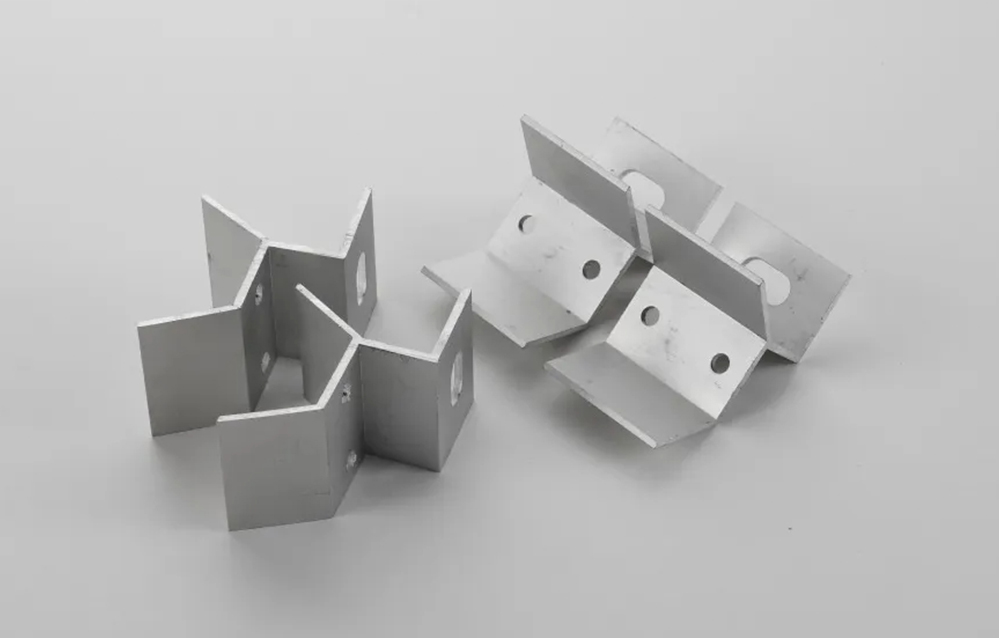
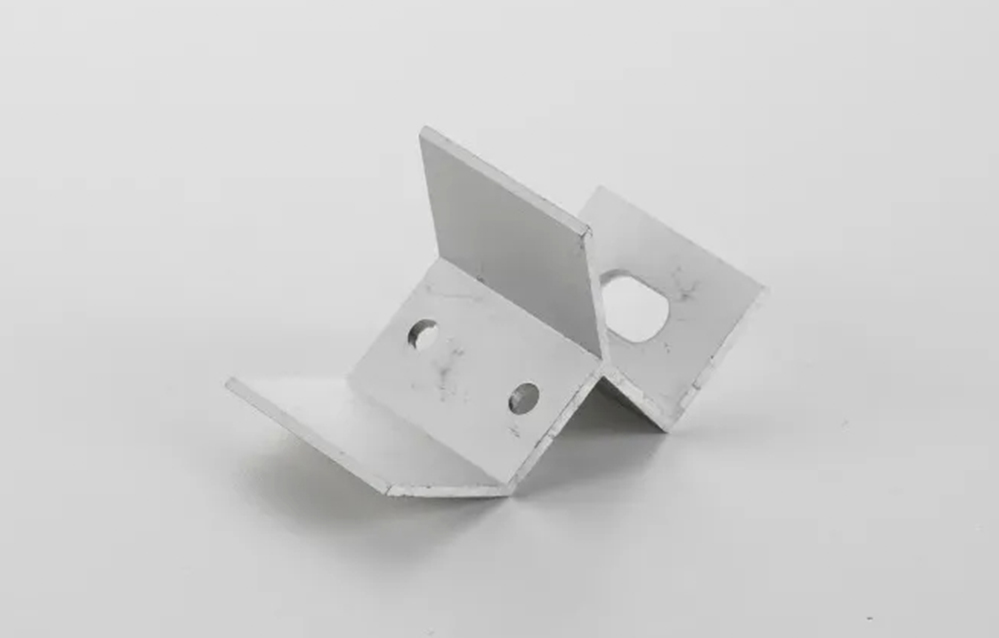
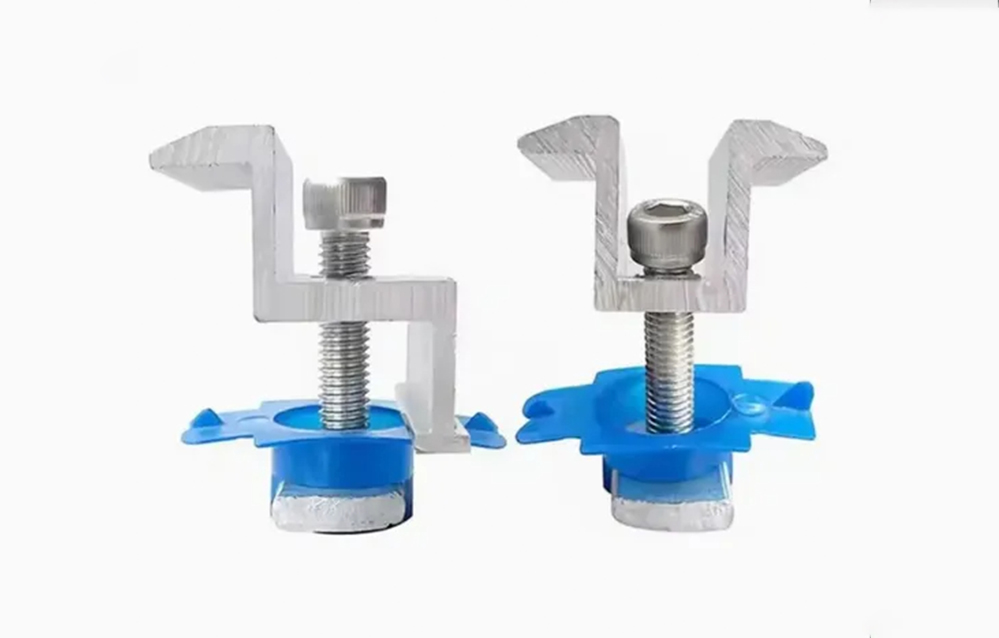
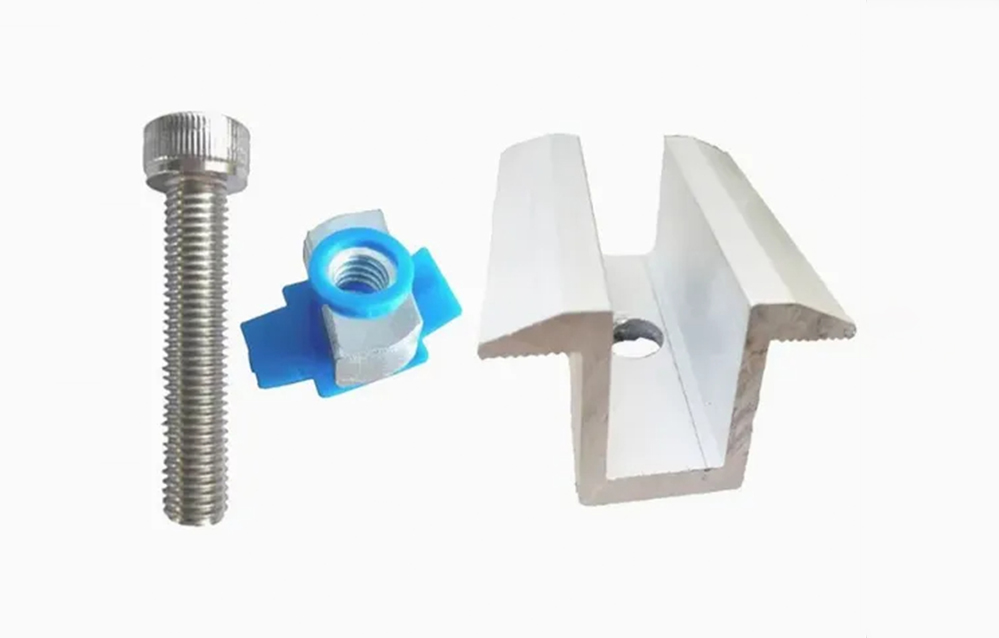
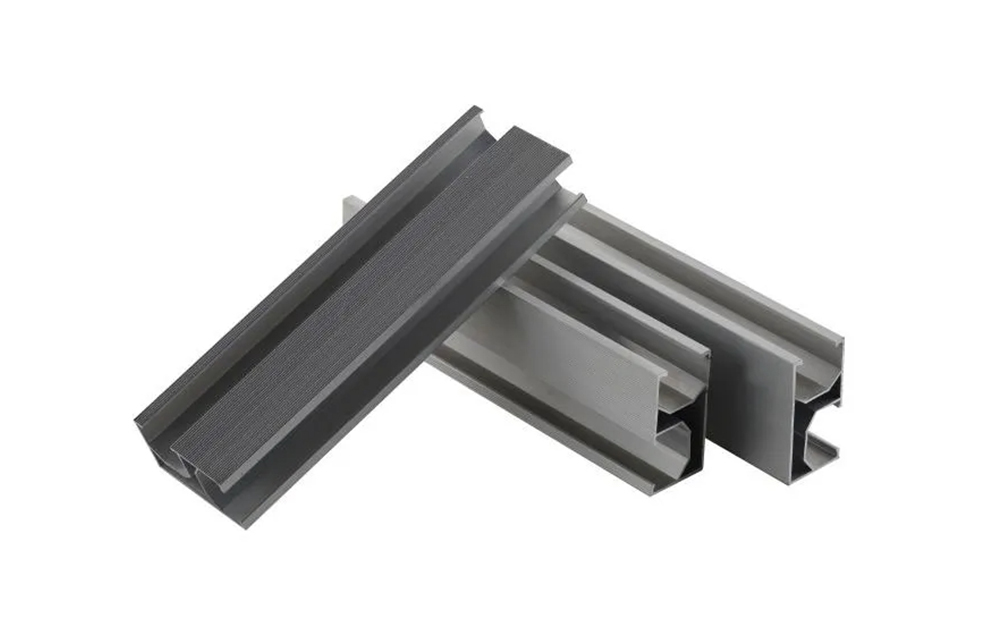
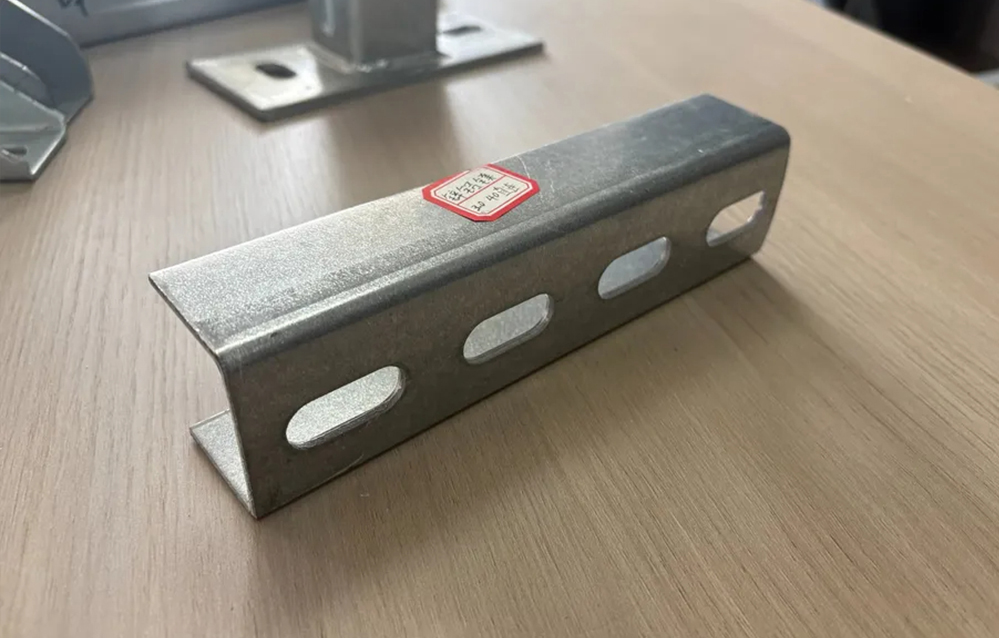
- Key components of solar mounting systems (rails, brackets, clamps).
- Importance of Proper Installation
- Impact on solar panel performance and longevity.
- Potential risks of improper installations.
Weight Distribution Considerations
- Understanding Load Ratings
- Review manufacturer specifications for load capacities for panels and mounting systems.
- Refer to resources like the Solar Energy Industries Association (SEIA) for guidelines.
- Calculating Weight Bearing on Metal Roofs
- Method of measuring roof load capacity.
- Factors affecting weight distribution (roof slope, structural integrity).
Purlin Spacing Guidelines
- Why Purlin Spacing Matters
- Role of purlins in supporting solar panels.
- How improper spacing can lead to roof damage or panel misalignment.
- Standard Purlin Spacing Ranges
- Discuss common purlin spacing intervals (e.g., 2 to 4 feet).
- Factors that might require adjustments in spacing.
Installation Steps for Metal Roof Solar Mounting Systems
- Initial Assessment
- Perform an inspection of the metal roof to determine its load capacity.
- Check for potential obstructions and appropriate access points.
- Calculating and Marking Purlin Locations
- Use a measuring tool to mark designated purlin locations based on calculated spacing.
- Ensure markings align with the mounting system specifications.
- Installation of Purlins
- Securely attach purlins ensuring they can carry the weight of the solar panels.
- Refer to local building codes for additional requirements.
- Mounting the Solar Panels
- Follow the manufacturer's guidelines for panel installation.
- Confirm secure placement and torque specifications for all components.
Maintenance and Safety Checks
- Regular Inspections
- Frequency of inspections post-installation (every 6 months or annually).
- Check for any signs of corrosion, loose fittings, or structural damage.
- Ensuring Safety During Inspections
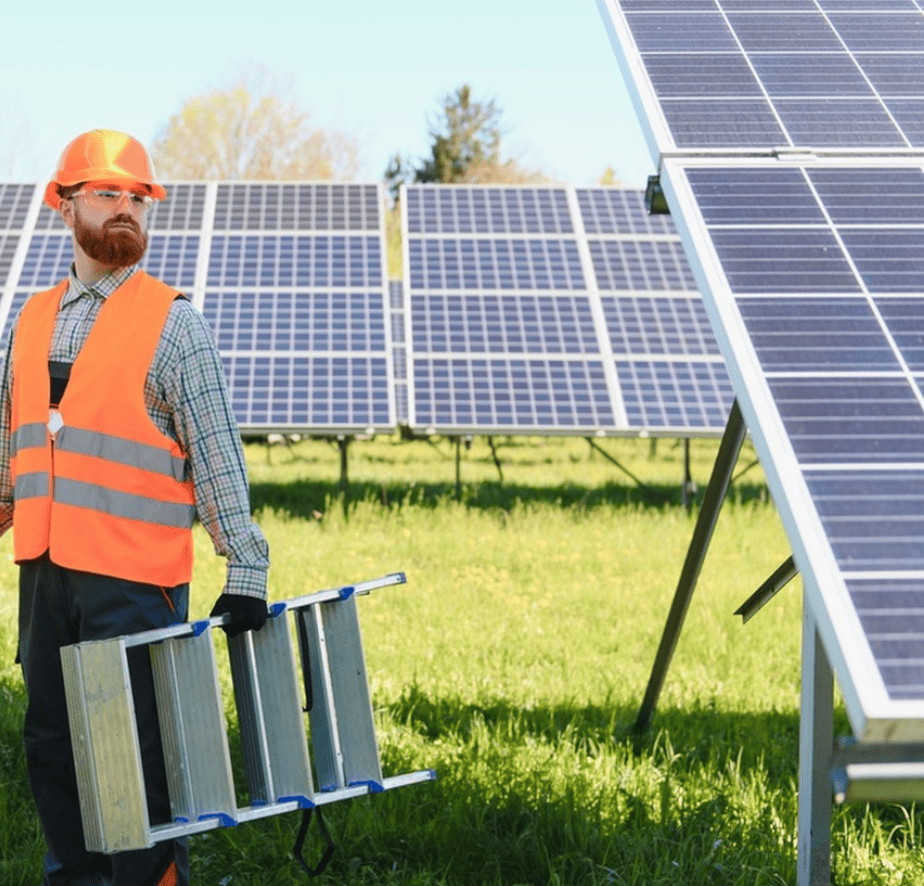
- Utilize appropriate safety gear (harnesses, helmets).
- Follow OSHA guidelines for working at heights.
Additional Tips for Successful Installations
- Consulting with Professionals
- When to hire a licensed contractor for complex installations.
- Benefits of professional assessments and adherence to building codes.
- Utilizing High-Quality Materials
- Purchasing from reputable suppliers for longevity and efficiency.
- Understanding material properties: corrosion resistance and structural integrity.
For more insights on photovoltaic installations, visit Huitai Photovoltaic.