Oct.19,2026
Share
Solar panels slipping on mounting rails is usually caused by insufficient clamp tightening, incompatible mounting hardware, thermal movement, excessive wind or snow loads, or incorrect installation. For solar installers, EPC contractors, and photovoltaic project buyers, identifying the cause early helps prevent module misalignment and potential structural damage. Huitai supplies photovoltaic mounting components, including solar panel clamps and aluminum solar mounting rails, which must be selected and installed according to module specifications, rail profiles, and project-specific structural requirements.
When a solar panel shifts along its mounting rail, the problem should not automatically be attributed to loose bolts. The complete mounting assembly—including clamps, rails, fasteners, brackets, and supporting structures—must be inspected to determine whether the cause is installation-related, material-related, or associated with environmental loading.
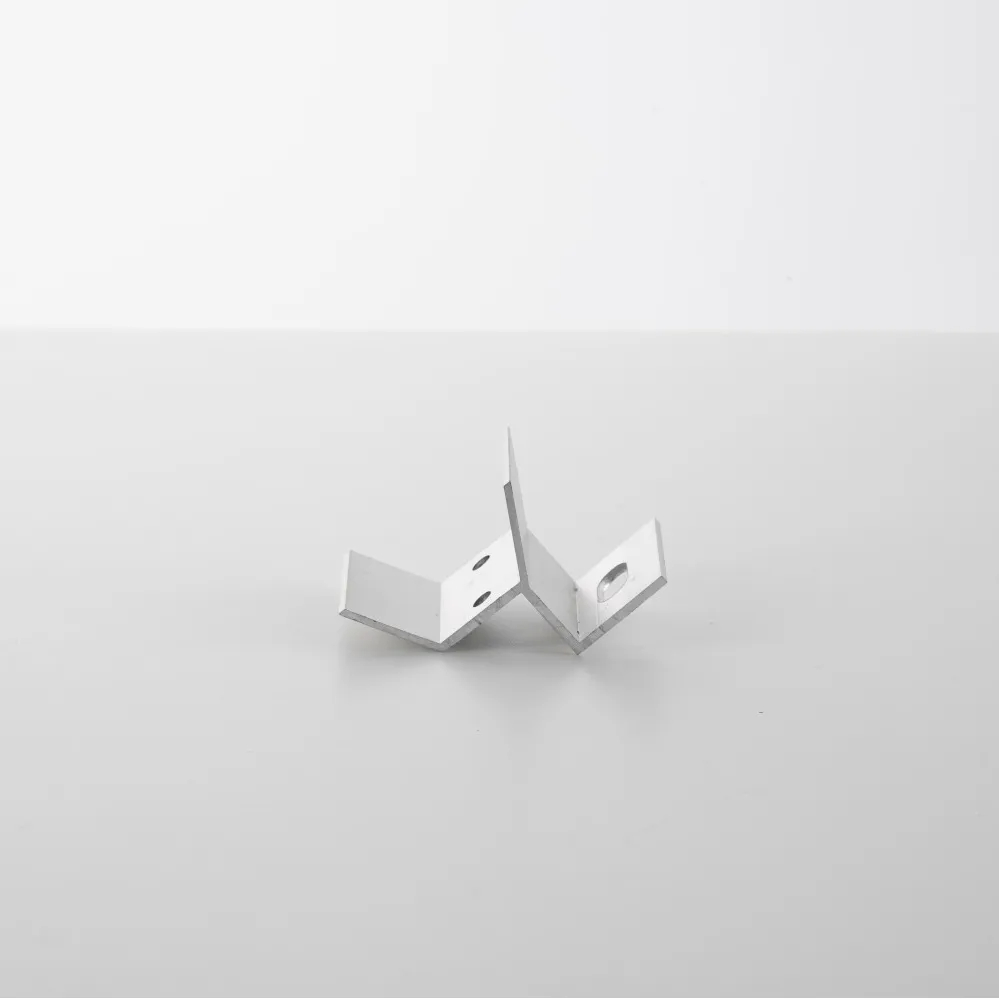
Incorrect clamp tightening is one of the most common installation-related causes of solar panel slippage. Mid clamps secure adjacent modules, while end clamps hold the outer edges of the array. Both must be compatible with the panel frame and mounting rail.
If installers fail to tighten the clamp bolts to the manufacturer's specified torque, the clamping force may be insufficient to resist the loads acting on the modules.
Insufficient tightening can allow panels to move under gravity, wind pressure, vibration, or other mechanical forces. However, overtightening is also dangerous because it can deform the module frame, damage components, or compromise the fastener connection.
To reduce these risks, installation teams should:
Use a calibrated torque wrench.
Follow the specified torque for the actual clamp and fastener assembly.
Verify that the clamp is correctly positioned on the module frame.
Inspect the fasteners and connections during scheduled maintenance.
Follow the mounting system manufacturer's requirements for locking mechanisms and retightening.
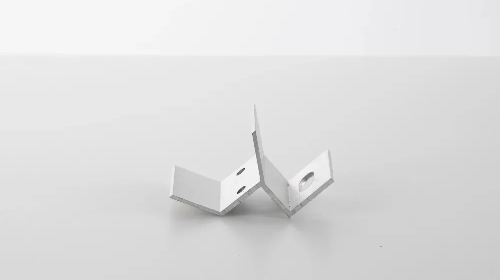
Huitai offers solar panel clamps for different photovoltaic mounting applications, including mid clamps, end clamps, and customized fixing components. When selecting clamps, buyers should confirm module frame thickness, rail profile compatibility, material requirements, and the appropriate fastening method.
Solar panels experience repeated wind loading and temperature changes throughout their service life. These conditions can contribute to fastener movement when the connection is improperly designed, installed, or maintained.
If a bolt loses preload, the clamp may no longer maintain the intended holding force. Repeated movement can then increase wear at the contact surfaces and make panel slippage more likely.
The appropriate prevention method depends on the fastener design. Installers should use only approved locking features and fastening components rather than adding unapproved washers or locking compounds.
Solar mounting systems are exposed to daily and seasonal temperature fluctuations. Aluminum rails expand when heated and contract when cooled, creating movement that must be accommodated by the mounting system design.
Aluminum has a relatively high coefficient of thermal expansion compared with many other structural materials. On long rail runs, temperature changes can produce meaningful dimensional movement.
If expansion joints, rail splices, and attachment points are not designed or installed correctly, thermal movement may place additional stress on connections and affect long-term system alignment.
However, thermal expansion alone does not necessarily cause a panel to slide. Slippage becomes more likely when thermal movement combines with insufficient clamping force, incompatible hardware, or repeated mechanical loading.
Project designers and installers should:
Follow the manufacturer's guidance for rail splice placement and expansion gaps.
Check rail lengths and attachment spacing against the approved design.
Avoid restricting intended movement at designated expansion points.
Inspect rail splices and fasteners for signs of deformation or loosening.
Confirm that the mounting system is suitable for the project's temperature range.
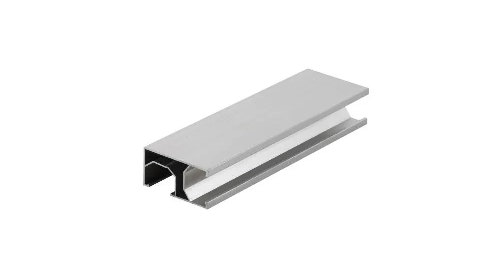
Huitai provides aluminum solar rails for rooftop and ground-mounted photovoltaic systems. Rail selection should consider the required profile, span, attachment spacing, roof type, environmental loads, and compatibility with the associated clamps and brackets.
Environmental loads can cause panel displacement when the mounting system is inadequately designed, incorrectly installed, or damaged.
Wind flowing over and beneath a solar module creates pressure differences that can generate uplift, downward forces, and dynamic loading. These forces are influenced by wind speed, building height, roof geometry, array position, and local wind conditions.
If the applied loads exceed the design capacity of the mounting assembly or the clamp connection, the panels may move or the hardware may fail.
Wind-related movement should be investigated by examining the complete load path, including module clamps, aluminum rails, rail splices, roof attachments, brackets, and the supporting roof structure.
For projects in exposed locations, buyers should request project-specific structural calculations and confirm the applicable wind-load design requirements.
In snowy regions, accumulated snow can create substantial loads on photovoltaic modules and their support structures. Snow sliding down an inclined panel may also introduce additional forces, depending on the surface conditions and installation geometry.
If the mounting assembly is not designed for the applicable snow loads and resulting forces, panels, clamps, or rails may become displaced or damaged.
The appropriate solution is not simply to tighten the clamps further. Designers must verify module loading limits, rail spans, attachment spacing, support strength, and the local design snow load.
Huitai supplies solar ground mounting systems and related mounting components for different photovoltaic project configurations. For rooftop and ground-mounted installations alike, the mounting structure must be selected according to the actual site conditions and engineering requirements.
Solar mounting systems rely on compatible components that work together as a complete assembly. Combining rails, clamps, and fasteners from different manufacturers without verifying compatibility can increase the risk of installation problems.
Different mounting rails may have different T-slot dimensions, wall thicknesses, cross-sectional profiles, and fastening interfaces. Clamps may also differ in their engagement geometry and supported module thickness.
As a result, a clamp that appears to fit a rail may not engage correctly or maintain the intended connection under load.
Tightening the bolt more aggressively does not resolve a fundamental compatibility problem and may damage the hardware.
Before purchasing components, confirm:
Rail profile and T-slot dimensions.
Clamp compatibility with the rail and module frame.
Fastener size, grade, and engagement requirements.
Material compatibility and corrosion protection.
Manufacturer-approved installation procedures.
Structural performance of the assembled system.
Huitai supplies solar panel mounting accessories, including aluminum rails, clamps, roof hooks, brackets, fasteners, and other photovoltaic mounting components. Sourcing matched components can simplify procurement and reduce the risk of incompatible connections, although the final assembly must still meet the project's engineering requirements.
Even when the correct components are used, incorrect installation geometry can reduce system stability.
Solar module manufacturers specify permitted clamping zones according to the frame design and structural testing. These zones are not identical for every module.
If clamps are installed outside the approved areas, the frame may experience excessive local stress or deformation. This can compromise the connection and potentially damage the module.
Installers should check the module manufacturer's installation manual before determining clamp positions. A generic rule about clamping within a particular percentage of panel length should not replace the actual manufacturer's requirements.
Rail overhang refers to the unsupported portion of a mounting rail extending beyond its last support or attachment point.
If the overhang exceeds the permitted design limits, wind loading may produce increased bending and deflection. This can affect module alignment and place additional stress on clamps, rail connections, and mounting attachments.
The acceptable overhang depends on the rail profile, material, module arrangement, support spacing, and design loads. It should therefore be verified using the mounting system manufacturer's instructions or an appropriate structural calculation.
For customized photovoltaic installations, Huitai's solar panel mounting brackets can be considered as part of a suitable support arrangement. Bracket selection and positioning must be based on the approved structural design rather than appearance alone.
A systematic inspection helps determine whether the problem originates from the clamps, rails, fasteners, or overall structural design.
| Inspection item | What to check | Possible indication |
|---|---|---|
| Clamp bolts | Looseness, damage, or incorrect installation torque | Insufficient clamping force |
| Module frame | Deformation, scratches, or contact damage | Incorrect clamp position or excessive loading |
| Rail profile | Bent sections, damaged slots, or dimensional mismatch | Rail overload or incompatible hardware |
| Rail splices | Loose connections or signs of movement | Inadequate connection or thermal movement issues |
| Roof attachments | Loose fasteners, corrosion, or substrate damage | Failure elsewhere in the load path |
| Array alignment | Repeated movement or uneven panel spacing | Possible systematic installation or loading problem |
| Environmental conditions | Evidence of strong wind or heavy snow loading | Potential overload or inadequate structural design |
If panels have shifted significantly, clamps are visibly damaged, or the mounting structure appears unstable, the affected area should be treated as a safety concern. Restrict access where necessary and arrange an inspection by a qualified solar mounting professional. Do not attempt to correct suspected structural failures by simply tightening bolts while the system remains under load.
Prevention starts before installation and continues throughout the system's service life.
Before procurement: Confirm panel frame dimensions, rail profiles, clamp specifications, fastener materials, wind and snow loads, and project-specific structural requirements.
During installation: Follow the approved drawings, position clamps within the permitted zones, use the specified torque, and verify rail support spacing and overhang.
During commissioning: Inspect panel alignment, fastener installation, rail connections, and mounting attachments. Document any deviations before the system is placed into service.
During maintenance: Look for movement, corrosion, deformation, loose connections, and other signs of deterioration. Inspection frequency should reflect the installation environment, manufacturer's recommendations, and applicable maintenance requirements.
For distributors, EPC contractors, and solar mounting project buyers, a coordinated supply of compatible rails, clamps, brackets, and fasteners can also make installation planning more consistent.
Solar panels slipping on mounting rails can result from insufficient clamp torque, thermal movement, excessive environmental loads, incompatible hardware, incorrect clamp positioning, or excessive rail overhang. The correct solution depends on identifying the underlying cause and checking the entire mounting assembly against the manufacturer's specifications and project-specific structural design.
Huitai supplies photovoltaic mounting systems and accessories, including aluminum solar rails, panel clamps, mounting brackets, and ground mounting solutions for different project requirements. To discuss your solar mounting project, component compatibility, customized specifications, or bulk purchasing needs, contact Huitai at yangjieguo@wgd-tech.com for product information and a quotation.
More News
Hot Products

High Quality Metal Fabrication Clamps Solid Integral Stainless Steel Integrated Clamp A
Usage: Heavy Duty Clamp, Pipe Clamp, Glass Clamp
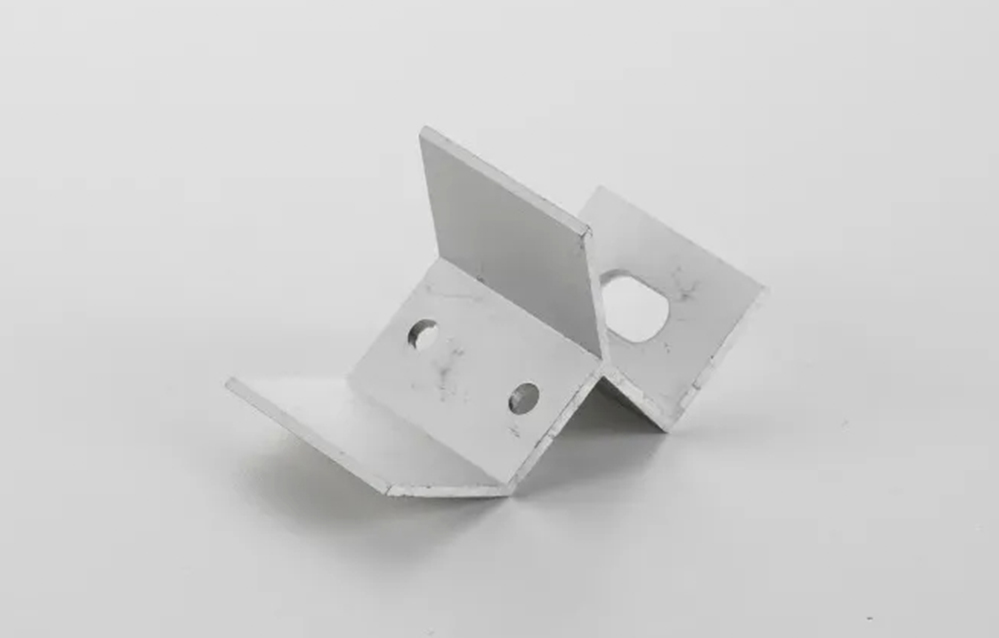
UV & Moisture Resistant Solar Panel Clamp with Custom Sizes
Customization: Available
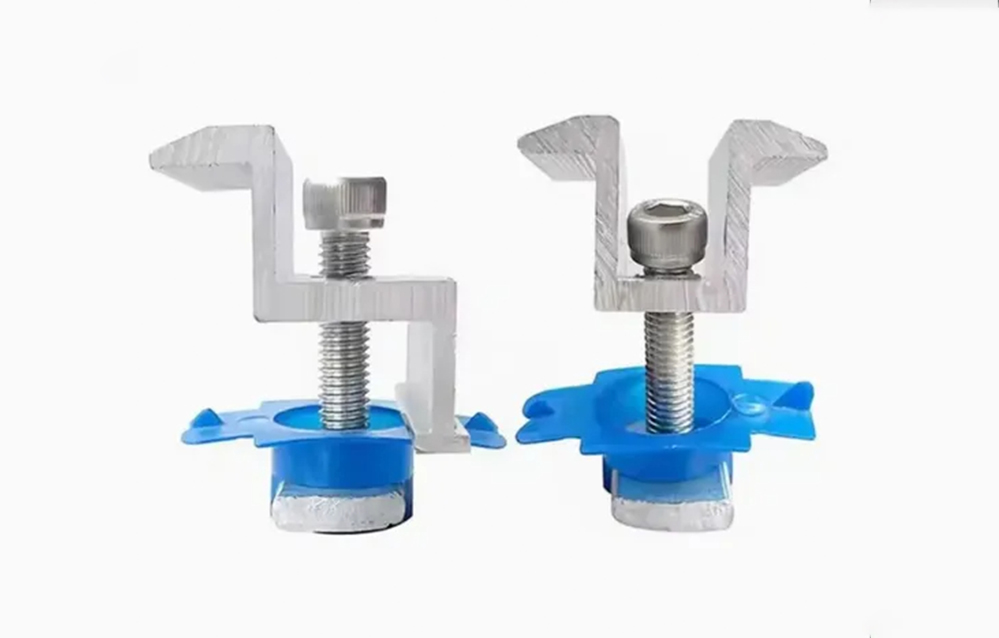
Reliable Solar Photovoltaic Medium Voltage Block with Aluminum Alloy
Material: Aluminum Alloy
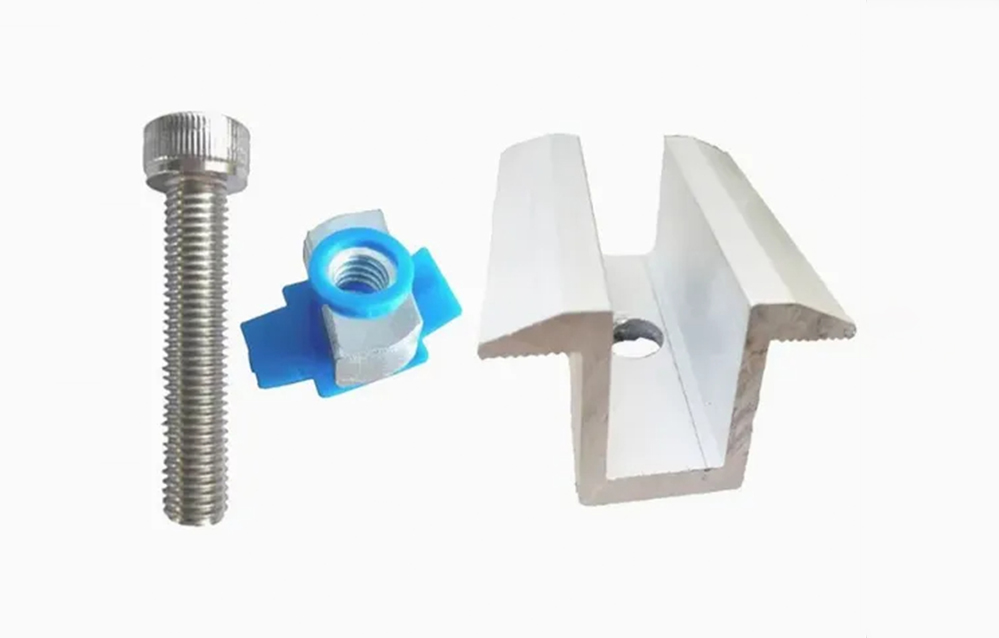
Solar Photovoltaic Panel Medium Voltage Block 50 Long
Material: Aluminum Alloy
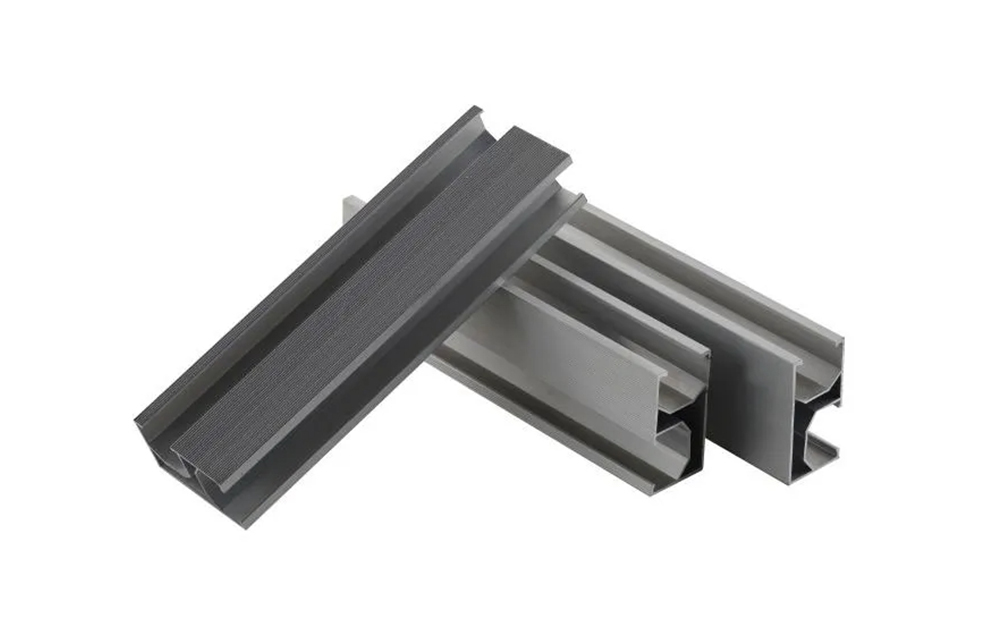
Premium Solar Panel Mounting Rail System for PV Installation
Customization: Available
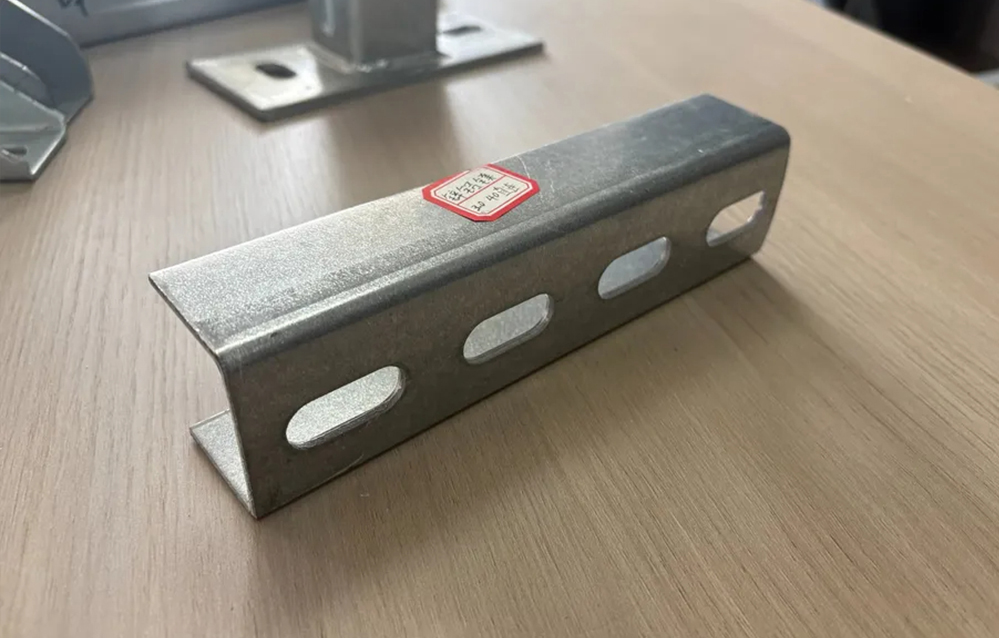
High Strength Heavy Duty Pre Galvanized Steel Solar Mounting Bracket for Ground Mount Systems
After-sales Service: 24-Hour Service