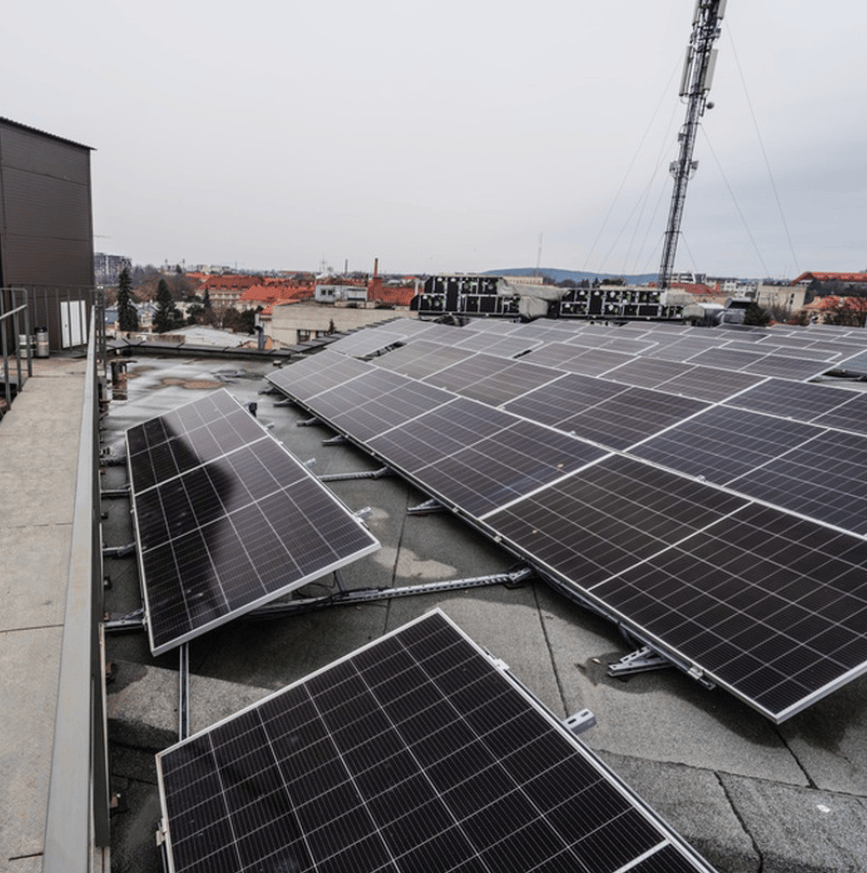
When considering the installation of a flat roof solar mounting system, understanding the dynamics of wind uplift and the necessary ballast requirements is crucial. Proper calculations ensure the safety and longevity of the solar panel setup, making it resilient against harsh weather conditions. This article delves into the key components of wind uplift calculations, ballast requirements, and practical steps for implementing effective solutions when installing solar systems on flat roofs.
Understanding Wind Uplift and Its Importance
-
Definition of Wind Uplift
- Wind uplift refers to the upward force exerted by wind on structures, including solar panels installed on flat roofs.
- This force can compromise the integrity of the mounting systems if not calculated and managed correctly.
-
Consequences of Underestimating Wind Uplift
- Potential panel dislodgment during high winds, leading to costly repairs and safety hazards.
- Damage to roofing materials and the underlying structure, which could lead to leaks and further deterioration.
Wind Uplift Calculations
-
Factors Influencing Wind Uplift
- Roof Location: Consider geographic wind speeds based on local building codes.
- Building Height and Shape: Taller buildings experience different wind forces.
- Solar Panel Orientation and Installation Angle: Affects exposure to wind.
-
Calculation Methods
- Utilize ASCE 7 guidelines for standard wind pressures based on roof zone classifications.
- Employ software tools or calculators specifically designed for wind load analysis.
Ballast Requirements for Flat Roof Solar Systems
-
What is Ballast?
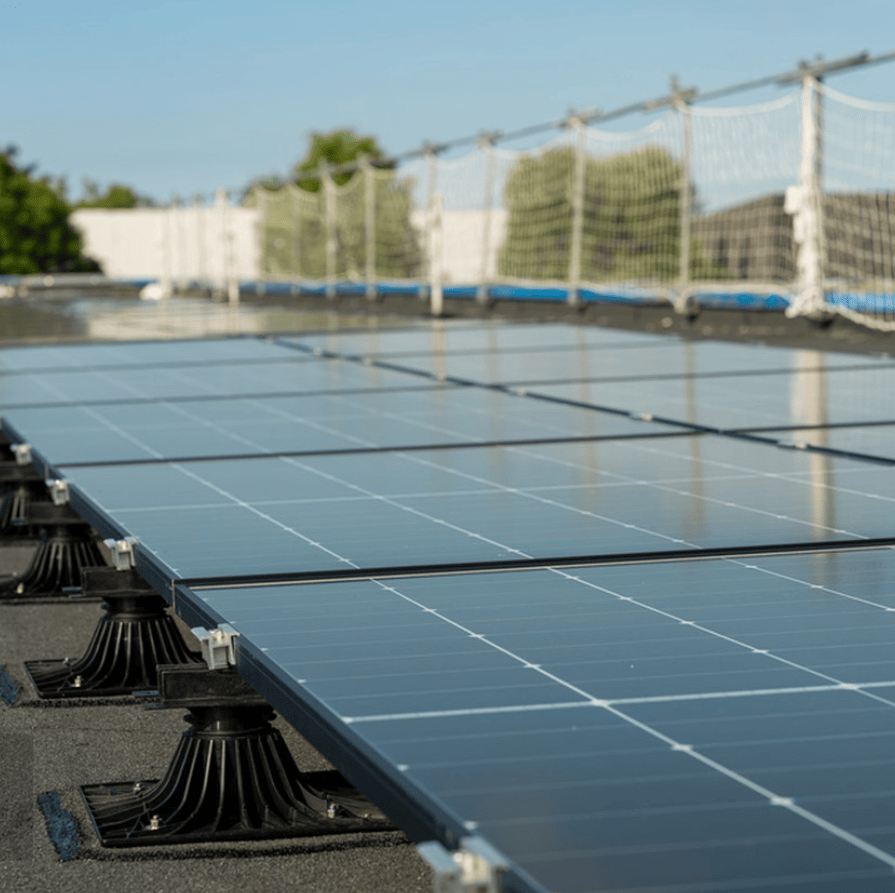
- Ballast refers to the weight used to secure solar panels against wind uplift.
- Common materials include concrete blocks, pavers, or specialized ballast systems.
-
Determining Ballast Needs
- Calculate the necessary ballast weight based on wind uplift results from earlier calculations.
- Ensure even distribution across the solar panel layout to prevent tipping or sliding.
Steps to Proper Installation of a Flat Roof Solar Mounting System
-
Site Assessment
- Conduct a detailed analysis of the roof's structural integrity and load capacity.
- Evaluate existing coverings for compatibility with ballast systems.
-
Perform Wind Uplift Calculations
- Use local weather data to determine design wind speeds.
- Apply appropriate calculation methods for accurate uplift pressure values.
-
Design for Ballast System
- Create plans for the distribution of ballast based on calculated needs.
- Ensure that the selected ballast method is practical and aligns with local building codes.
-
Installation of Mounting Hardware
- Secure mounts to the roof in accordance with manufacturer guidelines to mitigate uplift.
- Install solar panels uniformly, allowing for airflow and maintenance access.
Common Mistakes to Avoid
-
Ignoring Local Codes and Standards
- Always ensure compliance with local building regulations and codes.
-
Improper Ballast Weight Distribution
- Avoid the risk of uneven wind pressure leading to panel instability by spreading weight uniformly.
Conclusion
Proper wind uplift calculations and understanding the necessary ballast requirements are critical for a successful flat roof solar mounting system installation. By carefully considering local factors and adhering to guidelines, you can ensure the longevity and effectiveness of your solar power setup. For reliable solutions and products, consider Huitai Photovoltaic, where innovative photovoltaic solutions can meet your energy needs.