Solar Panel Mounting System Solution
Share
Features
It adopts multi-type adaptable design, compatible with roof, ground and special scenarios, with fast installation, strong durability and excellent waterproof performance, and complies with international safety standards such as UL 2703 and UL 467.
It supports both rail-based and rail-less installation modes, with 33% faster installation speed than traditional systems, fewer roof penetrations, and low-profile aesthetic design without exposed rails or clamps.
Made of high-quality aluminum, hot-dip galvanized steel or stainless steel, it can resist extreme weather such as strong wind (≥15 level) and heavy snow (≥0.5kN/㎡), and has a service life of 25+ years matching solar panels.
It can be flexibly equipped with fixed tilt or tracking (single-axis/dual-axis) structures, and the tilt angle can be optimized according to the local latitude to maximize solar energy absorption and improve power generation efficiency by 10%-30%.
It integrates professional grounding and waterproof components, with simple one-tool installation, light and small components, and convenient later inspection and maintenance.
Core
Providing stable and safe structural support for solar panels, optimizing solar energy collection efficiency, adapting to diverse installation scenarios, ensuring long-term operation reliability, and reducing installation and later maintenance costs.
Adopting environment-adaptive material selection and structural design, realizing perfect matching with different types of solar panels, and complying with global relevant safety and industry standards to ensure project safety and performance stability.
Balancing cost and efficiency, providing customized solutions according to project scale and scene needs, while ensuring easy installation, low maintenance and strong durability to maximize customer investment returns.
Application scenarios
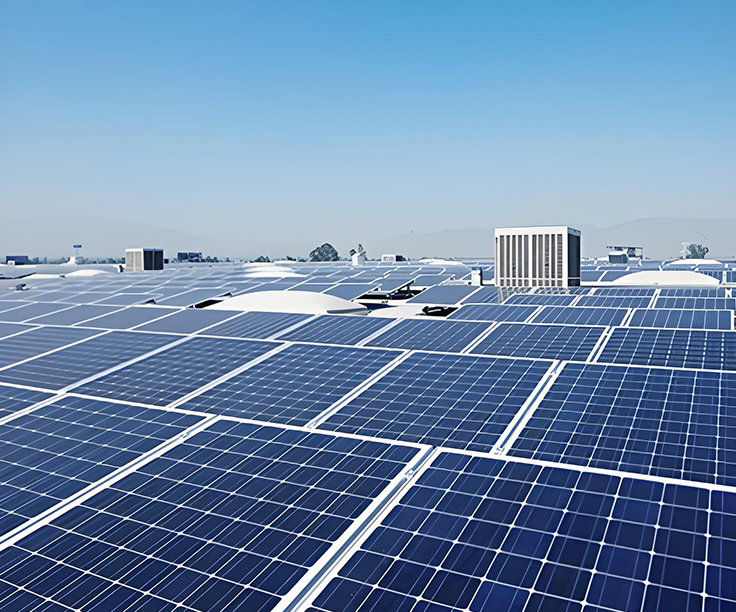
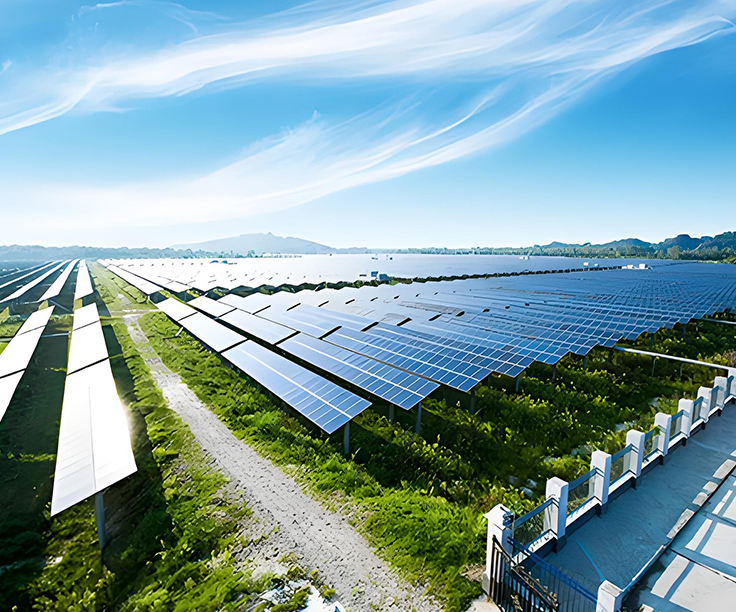
Residential and commercial building rooftops (pitched roof, flat roof, metal roof), ground solar power stations (deserts, gobi, wastelands), BIPV buildings (curtain walls, roof integration), fishery-solar and agriculture-solar complementary projects.
Remote areas (villages, islands), communication base stations, outdoor monitoring equipment, street lamps, emergency power supply sites, industrial factory buildings, and small and medium-sized distributed photovoltaic projects.
Coastal high-salt and high-humidity areas, northern cold and snowy areas, and other harsh environment photovoltaic installations, as well as utility-scale solar farms and residential distributed photovoltaic systems.
Latest Solution